


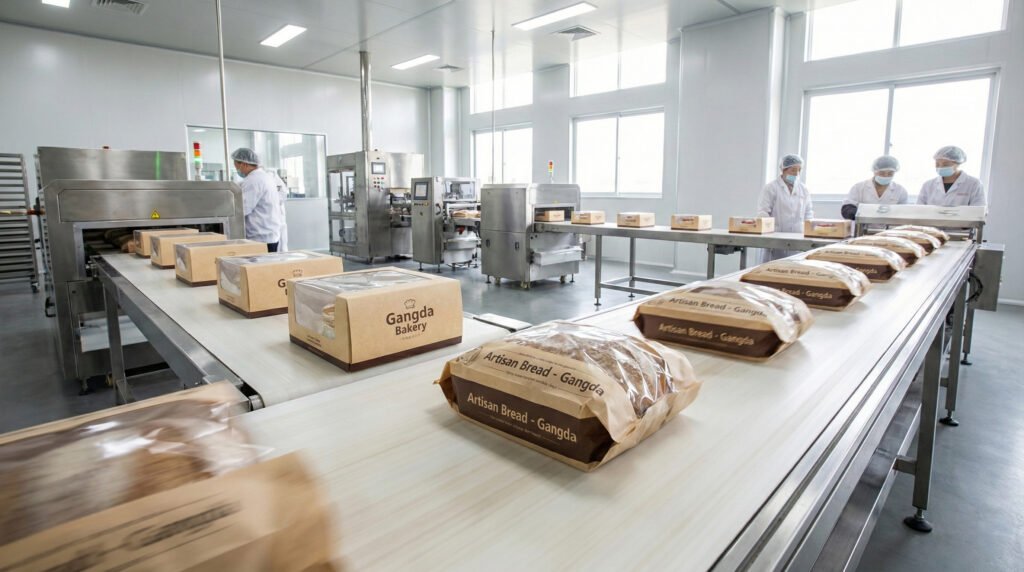

Condensation-Resistant Food Packaging Solutions: 3 Ways We Transformed Reliable Bakery & Deli Freshness
Jan 05, 2026

The challenge of Advanced Moisture-Controlled Bakery Packaging vexes countless bakeries globally, leading to significant product loss and compromised brand integrity. Inadequate moisture control in packaging often results in baked goods like breads, pastries, and cakes becoming soggy, stale, or developing mold. This severely compromises product quality, reduces shelf life, and negatively impacts customer satisfaction during distribution and retail display. This issue is particularly challenging in environments with fluctuating temperatures and humidity, or during extended transit times.
A prominent regional artisan bakery chain in the US, celebrated for its fresh, preservative-free pastries, custom cakes, and specialty breads, faced these exact problems. They distributed daily to over 50 local cafes, upscale grocery stores, and fulfilled direct-to-consumer online orders within a 200-mile radius. Their commitment to product freshness and exquisite presentation was unwavering, yet they consistently received complaints directly linked to packaging-related moisture damage. This case study details how Gangda Packaging engineered a bespoke solution to these persistent issues, providing Advanced Moisture-Controlled Bakery Packaging that delivered measurable results.
The artisan bakery chain initially relied on off-the-shelf packaging solutions, prioritizing cost efficiency over specific material performance. This strategy, common among growing businesses, quickly proved detrimental to their product quality and reputation. The generic paper bags and boxes failed to provide the necessary barrier against environmental moisture or to manage internal condensation effectively, resulting in significant product spoilage.
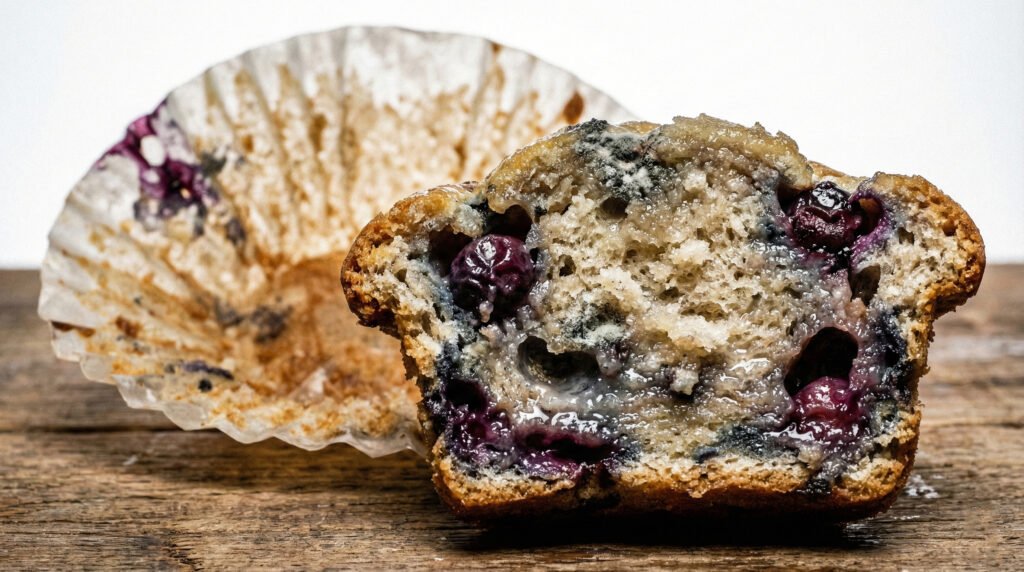
Physical failure modes were diverse and frequent. Delicate pastries arrived at cafes with soggy bottoms, cakes developed mold prematurely during transit, and artisan breads quickly lost their desired crispness, becoming stale. These issues directly compromised the sensory experience the bakery meticulously crafted for its customers. Moreover, the packaging itself would often tear or weaken from moisture absorption, leading to unappealing presentation upon arrival.
The root cause of these failures lay in the fundamental inadequacy of the previous suppliers’ materials. Their standard paper bags typically featured low Grams per Square Meter (GSM) kraft paper, often made from recycled, short-fiber pulp. This material offered poor structural integrity and minimal resistance to moisture ingress. Furthermore, the absence of appropriate coatings meant these bags and boxes acted more like sponges than protective barriers.
Without proper greaseproof or moisture-barrier coatings, the natural oils and moisture from freshly baked goods would seep directly into the paper. This process not only led to visible staining and weakening of the packaging but also created an ideal environment for microbial growth, accelerating spoilage. The lack of a vapor barrier allowed external humidity to penetrate the packaging, further exacerbating staleness and mold formation, especially during extended distribution cycles or in varying climates.
As a Senior Packaging Engineer, I often observe this critical oversight. Many businesses mistakenly view packaging as a mere commodity, focusing solely on the lowest unit price. This overlooks the intrinsic value that engineered packaging brings to product preservation and brand perception.
“The true cost of packaging is not merely its purchase price, but its impact on product quality, shelf life, and customer satisfaction. Investing in specialized engineering solutions for Advanced Moisture-Controlled Bakery Packaging transforms a potential liability into a significant asset.”
This client’s experience underscored the difference between a cheap container and a functional, protective system. Their initial savings on generic packaging were quickly overshadowed by product write-offs, customer complaints, and the intangible yet critical damage to their brand reputation. The bakery realized that their packaging needed to be an extension of their product quality, not a compromise.
Jan 05, 2026

Jan 02, 2026

Dec 22, 2025