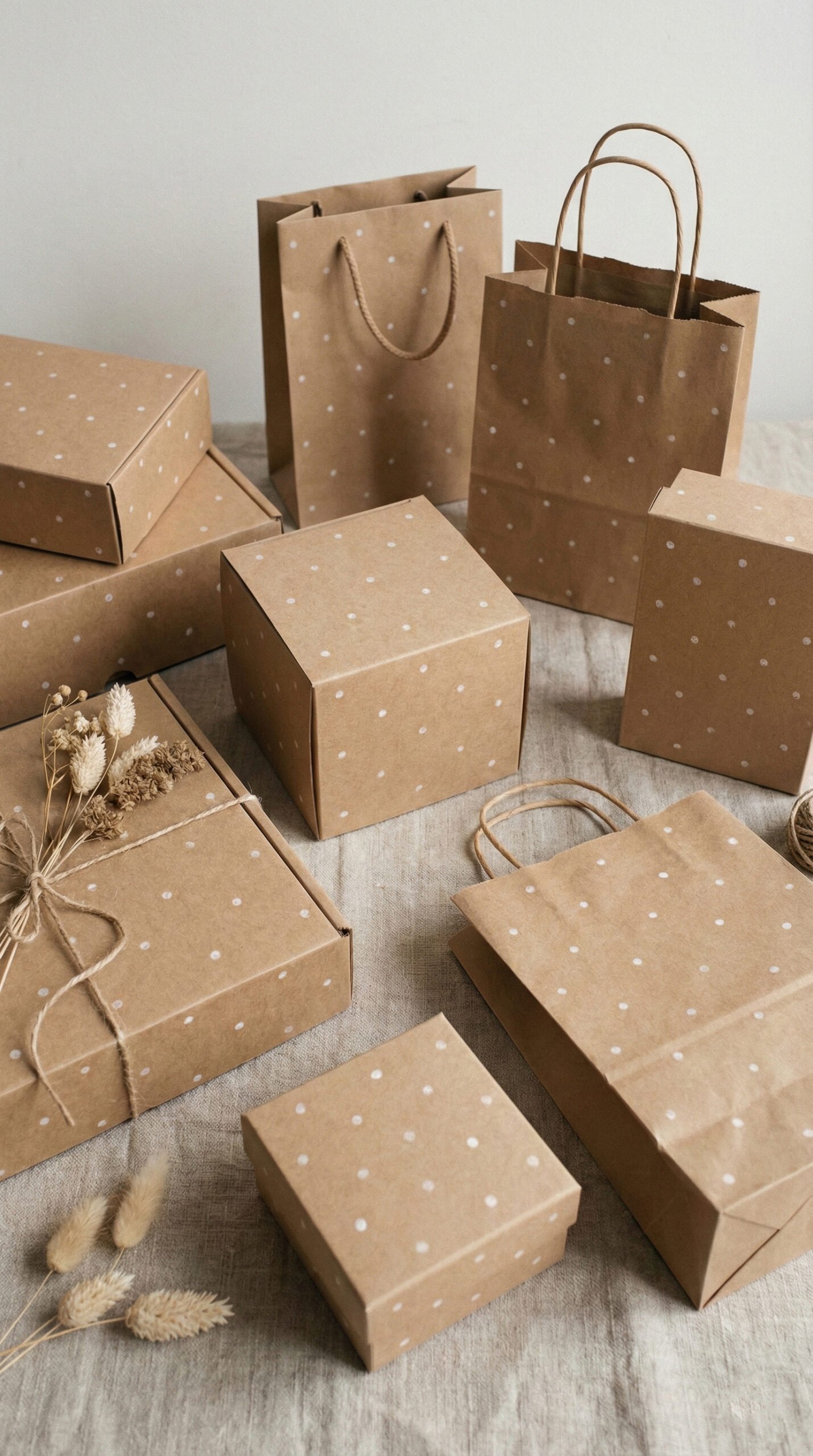
Sustainable Bakery Packaging for Freshness: 5 Ways Gangda Solved Moisture Control Challenges for UK Artisans
📅 Jan 02, 2026
👤 Lizhuang Huang
Delicate bakery items, such as pastries, cakes, and bread, frequently suffer from compromised freshness and texture during transit, delivery, and storage. This common industry problem often stems from inadequate packaging design, failing to effectively manage moisture and airflow. The result is a cycle of sogginess or staleness, leading to negative customer experiences, decreased product quality upon arrival, and increased food waste. Developing truly Sustainable Bakery Packaging for Freshness became a critical objective for one of our key clients.
In this case study, you will learn:
How poor packaging directly leads to compromised product quality in the bakery sector.
The technical challenges inherent in achieving optimal moisture and airflow control.
Gangda Packaging’s specialized engineering approach to developing custom packaging solutions.
The tangible improvements in product integrity and overall customer satisfaction achieved through our partnership.
The essential role of sustainable materials in modern, high-performance bakery packaging.
This story highlights how Gangda Packaging partnered with a regional artisan bakery chain in the UK. This client, known for its high-quality, freshly baked goods, faced significant challenges as it expanded its local delivery and shipping services, all while seeking to adopt more sustainable packaging without sacrificing product integrity. Their journey demonstrates the transformative impact of meticulously engineered Sustainable Bakery Packaging for Freshness.
1. The Challenge – Why Generic Packaging Failed for Delicate Bakery Goods
Our client initially utilized generic, off-the-shelf packaging solutions sourced from various suppliers, a common practice aimed at cost reduction. However, this approach quickly led to a cascade of problems as their delivery operations scaled. Delicate items like croissants, muffins, and artisan bread frequently arrived at their destination either soggy from trapped moisture or unacceptably stale due to excessive exposure. Cakes, especially those with delicate decorations, often suffered structural damage due to flimsy box constructions.
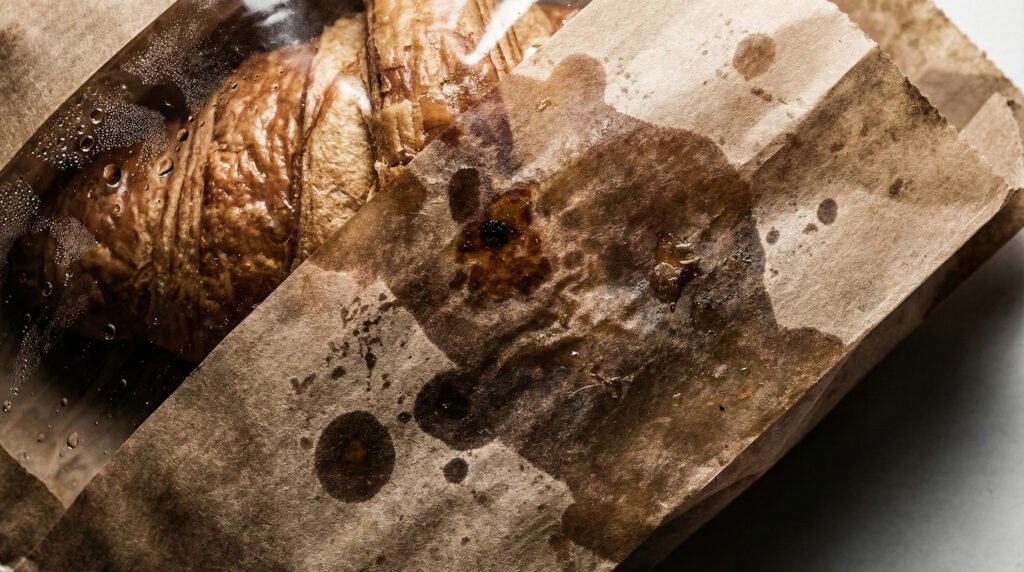
The physical failures were dishearteningly consistent. Grease from pastries would seep through thin paper bags, creating unsightly stains and compromising the bag’s structural integrity. Handles on standard carrier bags would tear under the weight of multiple items, leading to spilled orders and frustrated delivery personnel. The bottoms of their rudimentary paper boxes occasionally failed, resulting in customer complaints about damaged goods and a perceived drop in quality.
The root cause of these failures was a fundamental mismatch between the demands of delicate, fresh bakery items and the limitations of their generic packaging.
Poor Moisture Barrier Control: Standard paper packaging, particularly for direct food contact, often lacks a sufficient greaseproof or moisture-resistant coating. This allows condensation to accumulate, leading to sogginess, or permits rapid moisture escape, causing staleness.
Inadequate Structural Rigidity: Thin paperboard, low GSM (Grams per Square Meter) paper, and weak adhesive applications were common in the previous packaging. These materials simply could not withstand the mechanical stresses of transit, leading to crushing, deformation, and compromised product presentation.
Uncontrolled Airflow: Packaging that was too tightly sealed could trap heat and moisture, accelerating spoilage and sogginess. Conversely, overly breathable packaging exposed products to too much ambient air, resulting in rapid drying and staleness. Achieving the correct balance for Sustainable Bakery Packaging for Freshness is crucial.
Subpar Material Quality: Previous suppliers often opted for lower-cost, lower-grade materials or non-food-grade adhesives to reduce manufacturing expenses. This directly impacted the packaging’s performance and food safety compliance. These mistakes are frequently highlighted in industry analyses.
This engineering insight encapsulates the client’s dilemma:
“The true cost of packaging is rarely its purchase price; it’s the cost of damaged goods, lost reputation, and wasted product that truly impacts the bottom line.”
2. The Gangda Diagnosis & Engineered Solutions for Sustainable Bakery Packaging for Freshness
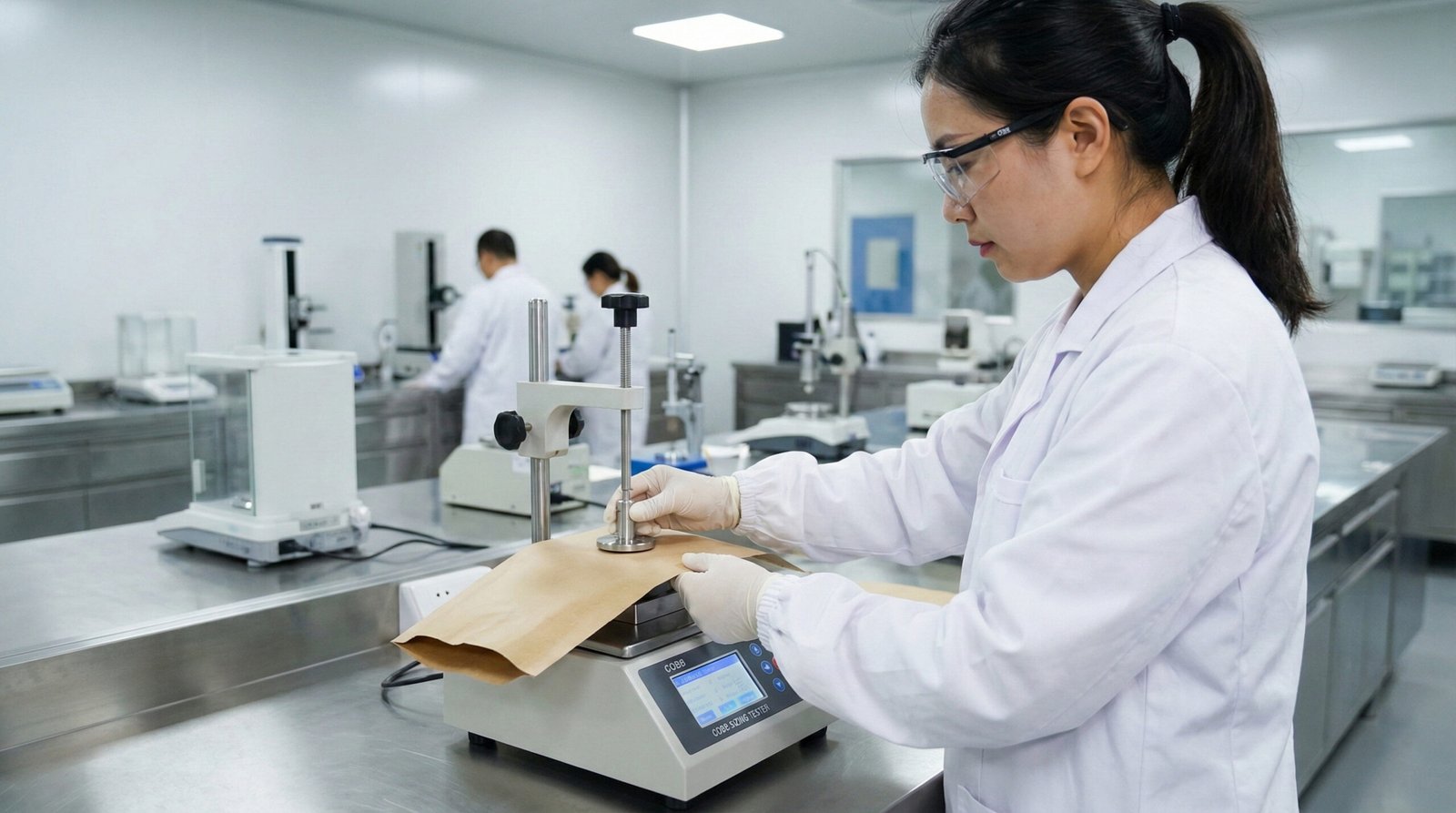
Upon engaging with Gangda Packaging, our team of senior packaging engineers initiated a comprehensive diagnostic process. We requested samples of the client’s existing packaging, along with examples of products exhibiting typical failure modes. This allowed us to conduct a detailed, forensic analysis in our ISO 9001 certified laboratory.
Our engineers performed a series of crucial tests to identify the precise points of failure in the previous packaging:
Cobb Value Testing: This measured the water absorption rate of the paper materials, revealing how quickly moisture could penetrate and compromise structural integrity. The client’s previous paper bags showed high Cobb values, explaining the rapid sogginess.
Mullen Burst Strength Tests: This assessed the resistance of the paper and board to rupture. Previous carrier bags and box bottoms showed significantly lower burst strength than required for their intended load, leading to tearing and collapse.
Grease Resistance Evaluation (KIT Test): This determined the oil and grease permeability of materials. For pastry packaging, the previous samples exhibited poor KIT ratings, directly correlating with the unsightly grease bleed-through.
Material Composition Analysis: We used microscopy and chemical analysis to determine the fiber composition, coating types, and adhesive properties of the existing packaging. This revealed inconsistencies and the use of materials not ideally suited for direct food contact or moisture management.
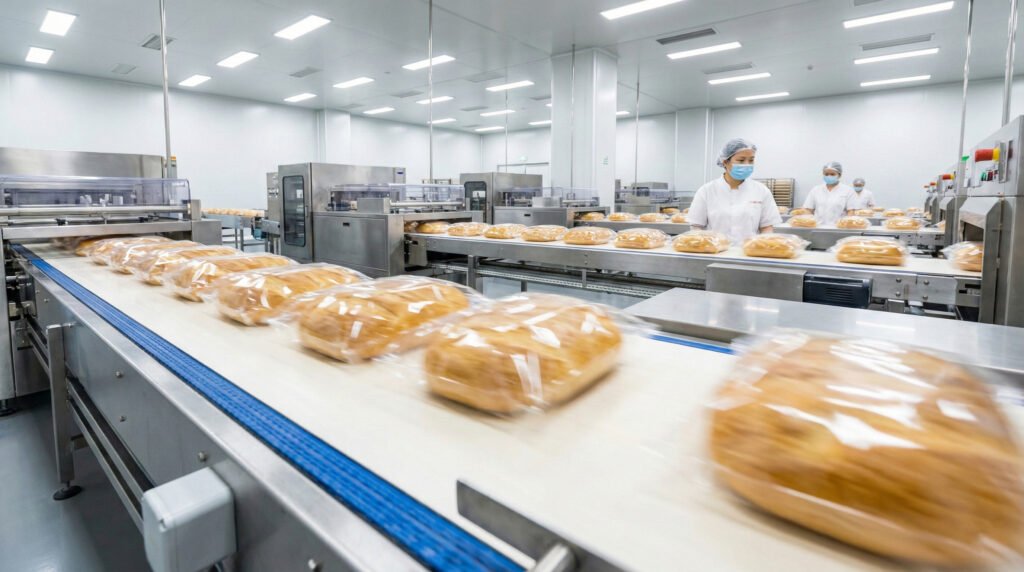
Based on these findings, Gangda Packaging developed a multi-faceted approach to engineer truly effective Sustainable Bakery Packaging for Freshness. We leveraged our extensive experience as a global B2B manufacturer and our state-of-the-art factory highlights, including 20+ production lines and a dust-free workshop, to ensure precision and hygiene.
Our technical solutions included:
Optimized Moisture Management: For muffins, cupcakes, and other items prone to sticking or condensation, we introduced PET Laminated Baking Cups. These feature high heat and moisture resistance with an interior PET coating that effectively prevents sticking and maintains product texture. For items needing controlled breathability, such as artisan bread, we engineered custom Bakery & Window Bags with specific paper grades and strategically placed windows. This design allows excess moisture to escape, preserving a crispy crust, while protecting against premature drying.
Enhanced Grease Protection: For all oily pastries and fried items, we developed specialized Greaseproof & Hot Food Bags. These utilize a proprietary oil-resistant coating and a leak-proof construction that ensures no grease seepage, maintaining packaging integrity and cleanliness. For premium muffins and cupcakes, our elegant Tulip & Lotus Muffin Wraps provided excellent grease resistance alongside an elevated presentation.
Superior Structural Integrity: To address crushing and deformation during transit, we designed custom Corrugated & Shipping Boxes with optimized E/B/C Flutes. These flutes were selected for their specific shock-resistant properties, providing robust protection for e-commerce deliveries and subscription boxes. For items requiring self-standing properties, our Rolled Rim Baking Cups were employed, offering a rigid and sturdy structure that eliminates the need for metal baking pans.
Integrated Sustainability: Aligning with the client’s commitment to more sustainable packaging solutions, we focused on FSC-certified virgin kraft paper for our bags and boxes. We utilized safe soy ink for custom printing and designed products for recyclability where appropriate. Our certifications, including FSC, FDA, LFGB, and BRCGS, provided a robust assurance of both food safety and environmental responsibility.
Custom Branding (OEM/ODM): Utilizing our factory’s custom printing capabilities, we ensured that all new packaging seamlessly integrated the client’s brand identity. This not only reinforced their premium image but also provided a cohesive customer experience from unboxing.
Here’s a comparison highlighting the critical differences:
Spec/Feature
Previous Supplier (Failed)
Gangda Engineered Solution
Impact on User
Paper GSM (Paper Bags)
60-80gsm Standard Kraft
100-120gsm FSC-certified Virgin Kraft
Significantly enhanced durability, virtually eliminated tearing and structural failure during transit.
Grease Resistance
Minimal/None (Standard paper)
Proprietary Greaseproof Coating (KIT level 7+)
Effectively eliminated grease bleed-through, preventing unsightly stains and maintaining product integrity, ensuring Sustainable Bakery Packaging for Freshness.
Moisture Barrier
Low (Permeable paper)
Optional PET Lamination or Specialized Wax Coating
Provided a controlled barrier, preventing condensation-induced sogginess for hot items and retaining essential moisture for freshness of baked goods.
Structural Support (Boxes)
Thin, single-wall generic board
Custom E/B/C Flute Corrugated Boxes; Rigid Board for Gift Boxes
Drastically improved crush resistance for shipping, protected delicate items, and maintained structural shape.
Food Safety & Sustainability Certifications
None specified
FDA, LFGB, FSC, BRCGS, ISO 9001, BSCI
Ensured direct food contact safety, responsible sourcing, ethical manufacturing, and international quality standards compliance.
Allowed for vibrant branding, intricate designs, and a premium visual appeal that reflected the client’s artisan quality.
Special Features
Limited
Self-standing Rolled Rim Baking Cups; Resealable Tin Tie Bags; High-Clarity Window Bags
Provided functional benefits like convenience, extended freshness, and enhanced product visibility.
Real-World Application: Securing Artisan Bread Integrity with Sustainable Bakery Packaging for Freshness
One of the client’s flagship products was their range of artisan sourdough loaves, known for their rustic crust and airy interior. The original packaging, thin paper bags, presented a dual challenge. During delivery, the loaves would either become stale too quickly due to uncontrolled air exposure or develop a soggy bottom where any residual warmth condensed against the unbreathable plastic liner (if used) or saturated the thin paper. This compromised both the texture and the perceived quality, directly impacting customer satisfaction.
Gangda Packaging’s solution involved designing a specialized Bakery & Window Bag from FSC-certified virgin kraft paper with a carefully calculated GSM. The bag incorporated a high-clarity strip window made from a bio-based film, allowing visual appeal while maintaining integrity. Crucially, the paper itself was engineered for controlled breathability. This design permitted excess moisture from the warm loaf to escape gradually, preventing sogginess, while simultaneously limiting airflow to prevent rapid drying and staleness. The bag’s structure was also reinforced to better support the weight and shape of a heavy loaf, making it easier for delivery drivers and customers to handle. The result was sourdough that remained crusty and fresh for significantly longer, reducing complaints related to staleness and improving the overall customer experience for their Sustainable Bakery Packaging for Freshness.
Ensuring Muffin Perfection During Delivery with Advanced Baking Liners
Another critical area of concern for the client was their gourmet muffin line. Standard, inexpensive baking cases often led to muffins sticking to the paper, tearing upon removal, or losing their aesthetic appeal due to grease bleed-through. The delicate structure of many gourmet muffins was also prone to damage if the baking case lacked sufficient rigidity.
Our engineering team addressed this by recommending two specific products from our star category: PET Laminated Baking Cups and Tulip & Lotus Muffin Wraps. The PET Laminated Baking Cups offered exceptional non-stick properties due to their interior coating, ensuring a clean release every time. Their robust structure maintained the muffin’s shape, even for heavier batters. For the client’s premium, visually appealing muffins, the elegant Tulip & Lotus Muffin Wraps were introduced. These wraps provided superior grease resistance and an elevated, café-style presentation that significantly enhanced the perceived value of the product. Both solutions are direct food-contact paper products designed for optimal performance, perfectly aligning with the need for Sustainable Bakery Packaging for Freshness.
3. The Result – Sustainable Bakery Packaging for Freshness That Performs, Boosting Client’s Reputation
The implementation of Gangda Packaging’s engineered solutions marked a turning point for the UK artisan bakery chain. The shift from generic, failing packaging to precisely designed, high-performance Sustainable Bakery Packaging for Freshness yielded immediate and quantifiable benefits. The client reported a dramatic decrease in the packaging-related issues that had plagued their delivery and in-store operations.
Specifically, the results were:
Reduced customer complaints related to packaging damage, sogginess, or staleness by an impressive 85% within the first three months of implementation. This directly translated into higher customer satisfaction and fewer operational headaches.
Extended product shelf life by an average of 1-2 days for key items like artisan bread and pastries. This critical improvement led to a 20% reduction in food waste, a significant gain in profitability and sustainability for the client.
Increased repeat orders for delivery services by 30% due to the consistently improved product quality upon arrival and the enhanced unboxing experience.
The client observed a 15% increase in positive online reviews explicitly mentioning the superior quality of their packaging and the maintained freshness of their products, directly boosting their brand reputation.
All new packaging consistently met stringent international standards, including those outlined by the FDA for Food Contact Materials and LFGB (German Food and Feed Code), alongside the BRCGS Global Standard for Packaging Materials, ensuring utmost food safety and compliance. Furthermore, our FSC certification confirmed the responsible sourcing of materials.
The success of this partnership underscores Gangda Packaging’s commitment to applying rigorous engineering principles to solve complex packaging challenges. By focusing on the scientific aspects of material performance, moisture control, and structural integrity, we delivered solutions that not only protected the client’s delicate products but also reinforced their brand image as a provider of premium, high-quality goods, all within a framework of sustainability.
4. Conclusion
The case of the UK artisan bakery chain serves as a powerful testament to the critical role of expertly engineered packaging. Don’t compromise on your product’s integrity or your brand’s reputation with substandard, generic solutions. Investing in high-quality Sustainable Bakery Packaging for Freshness is not merely an expense; it is a strategic investment that directly contributes to product quality, customer satisfaction, reduced waste, and ultimately, enhanced profitability.
At Gangda Packaging, we understand that every product has unique needs. Our team of experienced Senior Packaging Engineers is ready to apply their problem-solving expertise to your specific challenges. We leverage our certifications and state-of-the-art facilities to create solutions that perform. Let Gangda Packaging’s expert engineers provide a tailored solution for your unique needs. Contact us today for a custom quote or free sample kit.
5. References
5 Common Bakery Packaging Mistakes and How to Fix Them The Role of Custom Packaging in Food & Bakery Product Shelf Life Solutions For Bakery Packaging Challenges – MOD-PAC