
Complete Guide to Corrugated Flute Types: E, B, and BC Explained
Feb 17, 2026
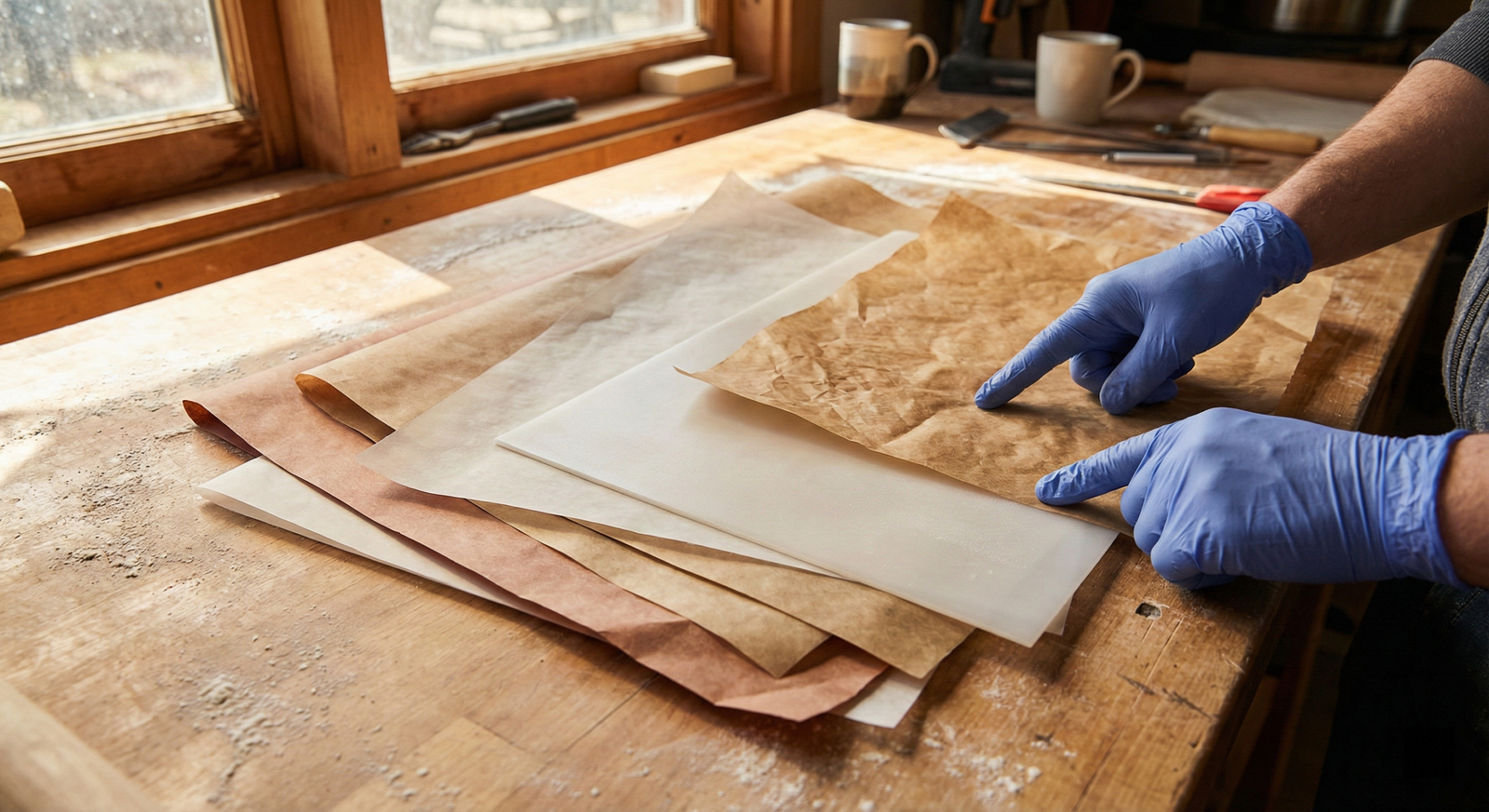
As a packaging engineer, I’ve seen firsthand how choosing the wrong paper for food applications can impact everything from food safety to customer satisfaction. It’s not just about aesthetics. The right paper ensures your product performs as intended, maintains quality, and meets critical health standards. In this Wiki guide, I’ll clarify the critical distinctions in a Butcher Paper, Parchment Paper, Silicone Paper Comparison and help you choose the best option for your operations.
Let’s dive into the technical details and separate the truly professional options from the generic market traps.
| Feature | Butcher Paper | Parchment Paper | Silicone Paper |
|---|---|---|---|
| Material Base | Virgin wood pulp, unbleached | Virgin wood pulp (often oxygen-bleached) | Virgin wood pulp, usually bleached |
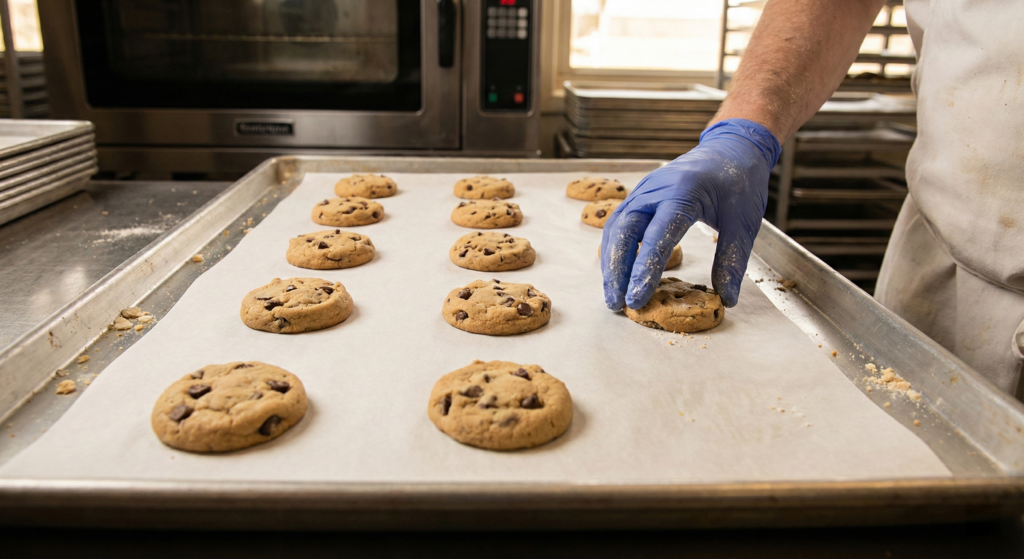
| Coating | Often uncoated or light sizing | Silicone coated (single or double-sided) | Silicone coated (single or double-sided) |
| GSM (Quality) | 65-98gsm (heavy-duty) | 35-60gsm | 35-60gsm |
| Max Temperature | 300°F (indirect heat) | Up to 450°F (232°C) sustained, 480°F (250°C) short-term | Up to 428°F (220°C) sustained |
| Non-Stick Level | Low (some natural grease resistance) | High | Excellent |
| Moisture Resistance | Moderate (good wet strength) | Good (some varieties have higher WVTR for breathability) | Excellent (low Cobb value) |
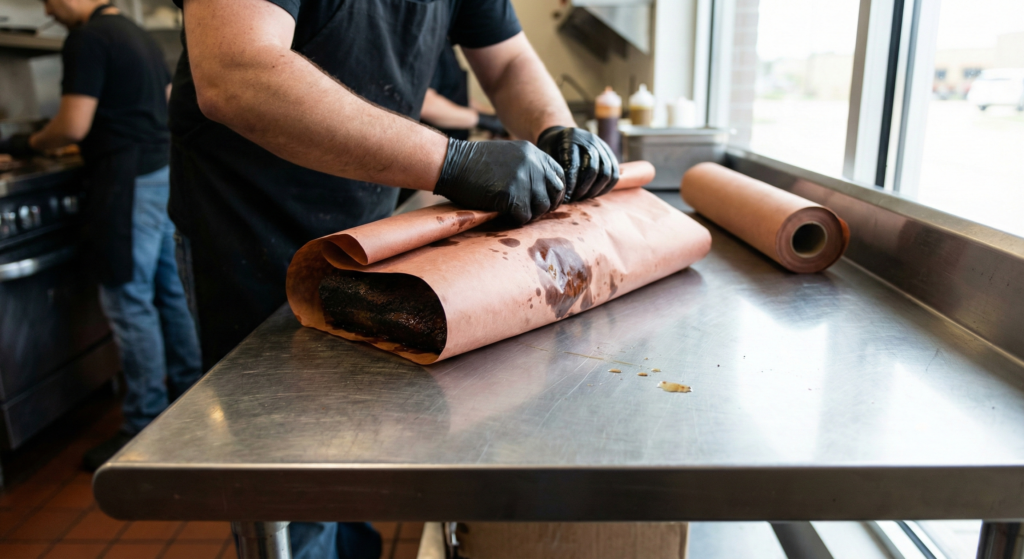
| Best Use Case | BBQ (low & slow), meat wrapping, deli paper | General baking, tray lining, steaming, light wrapping | High-stick baking, frozen desserts, industrial non-stick applications |