

Complete Guide to Corrugated Flute Types: E, B, and BC Explained
Feb 17, 2026
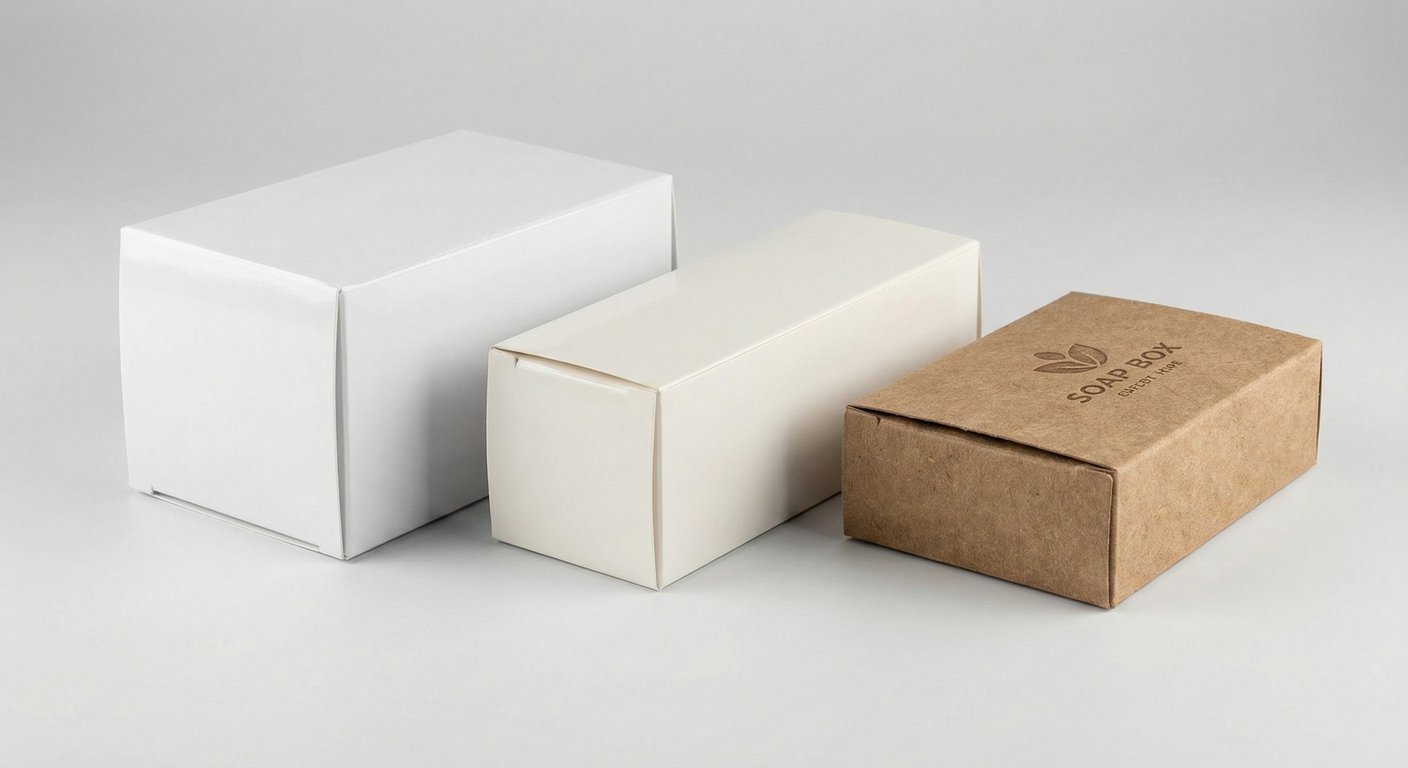
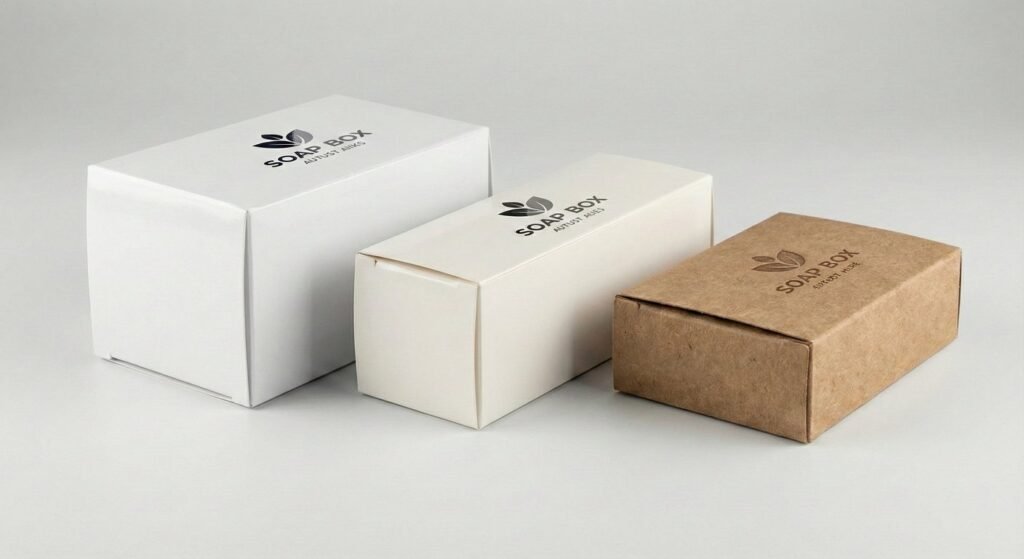
Selecting the right substrate is one of the most critical decisions in packaging design. It dictates not only the structural integrity of your box but also the perceived value of the product inside. When navigating the debate of Coated Paper vs Kraft Paper or the versatile C1S (Ivory Board), brands often struggle to balance aesthetics, budget, and sustainability. In this guide, we break down the three most common packaging papers—Coated Art Paper, C1S (White Card), and Kraft Paper—to help you make an informed decision for your supply chain.
Before diving into the comparisons, it is essential to define what these materials actually are in the context of manufacturing.
1. Coated Art Paper
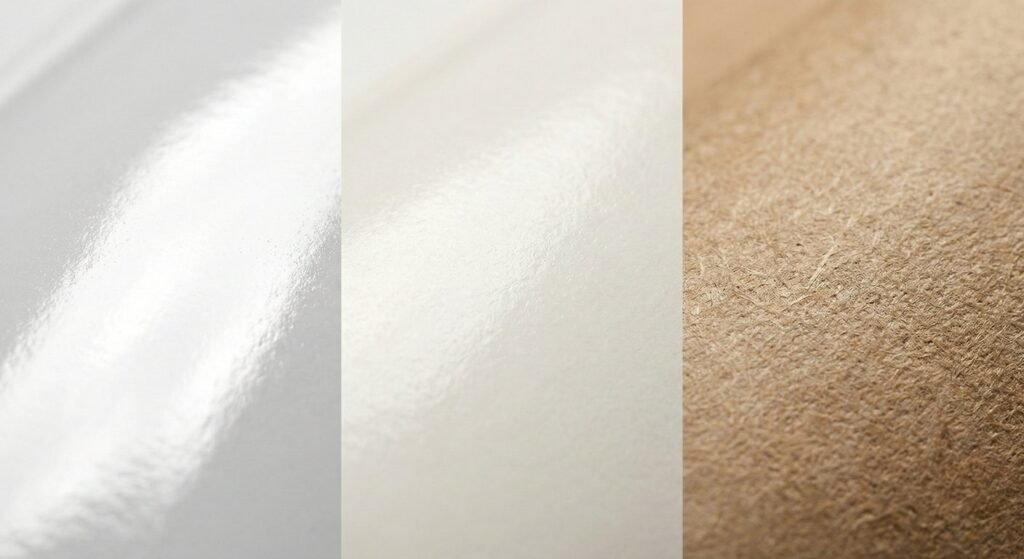
Often referred to simply as “Art Paper,” this material features a smooth, glossy, or matte coating on both sides. In the luxury packaging sector, lightweight coated art paper (128gsm or 157gsm) is primarily used as the “wrapping paper” that gets glued onto rigid chipboard boxes. It offers the highest print resolution.
2. C1S / Ivory Board
C1S stands for “Coated One Side.” Also known as SBS (Solid Bleached Sulfate) or Ivory Board, this is the industry standard for folding cartons (like cosmetic boxes). It has one smooth, coated side for printing and a rougher, uncoated back.
3. Kraft Paper
Known for its high tear resistance and rustic look, Kraft Paper is produced using the chemical Kraft process. It is naturally brown but can be bleached white. It is the go-to choice for brands focusing on eco-friendly, minimalist branding.