


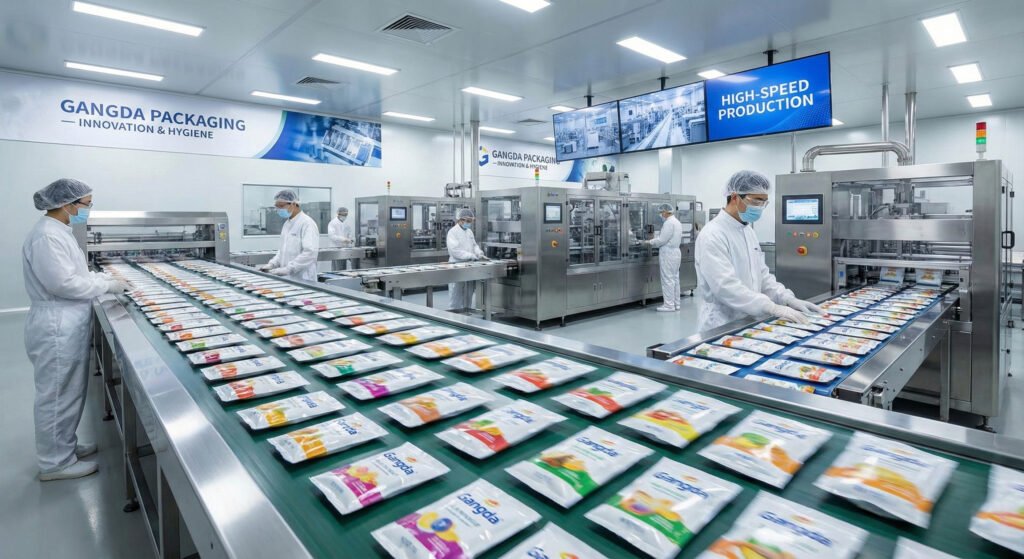

Sustainable Bakery Packaging for Freshness: 5 Ways Gangda Solved Moisture Control Challenges for UK Artisans
Jan 02, 2026
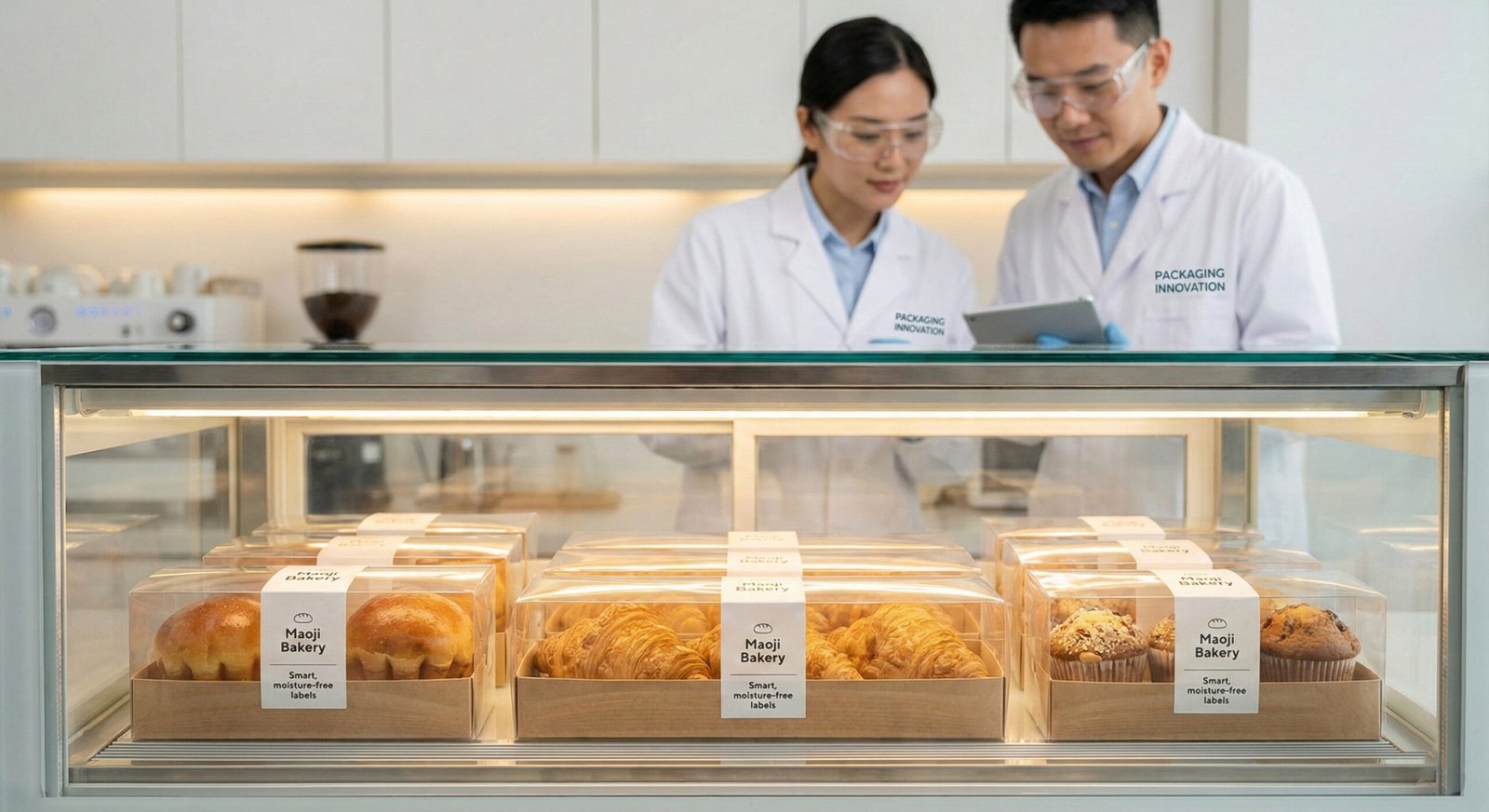
Baking and catering wholesalers frequently encounter a persistent and costly problem: insufficient moisture resistance in their packaging. This issue is severely exacerbated by condensation during storage or transit, especially in refrigerated environments. The result is often soggy, soft, or prematurely spoiled baked goods like bread and pastries, alongside ready-to-eat items such as sandwiches and salads. Such degradation critically harms product quality, diminishes consumer experience, and leads to significant food waste. Addressing these challenges effectively requires robust Condensation-Resistant Food Packaging Solutions.
In this case study, you will learn:
This narrative chronicles the journey of a prominent UK-based artisanal bakery chain. This client not only serves its own bustling retail outlets but also supplies a diverse range of pre-packaged sandwiches and salads to local coffee shops and supermarkets. Their rapid growth was, however, challenged by critical packaging failures.
The UK bakery chain, despite its culinary excellence, faced a recurring and frustrating issue with its pre-packaged refrigerated products. Their previous supplier’s packaging, while seemingly cost-effective initially, proved utterly inadequate for maintaining the quality of delicate pastries and fresh deli items once chilled. This failure manifested in several critical ways.
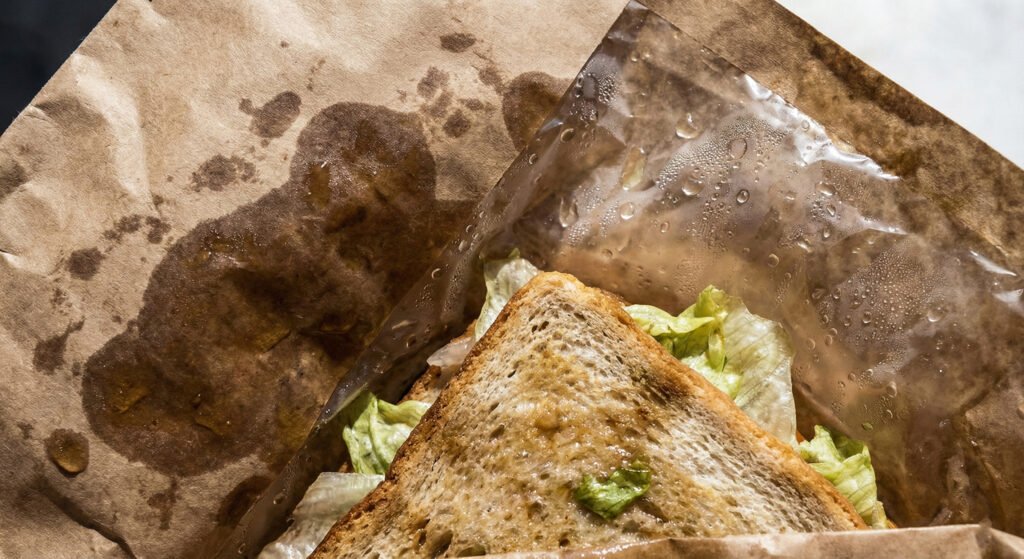
Products consistently suffered from moisture damage. The paper-based packaging would quickly become saturated, turning soft and losing its structural integrity. This often led to tearing or the bottom falling out of bags, especially when handled by consumers or store staff.
The primary culprit was insufficient moisture barrier properties. Standard paper packaging simply couldn’t withstand the drastic temperature fluctuations that occur during cold storage, transport, and display. This led to significant condensation build-up inside the packaging, directly compromising the freshness and visual appeal of their products.
The pastries would become damp and unappetizing. Sandwiches and salads would wilt and spoil prematurely due to the trapped moisture, undermining the perceived value and quality the bakery chain had painstakingly built. Food waste, customer complaints, and returns began to escalate, directly impacting profitability and brand reputation.
The technical root cause was a fundamental mismatch between the packaging material’s specifications and the demanding environment of refrigerated food storage. The previous supplier’s product likely utilized a lower GSM (grams per square meter) paper without adequate protective coatings. This meant its resistance to water vapor transmission (WVTR) was unacceptably high, allowing moisture to permeate easily.
Furthermore, the materials likely lacked proper internal lamination or a suitable greaseproof treatment. This deficiency facilitated the absorption of both ambient humidity and internally generated condensation, turning once crisp items into soggy disappointments. This highlights a crucial distinction in the packaging industry.
“The difference between ‘price’ and ‘value’ becomes stark when packaging failures directly translate into product spoilage and lost customer trust. True value lies in engineered performance, not just the initial cost.”
The economic repercussions were substantial. Every spoiled product represented not just lost revenue from the item itself, but also the labor and ingredients invested. Beyond the direct financial hit, the brand’s image suffered, eroding consumer confidence and potentially driving customers to competitors. This chain understood they needed a more robust, Condensation-Resistant Food Packaging Solutions.
Jan 02, 2026

Dec 25, 2025

Dec 22, 2025