


Condensation-Resistant Food Packaging Solutions: 3 Ways We Transformed Reliable Bakery & Deli Freshness
Jan 05, 2026

Imagine the frustration: a meticulously crafted artisan pastry, baked with passion and skill, arrives at its destination not as a delectable treat, but a crumpled, grease-stained mess. This isn’t just a minor inconvenience; it’s a critical failure for food enterprises, particularly boutique bakeries and fresh food retailers. They grapple with the urgent need for sustainable, eco-friendly packaging that simultaneously protects products during transit, controls moisture to extend shelf life, and manages cost. The dilemma of balancing environmental goals with functional imperatives – preventing product breakage, spoilage, or premature staling – often results in compromised product quality, escalating operational costs, and ultimately, consumer dissatisfaction and food waste. The search for effective, durable, and aesthetically pleasing “custom greaseproof bakery packaging solutions” has become a pressing industry pain point.
This exact challenge recently plagued a thriving boutique bakery chain. As they expanded their distribution network, their existing eco-friendly packaging, while well-intentioned, proved inadequate. Delicate pastries arrived damaged, and fresh bread rapidly lost its crispness, turning soggy long before reaching the consumer. These physical packaging failures led directly to increased refund requests, damaging online reviews, and a significant dent in their meticulously built brand reputation. The cost of these failures wasn’t merely monetary; it eroded consumer trust and jeopardized their growth. They needed robust “custom greaseproof bakery packaging solutions” that could stand up to the rigors of distribution while maintaining their brand’s artisanal appeal and environmental commitment. The stakes were high, and a fundamental shift in their packaging strategy was imperative.
Many food businesses, in their admirable pursuit of sustainability, turn to readily available eco-friendly packaging options. However, these generic solutions often fall short when confronted with the complex demands of food distribution, especially for items requiring specific protective characteristics. The root cause of these failures often lies in fundamental material science and design flaws. Standard paper-based packaging, while biodegradable, frequently lacks the necessary barrier properties to withstand moisture and grease, leading to rapid degradation of product quality.
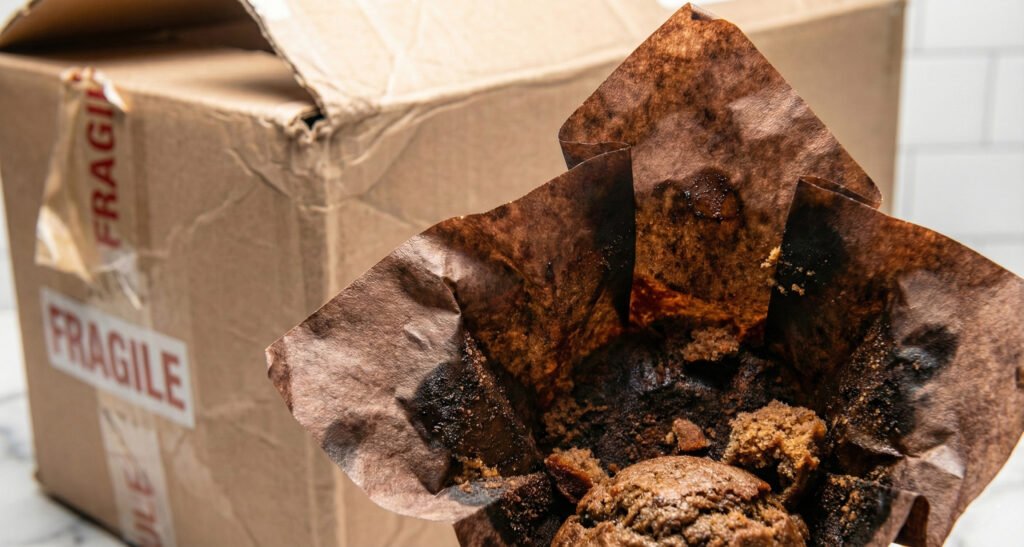
For instance, an ordinary paper liner might absorb oils from a freshly baked muffin, creating unsightly grease rings and compromising the structural integrity of the wrapper itself. This isn’t merely an aesthetic issue; it can lead to the liner collapsing, exposing the product, and accelerating spoilage. Similarly, many eco-friendly box materials, chosen for their recyclability, may not possess sufficient GSM (grams per square meter) or fiber strength to endure stacking and handling during transport. This results in crushed corners, damaged goods, and a perception of low quality. The delicate balance required for effective “custom greaseproof bakery packaging solutions” is often missed by ‘off-the-shelf’ options.
Furthermore, generic solutions typically lack specialized coatings or laminations designed for direct food contact and specific environmental challenges. They might be permeable to moisture vapor, allowing condensation to form within the package, turning crispy products soggy or accelerating mold growth. This is a critical oversight, as extending shelf life and preventing food waste are often as important as the initial environmental credentials of the material itself. The nuanced engineering required to balance sustainability with performance, particularly for “custom greaseproof bakery packaging solutions” that demand both grease resistance and structural resilience, is beyond the capabilities of most trading companies. These intermediaries, while valuable for sourcing, rarely possess the in-house R&D and manufacturing expertise to custom-engineer solutions that address such intricate technical pain points.
Jan 05, 2026

Jan 02, 2026

Dec 25, 2025