
Complete Guide to Corrugated Flute Types: E, B, and BC Explained
Feb 17, 2026
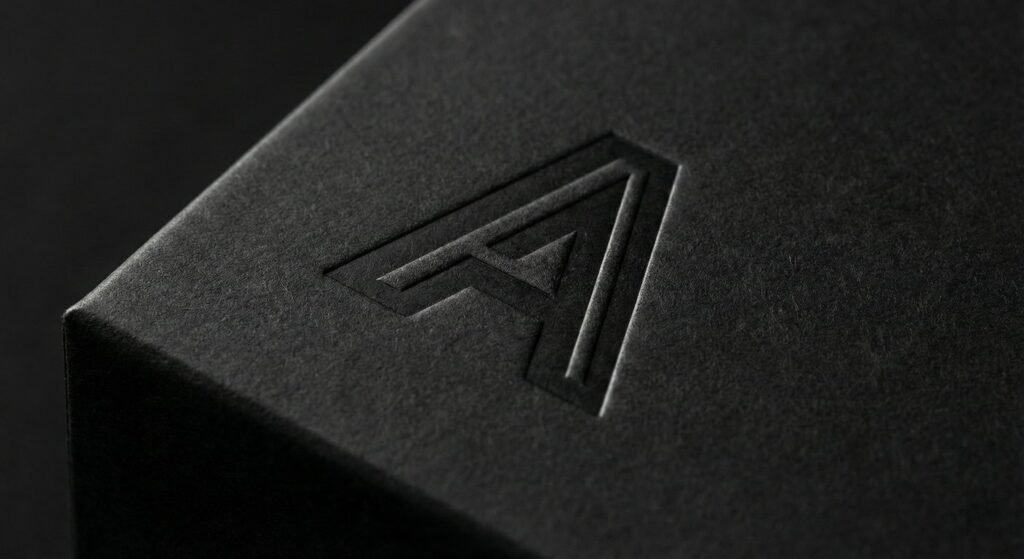
When designing premium packaging, the tactile experience is just as crucial as the visual appeal. Texture communicates value instantly, transforming a standard box into a luxury unboxing experience. One of the most common questions we encounter at the design stage involves the difference between two popular texturing techniques. Understanding the technical and aesthetic nuances of embossing vs debossing is essential for any brand manager looking to elevate their packaging impact without blowing the budget.
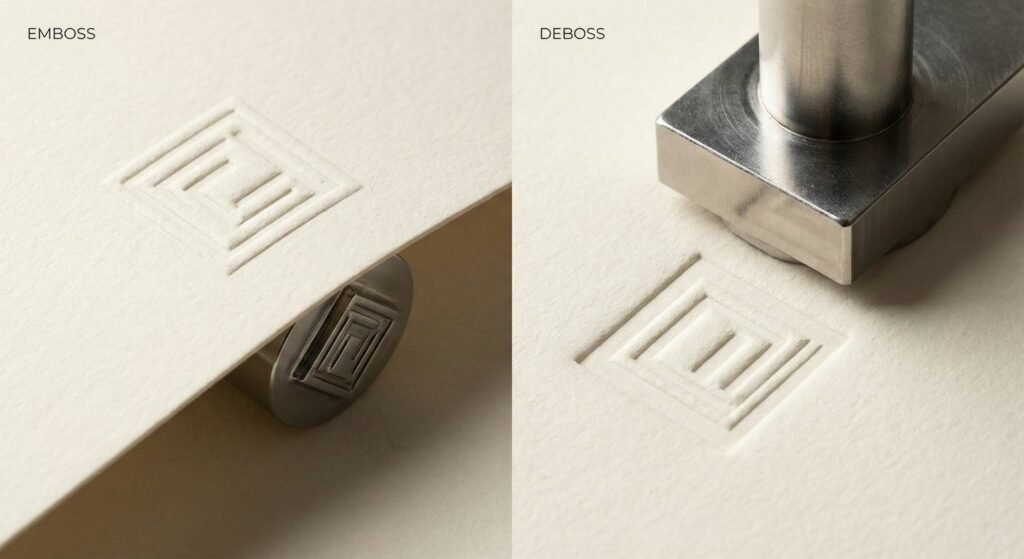
To make an informed decision, it is helpful to understand how these effects are achieved during the production process. Both methods use heat and pressure to alter the surface of the paper or cardstock, but they move the material in opposite directions.
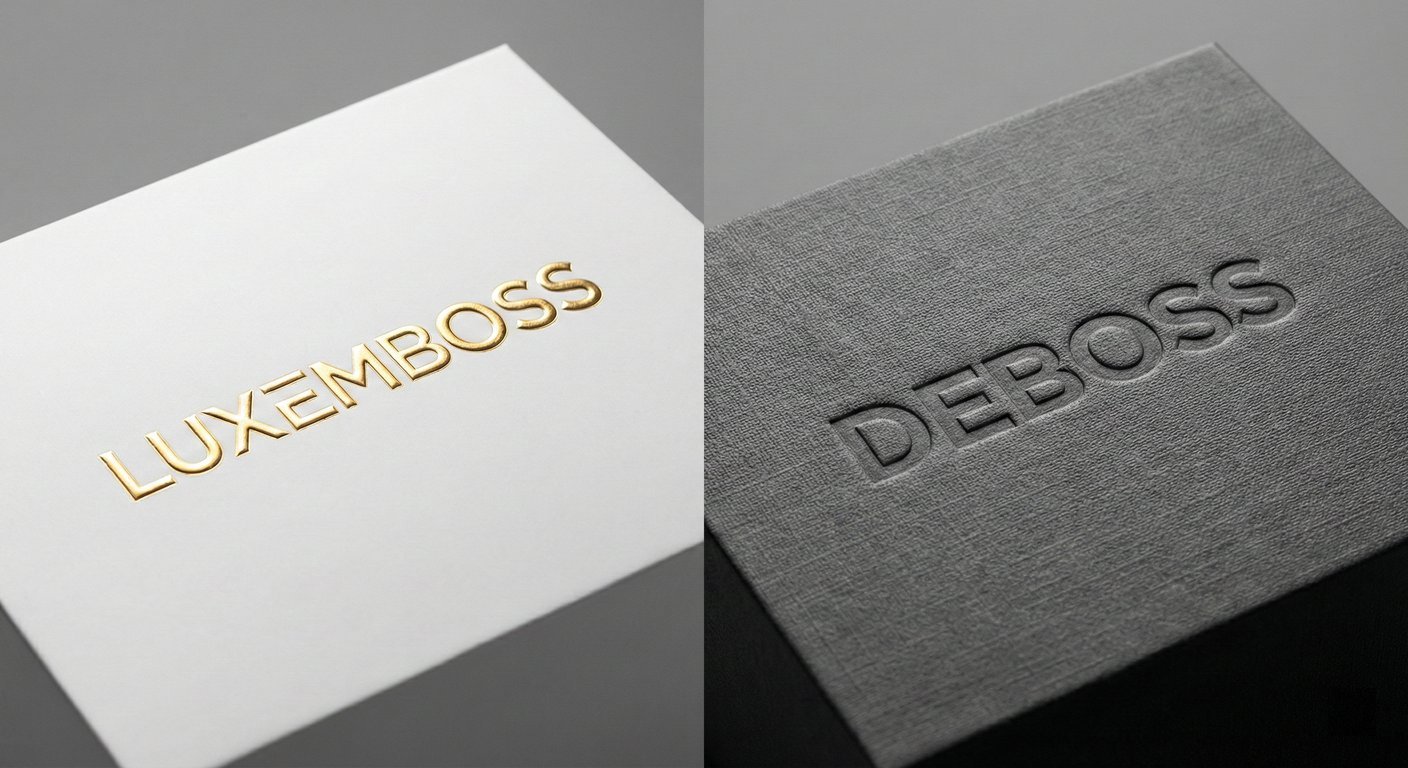
Embossing creates a raised image. A metal die is pressed from underneath the material, pushing the paper up. This creates a 3D effect that stands out from the surface, adding immediate dimension and a premium feel. It is often compared to relief printing where elements project from the background.
Debossing is the exact opposite. The die creates an indented image by pressing down from the top, pushing the paper into a depression. This creates a sunken effect, which offers a subtle, sophisticated depth often associated with minimalist luxury.
When weighing embossing vs debossing, it is important to note that both require the creation of custom metal dies (a male and female die set), which means the setup costs are generally comparable.