

The Complete Guide to Air Fryer Disposable Liners
Apr 03, 2026
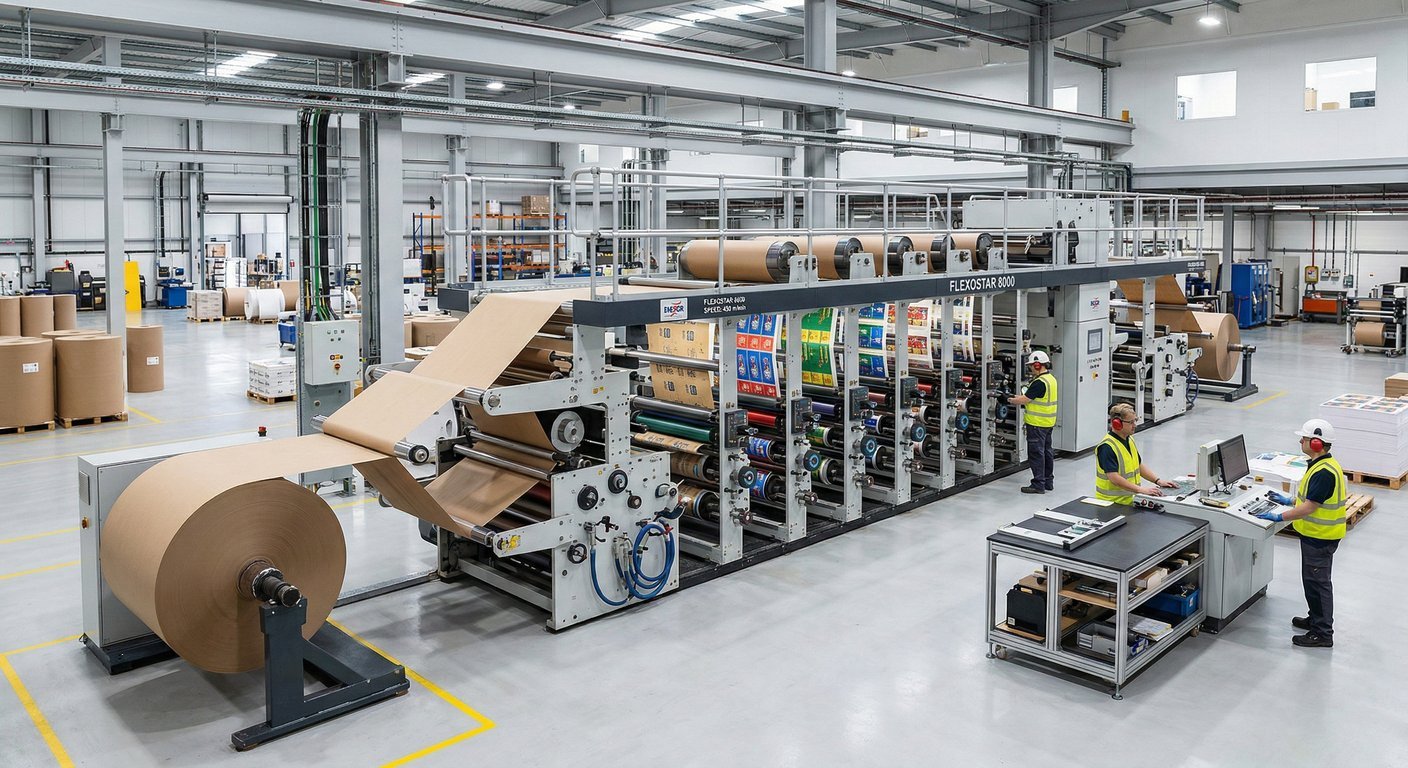
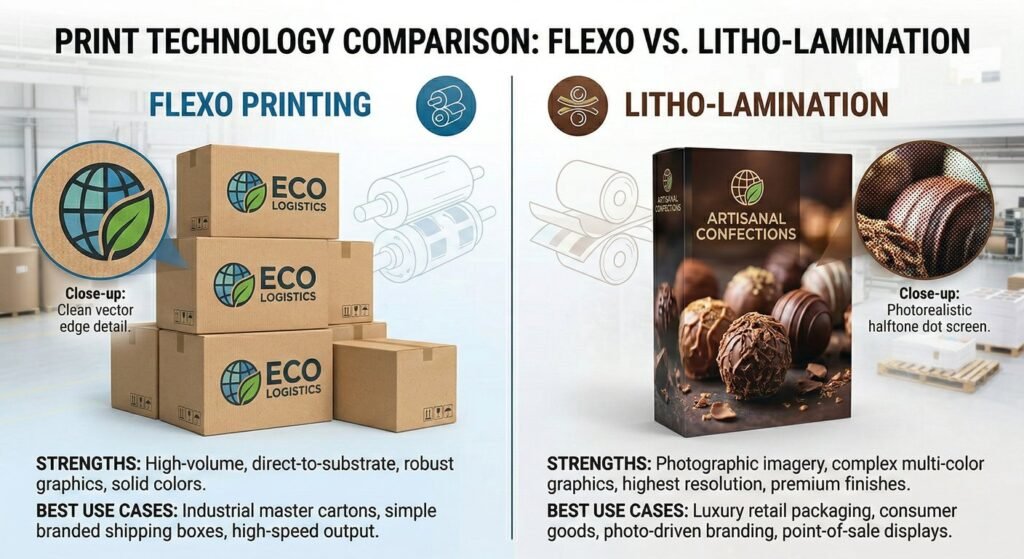
When brands need to ship products safely while maintaining strong brand visibility, packaging is the first line of communication. However, balancing high-volume production with cost-effective branding can be a challenge. This is where flexo printing for corrugated boxes stands out as the industry standard. It is a highly efficient, direct-to-surface printing method that allows manufacturers to apply logos, handling instructions, and vibrant designs directly onto shipping cartons at exceptionally high speeds.
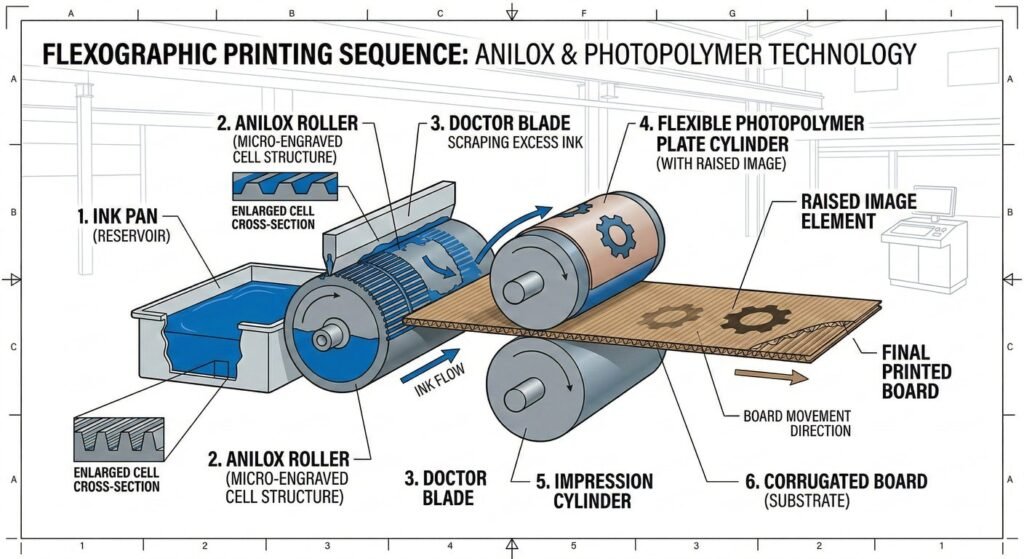
Flexography, often abbreviated as “flexo,” is essentially a modern, high-speed version of the classic letterpress. In this process, flexible photopolymer plates wrapped around rotating cylinders are used to transfer ink onto a substrate. The core of this technology relies on an “anilox roller,” an engraved cylinder that meters the exact amount of ink transferred to the printing plate. Because the printing plates are flexible, they can easily adapt to the slightly uneven, textured surfaces of corrugated board without crushing the internal flutes. For a deeper look into the history and underlying mechanics of this technology, you can explore the evolution of Flexography.