



PPWR Paper Packaging Compliance: 3 Critical Shifts for Urgent Adaptation by August 2026
Jan 04, 2026
The global packaging industry is on the brink of its most significant transformation yet. As the deadline for widespread plastic bans and new Extended Producer Responsibility (EPR) schemes fast approaches in 2025 (Global Plastic Packaging Regulations 2025), food packaging wholesalers face an urgent imperative to adapt. This monumental shift, driven by legislative mandates and escalating consumer demand for sustainable alternatives, presents both formidable challenges and unparalleled opportunities. Navigating these complexities, particularly the stringent requirements of the EU’s Packaging & Packaging Waste Regulation (PPWR) and the fragmented yet impactful state-level bans in the US, is crucial for maintaining market relevance and ensuring compliance. In this strategic report, you will discover the seven critical shifts redefining the global packaging landscape and how direct collaboration with an agile manufacturer like Gangda Packaging can secure your supply chain, reduce costs, and accelerate your transition to a compliant, profitable future.
The momentum towards sustainable packaging is no longer a niche trend; it is a global regulatory and market force. Governments worldwide are enacting ambitious policies to curb plastic pollution and foster a circular economy. This legislative tsunami is compounded by increasingly eco-conscious consumers demanding transparent and environmentally responsible product offerings. For wholesalers, understanding these drivers is the first step towards strategic adaptation.
Key drivers shaping this macro shift include:
Strategic Insight: The shift away from traditional plastics is not merely a compliance burden but a strategic opportunity. Wholesalers positioned to offer certified, innovative, and compliant paper-based packaging solutions will become indispensable partners to brands navigating this regulatory maze.

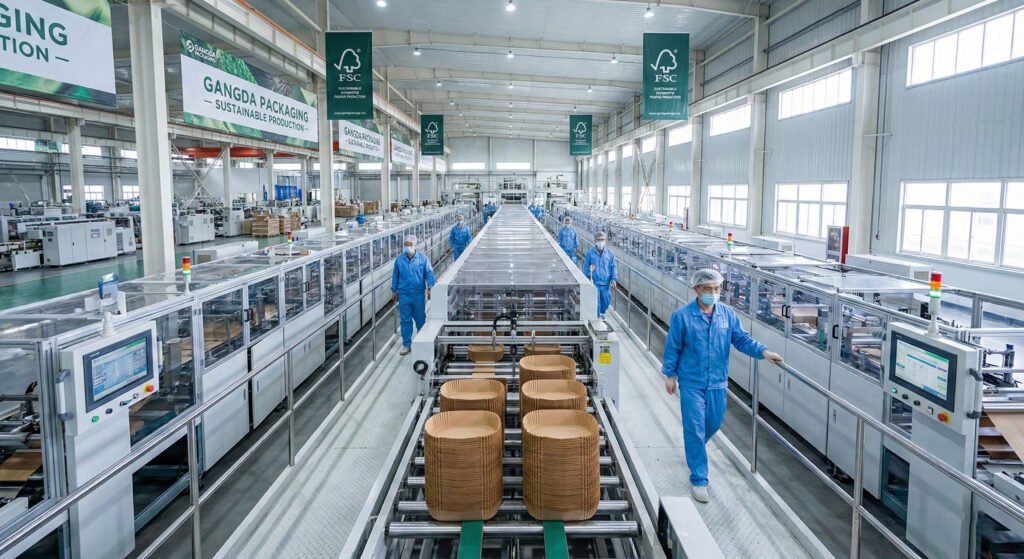
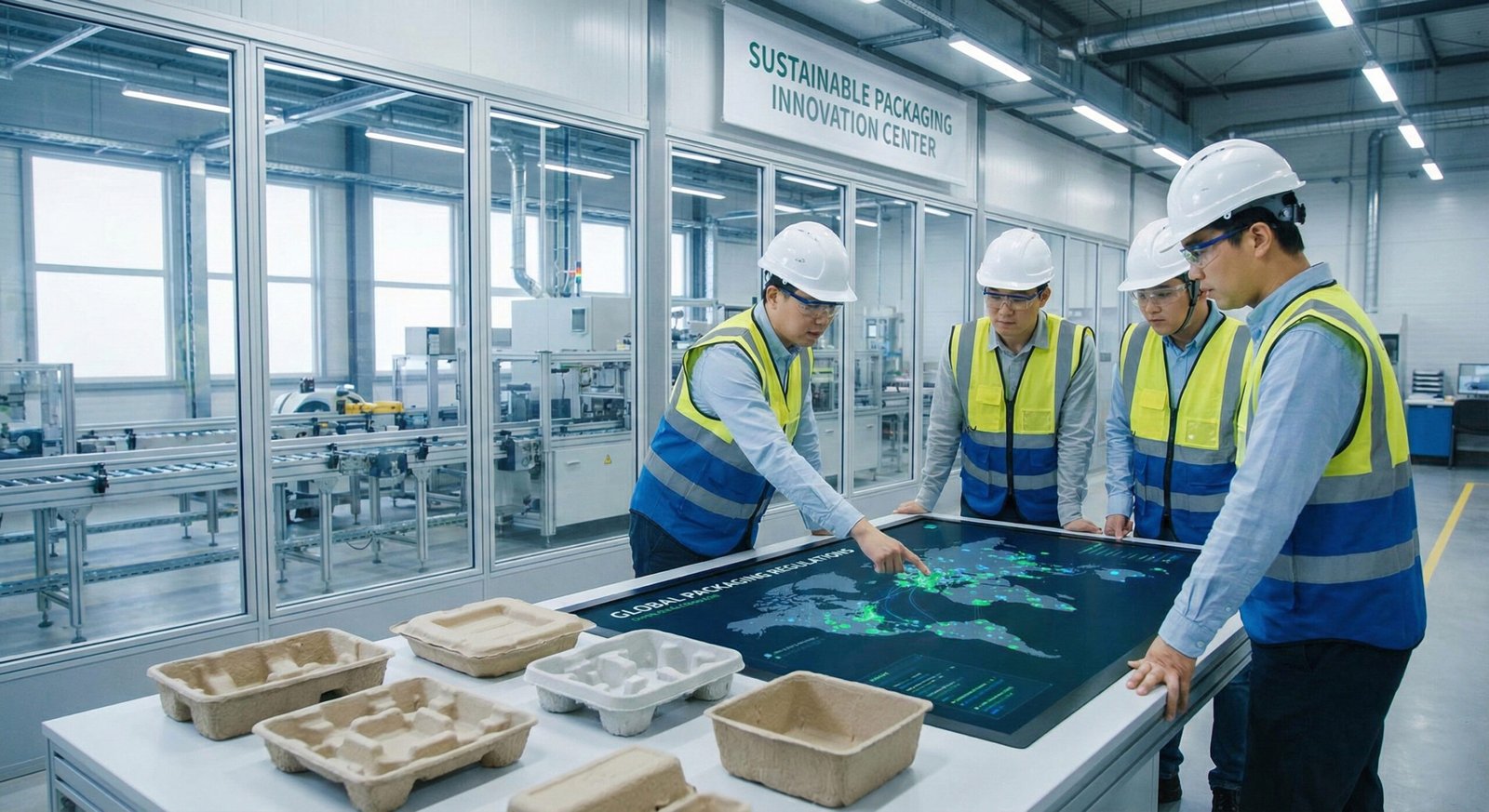
The immediate challenge for wholesalers lies in sourcing compliant products quickly and efficiently. Traditional supply chains, often reliant on plastic-heavy offerings, are now vulnerable. Working directly with a manufacturer like Gangda Packaging mitigates this risk by providing direct access to a continuously evolving portfolio of certified, sustainable paper packaging. Our extensive R&D capabilities ensure we are always ahead of regulatory curves, enabling faster adaptation for our partners.