How to Prevent Soggy Bakery Packaging: 7 Essential Strategies for Reliable Quality
📅 Dec 24, 2025
👤 Cody Kang
Bakers and retailers constantly battle soggy bakery packaging, a silent destroyer of product quality and customer satisfaction. The delicate crispness of a croissant or the firm structure of a muffin can quickly turn into a disappointing, moisture-laden mess, significantly impacting shelf life and brand reputation. This common issue arises from intricate interactions between food moisture, ambient humidity, and inadequate packaging materials. Many standard solutions fall short, leading to avoidable food waste and reduced profitability for businesses striving for excellence.
At Gangda Packaging, we understand these challenges deeply. As a global B2B manufacturer of sustainable food and retail packaging, we specialize in solutions that maintain product integrity. In this comprehensive guide, we will unveil 7 essential strategies and technical insights on how to prevent soggy bakery packaging, ensuring your products reach consumers in pristine condition. You will learn about the critical material science, design principles, and quality control measures necessary to safeguard your bakery items from moisture-related degradation.
1. The Hidden Costs of Soggy Bakery Packaging: Why Generic Solutions Fail
The market is flooded with packaging options, yet many businesses continue to face product spoilage and customer dissatisfaction due to moisture-related issues. Imagine a bustling café chain, proud of its freshly baked artisan bread. Despite careful baking, customers frequently complain about crusts turning soft and interiors becoming damp within hours. This isn’t just a minor inconvenience; it translates into significant losses from product returns, negative reviews, and a tarnished brand image.
The primary culprit behind soggy bakery packaging is moisture migration, often exacerbated by suboptimal materials. Generic packaging frequently lacks the specific properties required to effectively manage this process. Standard paper bags might be excessively porous, allowing external humidity to penetrate, or conversely, seal too tightly, trapping internal steam that condenses and saturates the paper.
Beyond structural issues, materials not specifically designed for direct food contact may lack adequate greaseproof barriers. This allows oils from baked goods to seep through, compromising the packaging’s aesthetic appeal. The lack of specialized features, such as targeted breathability or effective barrier coatings, renders these generic solutions incapable of tackling the intricate challenge of moisture control.
“Effective bakery packaging isn’t just about containment; it’s about micro-climate control. Without a precise understanding of material breathability and thermal dynamics, any packaging solution is merely a guess.”
2. 7 Critical Parameters for How to Prevent Soggy Bakery Packaging Effectively
Achieving genuinely effective packaging that actively prevents sogginess requires a multi-faceted technical approach. Gangda Packaging’s expertise lies in addressing these critical parameters through advanced material science.
Parameter 1: Material Science & Breathability Control
The choice of paper is paramount in how to prevent soggy bakery packaging. For products where controlled breathability is key, Gangda Packaging leverages specially engineered papers. Consider our Bakery & Window Bags: they feature a unique paper blend designed to allow minimal moisture vapor to escape from warm goods like baguettes, preventing internal condensation while acting as a barrier against external humidity.
For items requiring maximum steam circulation, such as dumplings, our Steamer & Dim Sum Paper utilizes a targeted perforation pattern. This design prevents moisture accumulation at the food’s surface, a common cause of soggy bakery packaging, while maintaining warmth. Furthermore, the base paper is often FSC certified, ensuring responsible sourcing. Understanding these properties is crucial, as highlighted by detailed analyses of cellulose fibers and their interaction with water vapor, often studied in accordance with ISO standards.
Items with high fat or moisture content demand robust barrier protection. Gangda’s PET Laminated Baking Cups exemplify this technology. Their interior PET coating provides exceptional resistance to heat and moisture, preventing dough from sticking and ensuring structural integrity even with liquid-rich desserts. This lamination creates a highly effective barrier, sealing in freshness and preventing moisture migration, which is a primary battle in how to prevent soggy bakery packaging.
For demanding applications, our Composite & Barrier Pouches employ multi-layer protection to create superior moisture and oxygen barriers. Ideal for extended shelf life products, the precise layering is engineered to create an impervious shield. Our certifications, including FDA and LFGB, rigorously attest to the safety and performance of these materials.
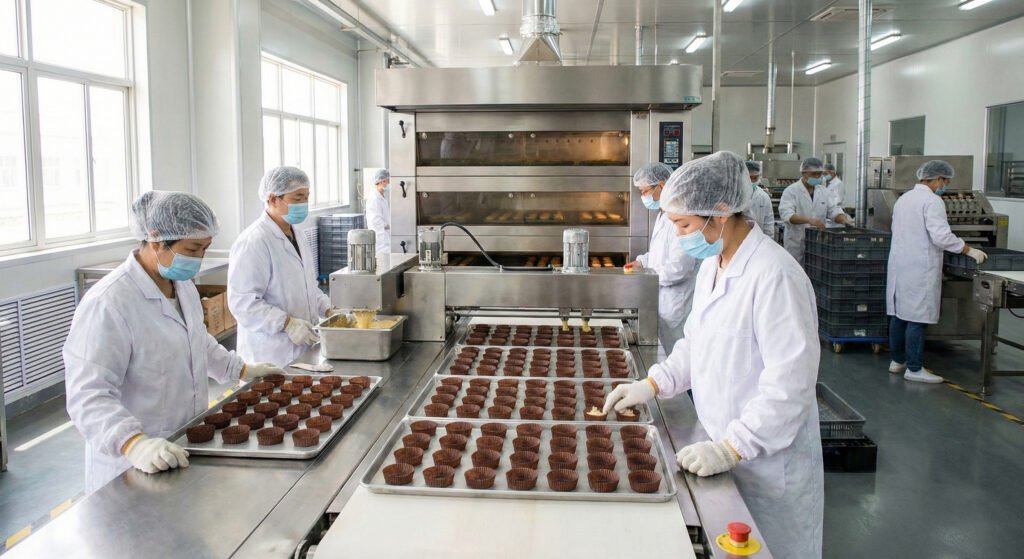
Packaging that collapses under moisture weight contributes to soggy bakery packaging. Our Rolled Rim Baking Cups are a prime example of engineered robustness. Designed with a self-standing structure, they eliminate the need for metal baking pans.
Their rigid construction is achieved through thicker paperboard and a unique rim rolling technique. This design maintains its form even with heavy batters, preventing the sides from slumping and ensuring the product retains its shape. By containing moisture effectively within its structure, these cups prevent the surrounding packaging from becoming damp, preserving the product’s presentation.
Parameter 4: Heat Management & Cooling Protocols
Thermal dynamics play a significant role in how to prevent soggy bakery packaging. Packaging warm items immediately can trap steam, causing rapid condensation. While Gangda’s Air Fryer Disposable Liners withstand high temperatures, optimal practice involves controlled cooling. Minimizing the temperature differential between the food and the surrounding air before final packaging significantly reduces internal condensation, thereby preserving crispness.
Parameter 5: PFAS-Free & Food-Safe Compliance
With regulatory scrutiny on ‘forever chemicals’ (PFAS) increasing, ensuring packaging is chemically safe is paramount. Gangda Packaging proactively sources PFAS-free alternative materials. All our products, from delicate Tulip & Lotus Muffin Wraps to versatile Parchment Baking Paper, comply with stringent global standards.
Our adherence to certifications like FDA and BRCGS is a testament to our commitment to using only safe, non-migrating components. This protects both consumers and your brand from regulatory non-compliance, ensuring that our solutions for how to prevent soggy bakery packaging are unequivocally safe.
Parameter 6: Custom Printing & Ink Safety
Branding must never compromise safety. Gangda offers custom printing (OEM/ODM) using food-grade safe soy inks for products like Standard Carrier Bags and Luxury & Gift Paper Bags. Unlike petroleum-based inks, our soy formulas are low-migration and odorless, preventing any transfer of taste or chemicals. This ensures that while your logo stands out, the flavor of your baked goods remains unaffected—a crucial aspect of how to prevent soggy bakery packaging without side effects.
Environmental responsibility plays a crucial role in B2B decisions. Our commitment to FSC certification ensures raw materials are sourced from sustainably managed forests, aligning with our plastic replacement solutions. Furthermore, our manufacturing operates under BRCGS and ISO 9001 systems, ensuring hygiene and quality. This holistic approach means Gangda delivers solutions that are effective in how to prevent soggy bakery packaging while contributing to a greener supply chain.
Comparison Table: Generic vs. Gangda Factory Standard
Feature
Generic Market Standard
Gangda Packaging Factory Standard
Grease Resistance
Minimal; prone to stains
High; Greaseproof & Hot Food Bags prevents leaks
Moisture Barrier
Poor; rapid condensation
Excellent; PET Laminated Baking Cups resist moisture
Structural Rigidity
Weak; collapses easily
Superior; Rolled Rim Baking Cups are self-standing
3. Sourcing Premium How to Prevent Soggy Bakery Packaging Directly from a Certified Factory
Partnering directly with Gangda Packaging offers unparalleled advantages in overcoming packaging challenges.
Consultation & Design: We analyze your product’s moisture content and shelf life goals. This informs the optimal material selection, crucial for effectively addressing how to prevent soggy bakery packaging. We leverage our OEM/ODM capabilities to translate needs into technical specifications.
Material Selection & Prototyping: We select from certified materials. If battling condensation, we propose Steamer & Dim Sum Paper; for grease, Greaseproof & Hot Food Bags. Prototypes are provided for real-world testing.
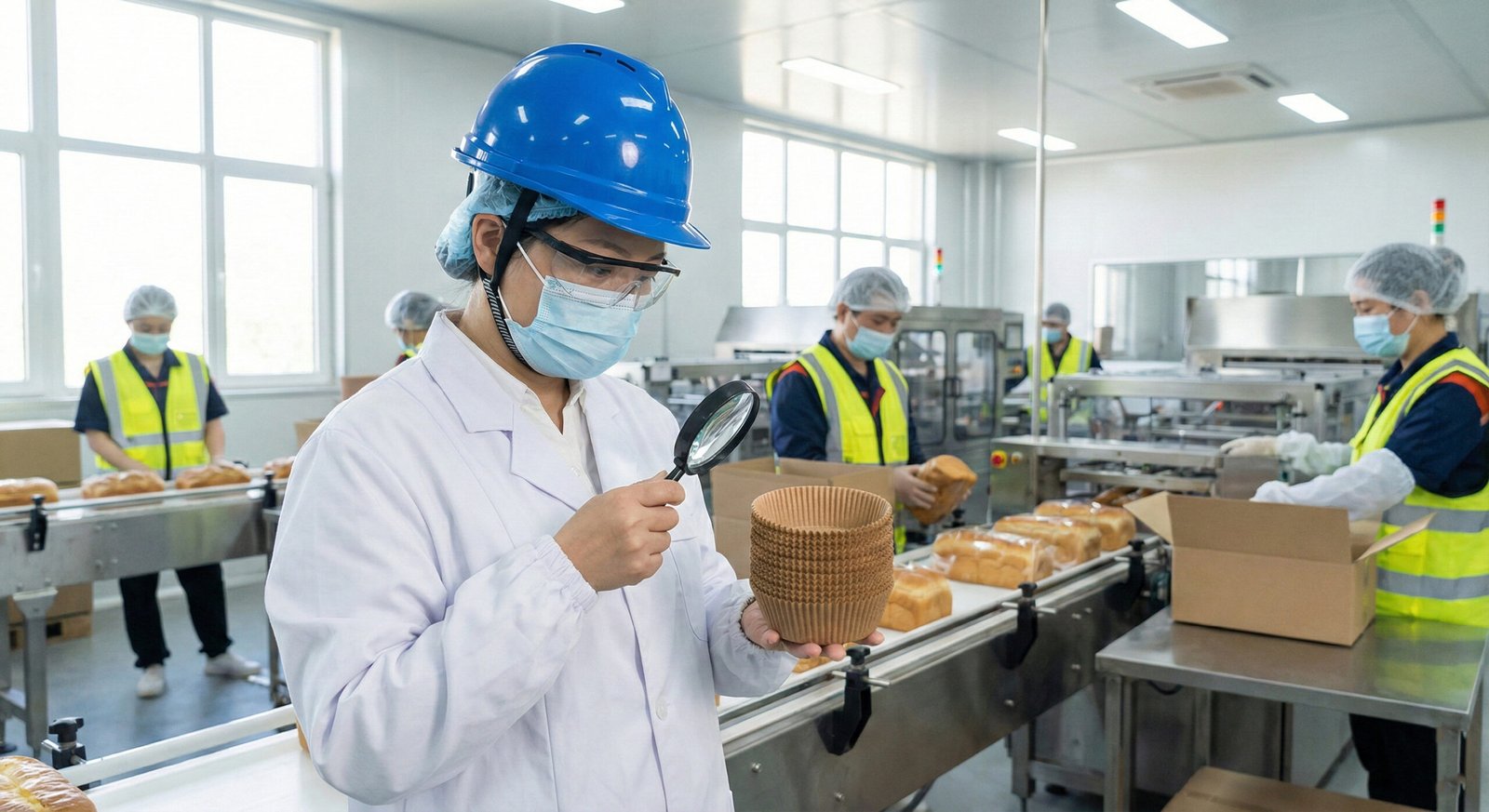
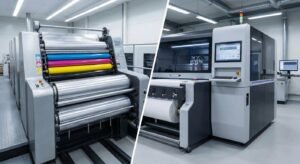
Rigorous Testing: Every design undergoes MVTR and grease resistance testing in our facility, aligned with FDA and LFGB standards. Our dust-free workshop ensures hygienic production.
Custom Printing: With 20+ production lines, we offer custom printing using safe soy inks, enhancing market appeal without compromising integrity.
Quality Control: From raw materials to finished goods, our ISO 9001 system ensures traceability. This meticulous detail ensures we consistently tackle soggy bakery packaging challenges.
Sustainable Production: As an FSC and BSCI audited manufacturer, we guarantee environmentally sound and ethically responsible practices.
Case Study: Extending Shelf Life for a Muffin Producer
A large industrial bakery faced issues with muffins developing soggy bottoms after 24 hours. Trapped condensation in inadequate liners degraded quality. Gangda Packaging recommended Rolled Rim Baking Cups for structural rigidity and PET Laminated Baking Cups for premium lines.
After implementation, the bakery observed a 40% reduction in spoilage. The muffins maintained their texture, and the self-standing cups eliminated the need for metal trays. This tangible improvement directly addressed the core challenge of how to prevent soggy bakery packaging at an industrial scale.
4. Conclusion: Partnering for Pristine Bakery Products
Battling soggy bakery packaging demands a deep understanding of material science. From selecting breathable materials to implementing food-safe printing, each parameter is crucial.
Gangda Packaging’s commitment to certifications like FDA, FSC, LFGB, ISO 9001, BRCGS, and BSCI, coupled with our 20+ production lines, positions us as a leader in sustainable packaging. Contact us for a custom quote or free sample kit today to discover precisely how to prevent soggy bakery packaging in your operations.