How to Identify High-Quality Standard Baking Cups: 7 Critical Factors for Safe Baking
📅 Jan 07, 2026
👤 Cody Kang
In the competitive world of commercial baking, the smallest components can significantly impact product quality, operational efficiency, and ultimately, brand reputation. Choosing the right High-Quality Standard Baking Cups is not merely a matter of aesthetics; it’s a technical decision that affects food safety, baking performance, and consumer perception. Many procurement managers and bakery owners face the challenge of distinguishing between genuinely superior products and those that promise much but deliver little, often leading to costly failures and compromised end products.
This guide is engineered for discerning B2B buyers, wholesalers, and bakery chain managers. It goes beyond surface-level comparisons to equip you with the technical expertise needed to identify and procure baking cups that truly meet rigorous industry standards. Understanding the core technical parameters is crucial to making informed decisions that safeguard your investment and enhance your product line.
In this guide, you will learn:
The devastating consequences of opting for low-quality baking cups.
The essential technical parameters that define a superior baking cup.
How specific material properties impact baking performance and food safety.
The critical differences between generic market offerings and premium factory standards.
Practical strategies for sourcing High-Quality Standard Baking Cups directly from a reputable manufacturer.
1. Low-Quality Baking Cups – The Common Market Trap
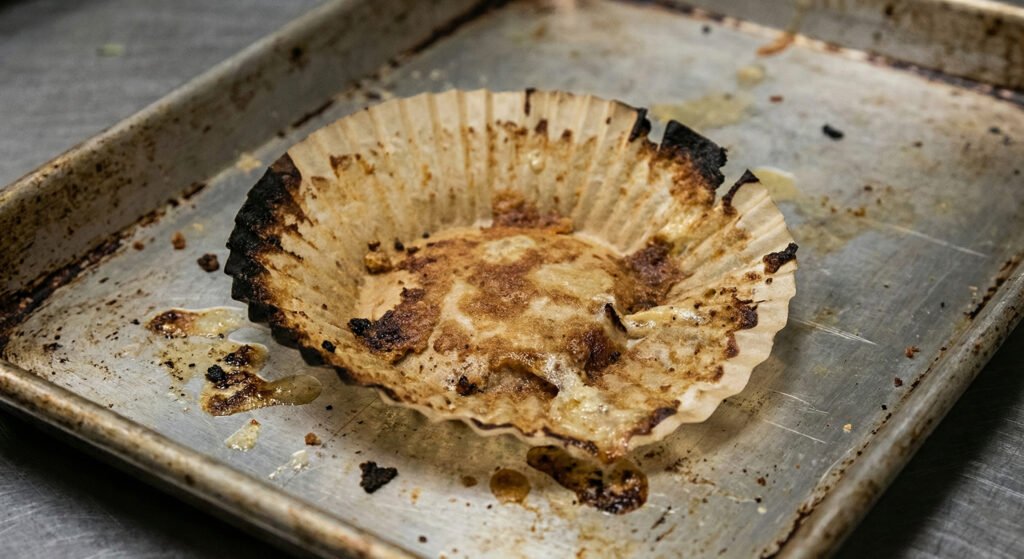
Imagine a bustling bakery, production lines humming, ovens filled with promising batches of muffins or cupcakes. Suddenly, a batch emerges, not perfectly formed and golden, but with collapsed sides, grease stains bleeding through the paper, and some even stuck stubbornly to the baking tray. This common nightmare is a direct consequence of using low-quality baking cups – a trap many businesses fall into, often lured by deceptively low unit costs.
Generic, mass-produced baking cups often cut corners on material quality and manufacturing processes. They might use thinner paper, inferior coatings, or non-food-grade adhesives. While the initial purchase price seems attractive, the hidden costs quickly accumulate through product wastage, rework, customer complaints, and potential brand damage. These products are simply not engineered to withstand the rigors of commercial baking environments, where consistency and reliability are paramount.
The technical root cause of these failures lies in a fundamental misunderstanding, or intentional disregard, of material science. Cheap cups lack the structural integrity to support expanding batter, the grease resistance to prevent seepage, and the chemical inertness to ensure food safety. They are designed for minimal cost, not maximum performance or safety.
“In packaging engineering, compromise on core material properties for cost savings in food contact applications is not just a commercial risk; it’s a food safety liability. We build our High-Quality Standard Baking Cups with an unwavering focus on certified materials and precise manufacturing tolerances to prevent such catastrophic failures.” – Chief Engineer, Gangda Packaging
2. 7 Critical Parameters for High-Quality Standard Baking Cups
Selecting High-Quality Standard Baking Cups requires a keen eye for specific technical specifications. These parameters dictate a cup’s performance, safety, and overall reliability under various baking conditions. Understanding these factors is key to differentiating true quality from mere claims.
1. GSM (Grams per Square Meter) – The Foundation of Strength
GSM, or grams per square meter, is a fundamental metric indicating the paper’s weight and thickness. For baking cups, a higher GSM directly translates to increased material density, strength, and structural integrity. Lower GSM papers, typical in the low-end market, result in flimsy cups that easily buckle under the weight of batter or during the thermal expansion of baking. This leads to misshapen baked goods and compromised presentation.
A robust GSM ensures that the baking cup maintains its form throughout the baking cycle, providing critical support to the delicate batter. This enhanced stability is essential for achieving consistent product shapes, which is a hallmark of professional baking.
2. Kit Level – The Unseen Shield Against Grease
The Kit Level is a crucial parameter measuring a paper’s resistance to grease penetration. In essence, it quantifies how well the paper prevents oils and fats from seeping through. For High-Quality Standard Baking Cups, a superior Kit Level is non-negotiable. Without adequate grease resistance, cups will quickly become saturated, turning translucent, discolored, and ultimately failing to protect the baked item or the baking tray.
A high Kit Level ensures that the baking cup remains aesthetically pleasing and functional, even with high-fat batters. This not only preserves the clean appearance of your products but also facilitates easy release, preventing baked goods from sticking to the cup or the pan.
3. Bursting Strength – Withstanding the Pressure
Bursting strength refers to the maximum pressure a paper can withstand before rupturing. This parameter is incredibly important for baking cups, which are subjected to significant internal pressure as batters expand and steam generates during baking. A low bursting strength can lead to cups tearing or splitting, causing batter to leak out and baked goods to deform.
High-Quality Standard Baking Cups are engineered with a bursting strength that comfortably accommodates the internal forces of rising batters, ensuring the cup’s integrity throughout the entire baking process. This prevents unsightly cracks and maintains the product’s intended form.
4. Cobb Value – Mastering Moisture Resistance
The Cobb Value measures the amount of water absorbed by paper in a given time. For baking cups, a low Cobb Value signifies excellent water resistance, a critical attribute for preventing moisture from the batter from soaking into the paper. Cups with a high Cobb Value absorb too much moisture, leading to softening, weakening, and potential adherence to the baked product.
Superior baking cups exhibit low Cobb values, effectively creating a barrier against moisture. This prevents the paper from becoming soggy, maintains structural rigidity, and ensures easy separation from the baked item, contributing to a cleaner, more appealing finish.
5. PE Coating / Other Barrier Layers – The Protective Barrier
Many High-Quality Standard Baking Cups, especially those designed for high-moisture or high-fat applications, incorporate a PE (Polyethylene) coating or other specialized barrier layers. This coating provides an additional, robust layer of protection against both grease and moisture. However, the quality of this coating varies dramatically. Low-end products may use thin, uneven, or even non-food-grade coatings, which can melt at high temperatures, release odors, or contain harmful chemicals. Some even use outdated paraffin wax coatings that are unsuitable for high heat.
Premium cups utilize food-grade, virgin PE coatings that are thick, uniform, and stable under baking temperatures. Many advanced manufacturers are also adopting eco-friendly PLA coatings or developing PFAS-free (per- and polyfluoroalkyl substances) alternatives to address growing health and environmental concerns. These coatings ensure superior non-stick properties, leak prevention, and are critical for upholding food safety standards. According to the U.S. Food and Drug Administration (FDA) regulations, all materials that come into contact with food must be safe for their intended use. This includes any coatings applied to baking cups.
6. Adhesive – The Invisible Bond of Safety
While often overlooked, the adhesive used to form the baking cup plays a vital role in its integrity and safety. Inferior cups may use cheap, non-food-grade adhesives, or excessive amounts, which can decompose under heat, potentially migrating into the food or emitting unpleasant odors. Such adhesives compromise both product safety and the sensory experience.
High-Quality Standard Baking Cups are assembled using FDA or EU-approved food-grade adhesives, applied with precision to ensure strong seams without unnecessary chemical exposure. This ensures that the cup maintains its structural form throughout baking and does not introduce any harmful substances or off-flavors to the food.
7. Fiber Material – The Core of Purity and Sustainability
The very fiber from which the paper is made forms the foundation of the baking cup’s quality. Low-end cups frequently incorporate a high percentage of recycled fibers that may not be thoroughly processed, potentially containing impurities, heavy metals, or chemical residues from their previous life cycle. This poses significant risks for food contact applications.
Premium High-Quality Standard Baking Cups, such as Standard Baking Cases from Gangda Packaging, are predominantly made from 100% virgin wood pulp. This ensures maximum purity, strength, and consistency. Furthermore, sourcing from FSC (Forest Stewardship Council) certified forests guarantees that the paper comes from responsibly managed sources, aligning with global sustainability goals. This commitment to virgin, certified fiber material is not just about environmental responsibility; it’s a direct reflection of a manufacturer’s dedication to product safety and performance.
Here’s a comparison between low-end market standards and high-end factory standards for these critical parameters:
Metric (Parameter)
Low-End Market Standard
High-End Factory Standard
GSM
< 200 GSM (e.g., 150-180 GSM)
250-340 GSM or higher (e.g., Gangda’s standard paper liners often start from 250 GSM for robust applications, up to 340 GSM for rolled rim cups.)
Kit Level
Kit 1-3 (or unspecified, poor actual performance)
Kit 7-12 (achieved through high-quality Glassine or silicone-coated parchment paper, preventing any grease bleed-through even in challenging recipes).
Bursting Strength
< 2.0 kg/cm²
> 3.5 kg/cm² (Ensures cups maintain form under batter expansion and steam pressure, preventing structural collapse during baking.)
Cobb Value
> 25 g/m² (high water absorption)
< 10 g/m² (indicating high water resistance, critical for preventing sogginess and ensuring clean release from baked goods).
PE Coating
Thin, uneven, potentially non-food-grade PE or paraffin wax; may contain BPA/PFAS.
Thick, uniform, food-grade virgin PE coating; or eco-friendly PLA; increasingly PFAS-Free, ensuring a safe, non-stick, and high-temperature stable barrier.
Adhesive
Cheap, non-food-grade, or excessive application; potential for off-gassing or chemical migration.
FDA/EU approved food-grade adhesive, precisely applied to ensure structural integrity without compromising food safety or taste.
Fiber Material
High percentage of recycled fibers, often untreated or with impurities; non-FSC certified.
100% virgin wood pulp, typically FSC certified, ensuring purity, strength, and sustainability without harmful chemical residues. Gangda Packaging’s commitment to FSC certification is a testament to this standard.
3. How to Source High-Quality Standard Baking Cups Directly from a Factory
Sourcing High-Quality Standard Baking Cups directly from a reputable manufacturer offers significant advantages over intermediary suppliers. It allows for greater transparency, customization, and quality control. By partnering directly, you can ensure that your specific needs are met with precision and adherence to the highest standards.
Here are the critical steps for sourcing effectively:
Verify Certifications: Always check for relevant food safety and quality certifications. For Gangda Packaging, these include FDA, FSC, LFGB, ISO 9001, BRCGS, and BSCI. These certifications are not just badges; they represent a rigorous commitment to international standards in food contact safety, sustainable sourcing, and quality management. ISO 9001 certification, for instance, confirms that a factory operates a robust quality management system, ensuring consistent product quality. More information can be found at the International Organization for Standardization (ISO) website.
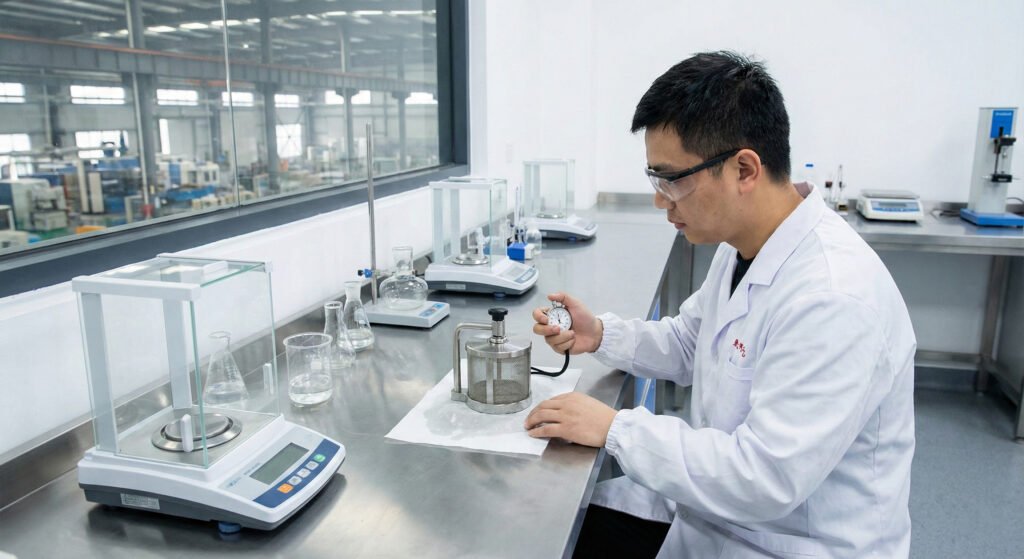
Request Technical Data Sheets (TDS): A reliable manufacturer will readily provide detailed Technical Data Sheets for their products, outlining parameters like GSM, Kit Level, Bursting Strength, and Cobb Value. Compare these against your specific requirements and industry benchmarks.
Insist on Sample Testing: Before committing to a large order, request a sample kit and conduct your own rigorous tests. Bake with them, observe their performance, and assess for grease resistance, structural integrity, and ease of release.
Inquire About Material Sourcing: Ask about the origin of their fiber materials and coatings. Confirm the use of virgin pulp and food-grade barriers. A commitment to transparency in sourcing is a strong indicator of a high-quality supplier.
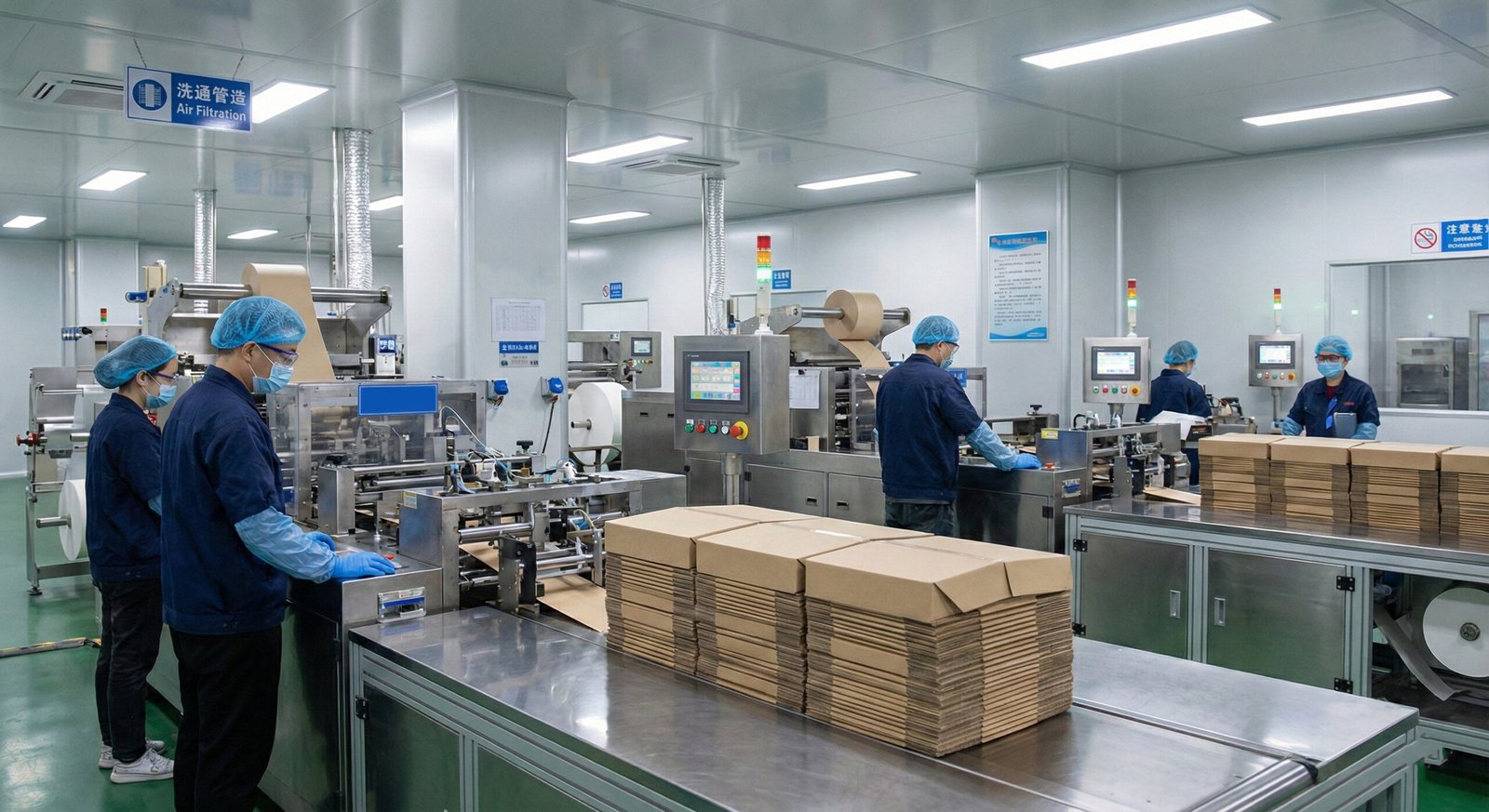
Discuss Customization Capabilities: A leading factory should offer custom printing (OEM/ODM) to allow for brand integration. This ensures your High-Quality Standard Baking Cups not only perform well but also serve as an extension of your brand identity. Gangda Packaging’s factory highlights include custom printing with 20+ production lines and dust-free workshops, allowing for bespoke solutions.
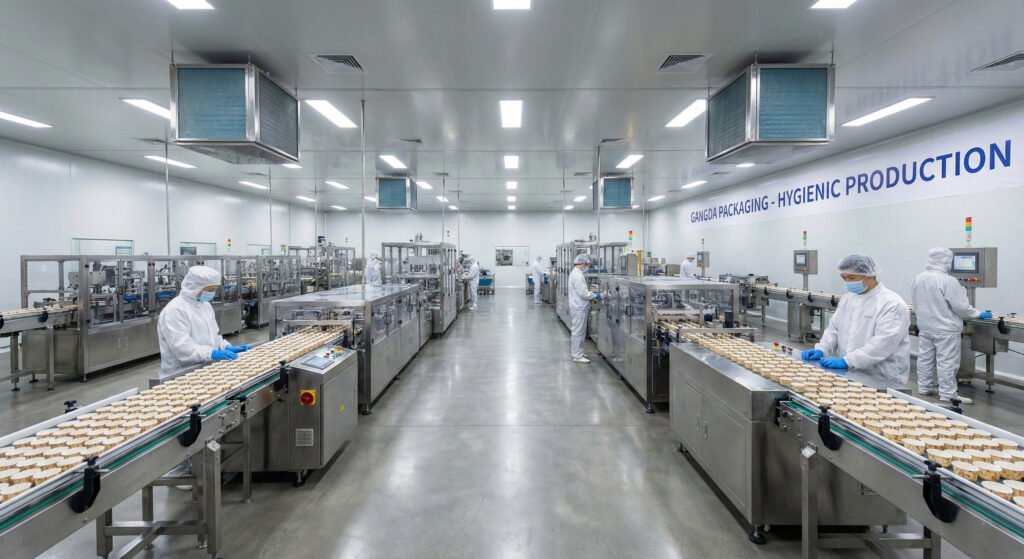
Assess Factory Infrastructure: Understand the manufacturing environment. Features like dust-free workshops and advanced production lines, as found at Gangda Packaging, are crucial for maintaining hygiene and product consistency, particularly for direct food-contact items.
Review Quality Control Protocols: A robust quality assurance process, from raw material inspection to final product testing, is essential. Understand their in-house testing capabilities and how they ensure batch-to-batch consistency.
4. Conclusion: Elevating Your Baking with Engineered Excellence
The choice of baking cups, seemingly minor, holds immense power over your commercial baking operations. Opting for High-Quality Standard Baking Cups is not an extravagance; it is a strategic investment in product consistency, food safety, brand reputation, and operational efficiency. By prioritizing technical parameters such as GSM, Kit Level, Bursting Strength, Cobb Value, and the integrity of coatings, adhesives, and fiber materials, you can safeguard your production and delight your customers.
Gangda Packaging stands as a global B2B manufacturer committed to sustainable food and retail packaging. Our extensive range of baking liners and molds, including our High-Quality Standard Baking Cups, are engineered with precision and backed by certifications like FDA, FSC, LFGB, ISO 9001, BRCGS, and BSCI. We believe in transparency and data-driven quality.
Don’t let inferior packaging undermine your culinary creations. Elevate your standards and ensure every baked good leaves your kitchen in perfect form and pristine condition. Contact our engineers today for a custom quote or a free sample kit to experience the Gangda Packaging difference.