

The Complete Guide to Air Fryer Disposable Liners
Apr 03, 2026
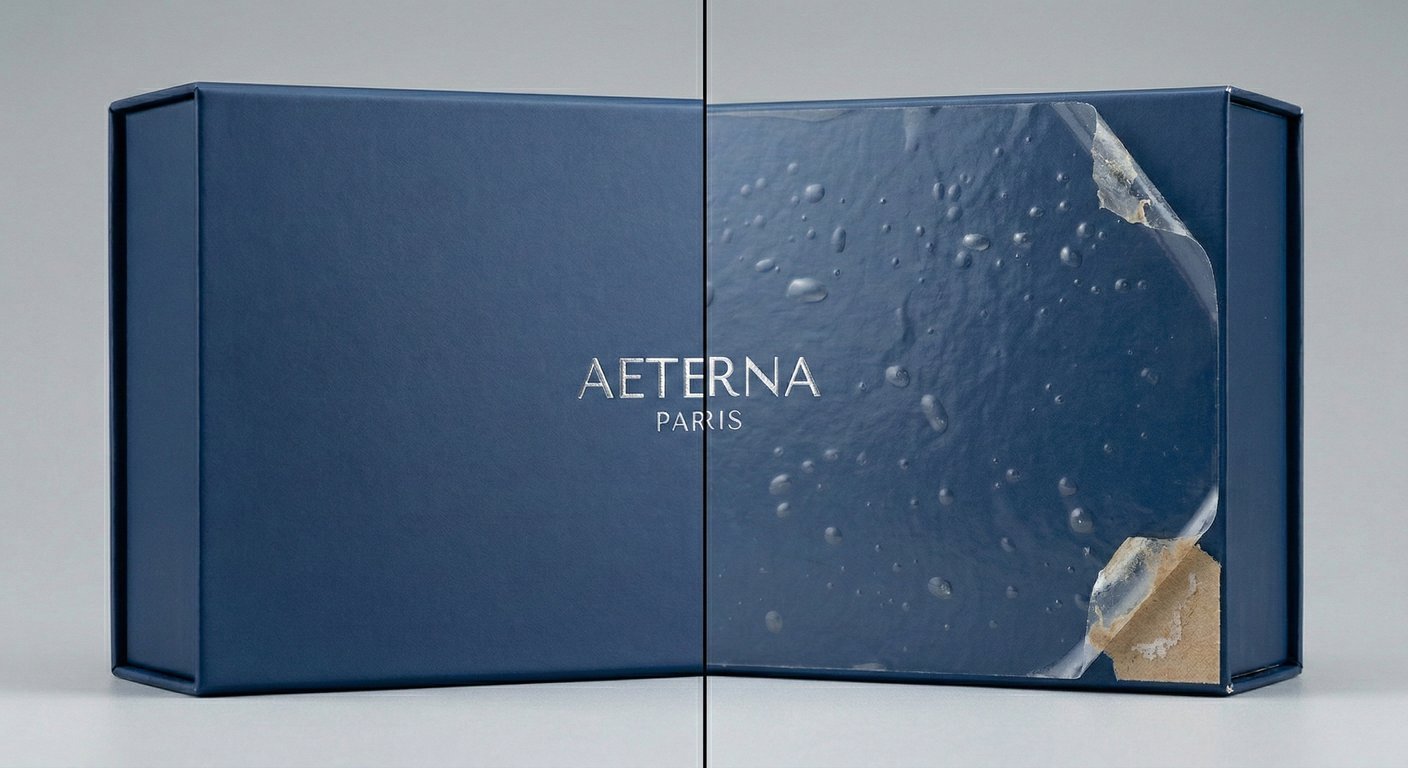
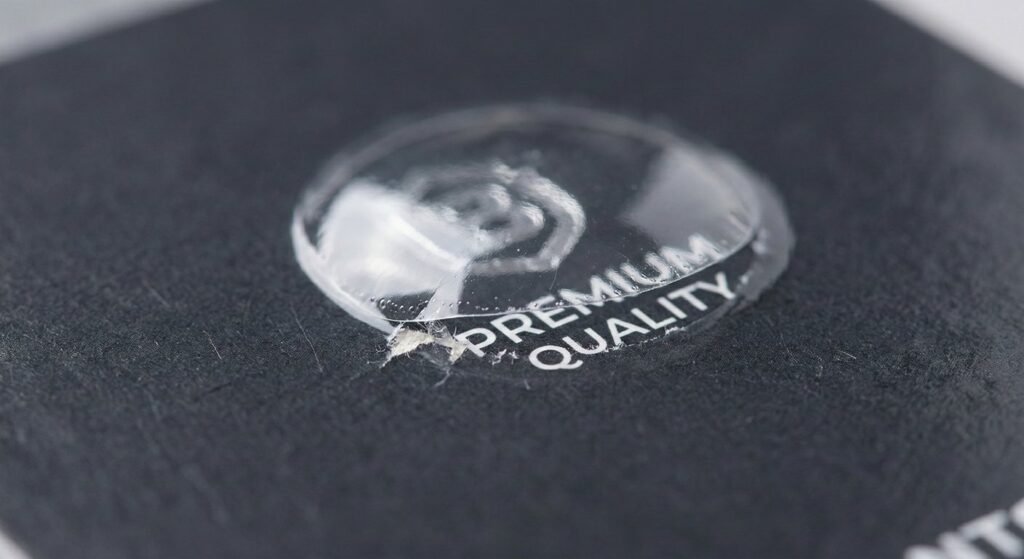
For luxury packaging brands, few things are as frustrating as discovering lamination bubbling after a production run. This defect, characterized by small pockets of air or gas trapped between the plastic film and the paper substrate, can ruin the visual appeal of a brand and compromise the structural integrity of the box. Whether you are using thermal or cold lamination, understanding the underlying physics of this issue is critical to maintaining high quality-control standards in post-press processing.
At its core, lamination bubbling is a failure of adhesion. This failure typically stems from three main variables: moisture, temperature, and chemical compatibility. When the bond between the film and the substrate is weaker than the internal pressure of trapped air or vapor, bubbles form.
According to the principles of Lamination technology, the substrate must be sufficiently dry and smooth to allow the adhesive to create a molecular bond. If the paper or cardboard has a moisture content exceeding 8-10%, the heat from the lamination rollers turns that moisture into steam. This steam has nowhere to go but up, pushing the film away from the paper and creating unsightly blisters.