The global packaging industry is at a critical inflection point. Driven by escalating regulatory pressure, shifting consumer expectations, and material innovation, the future of packaging is fundamentally defined by sustainability. This transformation requires industry players to move beyond compliance and embrace systemic change, focusing on circularity, high-quality material selection, and functional performance.
At Gangda, we pride ourselves on being at the forefront of these trends, offering eco-friendly, customizable packaging solutions that not only meet but exceed industry standards. Let’s take a closer look at the key trends shaping the packaging landscape in 2025.
1. The Imperative for Change: Market & Policy Drivers
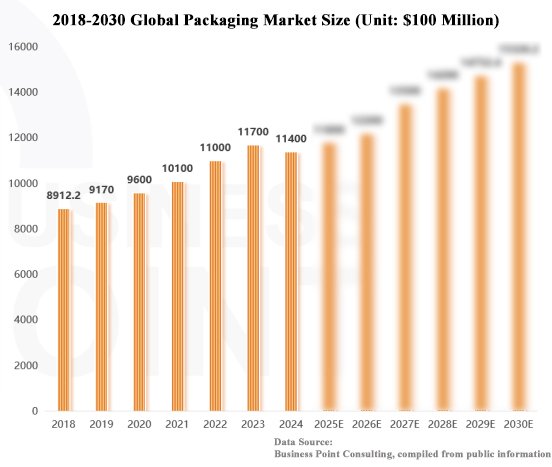
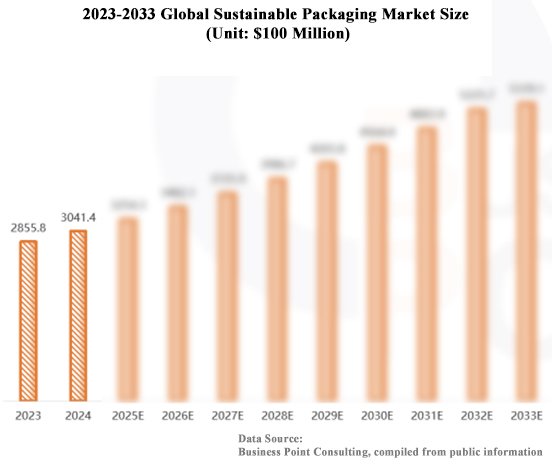
The market growth for sustainable packaging is outpacing the broader industry. The global packaging market is set to reach $1.53 trillion by 2030, with the environmental packaging segment expected to soar to $533.91 billion by 2033. This massive growth signals that eco-friendly solutions are no longer optional—they are a core competitive necessity.
1. The Regulatory “Jungle” and EPR
Global policies, particularly Extended Producer Responsibility (EPR) laws, are reshaping the financial and logistical responsibility of packaging waste. These regulations are tightening the definition of “recyclable,” favoring mono-materials that can be efficiently processed. Non-compliant, complex packaging structures face rapid obsolescence. Compliance is the new baseline for market entry.
2. The Consumer Demand for Trust
While cost and shelf-life remain primary consumer concerns, environmental attributes are crucial for brand reputation. Consumers are demanding transparency and clear, demonstrable environmental benefits. Brands must adopt a stance of “material responsibility,” moving away from theoretical recyclability to solutions that guarantee proven circulation.