

Complete Guide to Corrugated Flute Types: E, B, and BC Explained
Feb 17, 2026
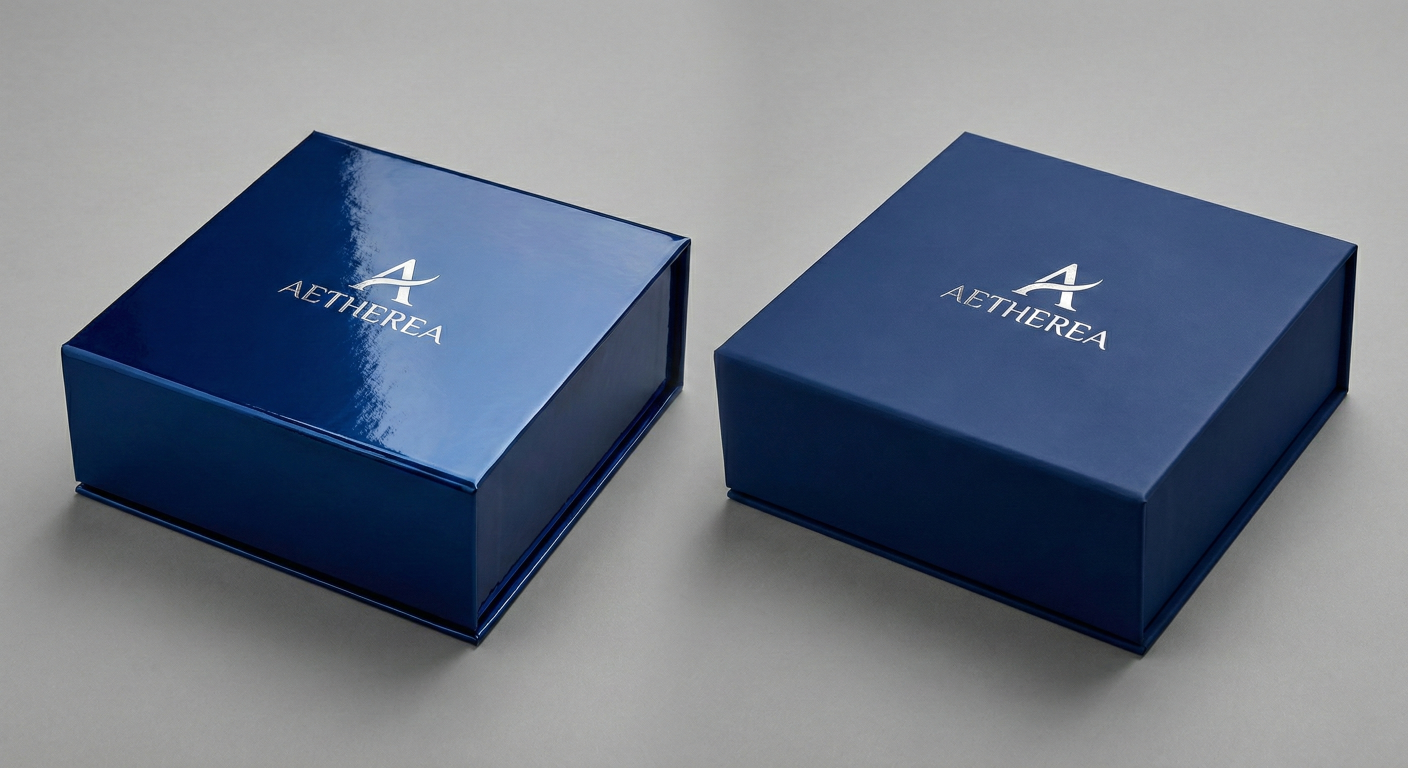
Choosing between Matte vs Gloss Lamination is often the very first technical decision a brand manager makes when designing custom packaging, and for good reason. The finish doesn’t just affect how the box looks; it changes how the box feels, how it handles scratches during shipping, and how your colors appear to the customer.
As a B2B buyer, you need to know: Will my black box show fingerprints? Will the gloss look “cheap” on a luxury item? In this guide, we will break down the differences and introduce you to 5 distinct lamination effects to help you make the right choice for your brand.
At Gangda Packaging, we apply lamination by bonding a thin plastic film to the paper surface. While both provide protection against moisture and tearing, their visual impact is opposites.
Gloss lamination is highly reflective. It mimics the look of a glossy magazine cover.
Matte lamination has a non-reflective, “flat” finish. It is currently the industry standard for luxury goods.