

Complete Guide to Corrugated Flute Types: E, B, and BC Explained
Feb 17, 2026
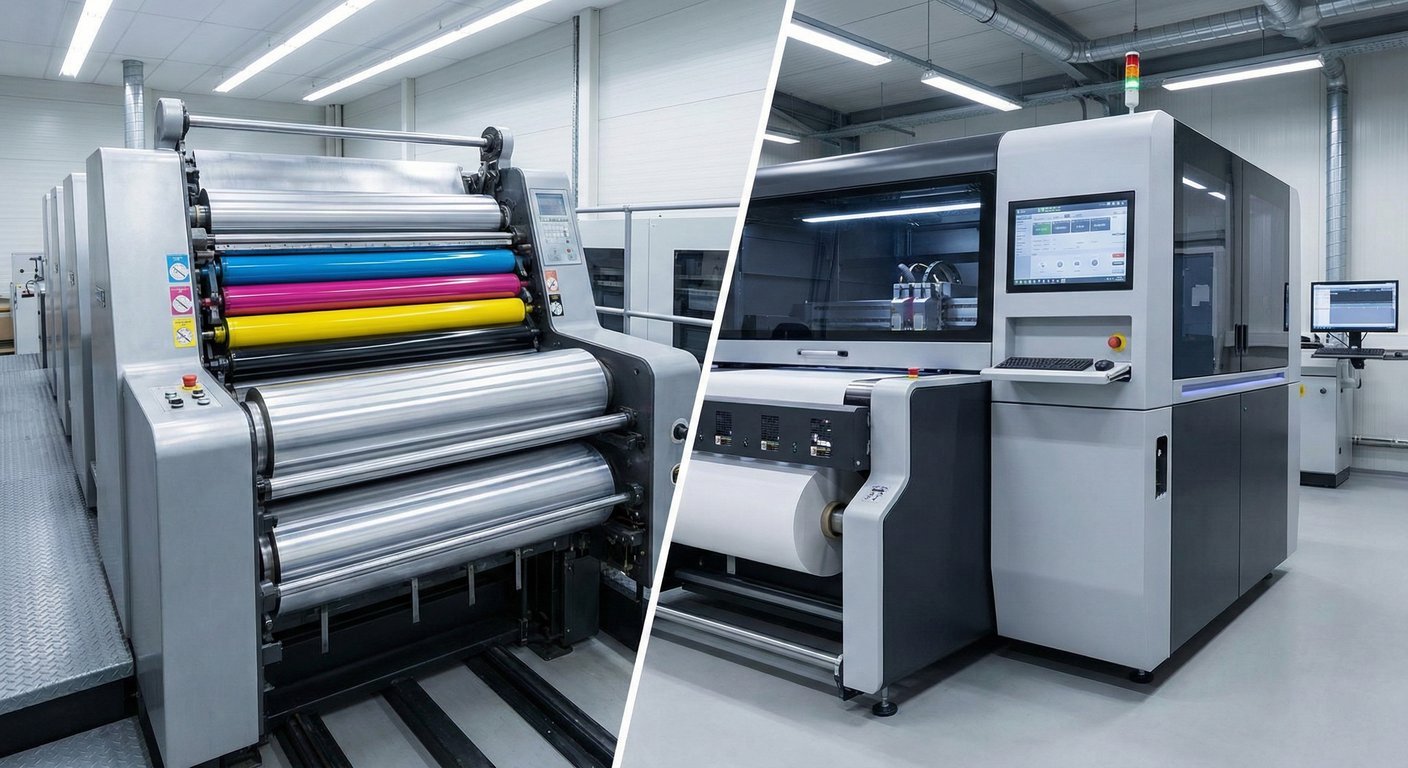
Choosing the right production method is one of the most critical decisions a brand makes when launching a new product. The debate of offset vs digital printing is not just about ink on paper; it is a strategic choice that impacts your unit cost, turnaround time, and final shelf appeal. Whether you are scaling up production or testing a limited run, understanding the mechanics and economics of these two technologies is essential for maximizing your packaging budget.
To make an informed decision, you first need to understand how the ink actually reaches the packaging material.
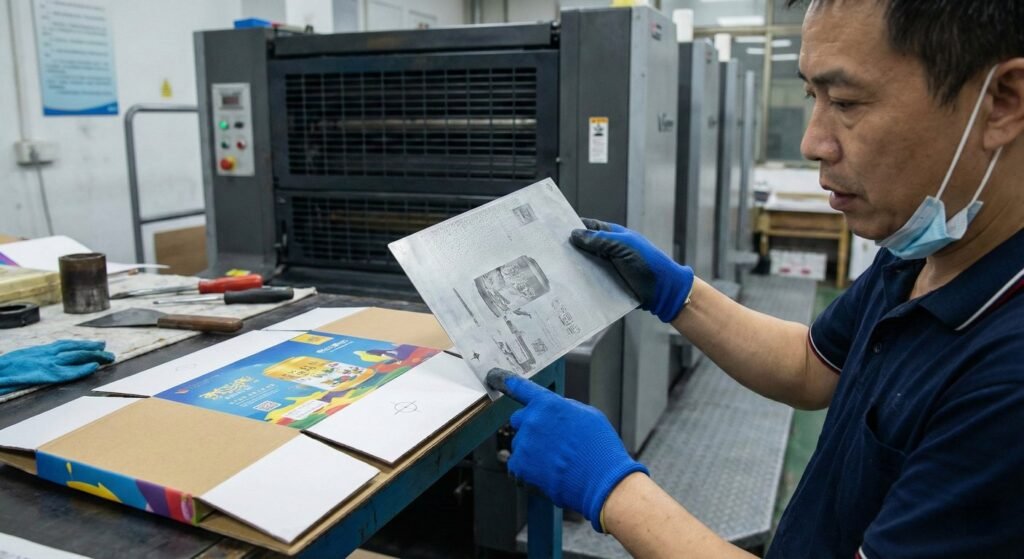
Offset Printing (Lithography) is the traditional powerhouse of the printing world. It utilizes aluminum plates to transfer an image onto a rubber “blanket,” which then rolls that image onto the sheet of paper or board. It is called “offset” because the ink is not transferred directly from the plate to the paper. This method allows for extreme precision and high-volume consistency. You can learn more about the technical history of Offset Lithography to understand why it remains the industry standard for mass production.
Digital Printing, conversely, eliminates the mechanical steps. It functions similarly to your office laser or inkjet printer but on a massive industrial scale. There are no plates or rubber blankets; the digital files are sent directly to the press, which applies toner or liquid ink directly to the material. This removal of manual setup is the primary driver behind the differences in offset vs digital printing.