

The Complete Guide to Air Fryer Disposable Liners
Apr 03, 2026
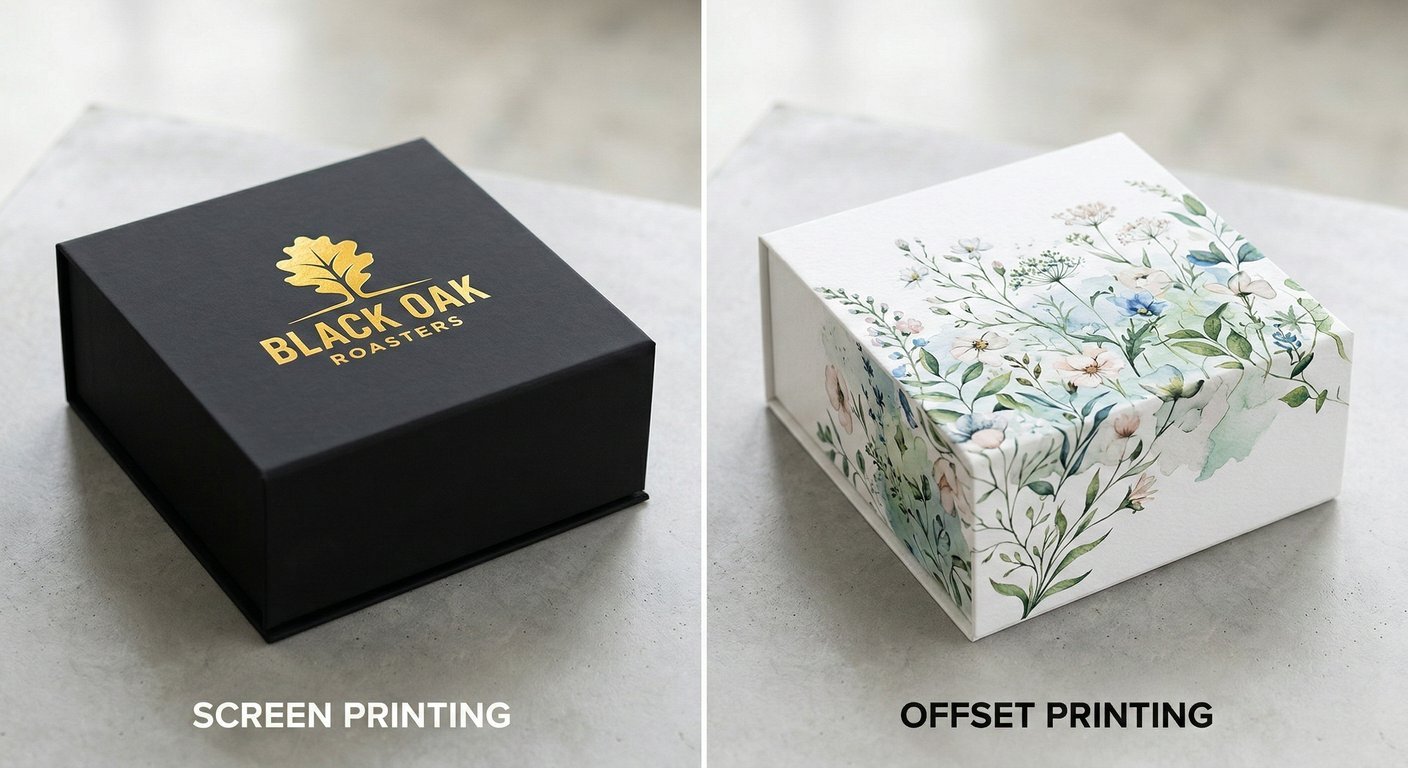
When choosing the right decoration method for premium packaging, the debate often comes down to silk screen printing vs offset printing. Each method offers distinct advantages depending on your substrate, budget, and design complexity. Whether you are branding luxury gift boxes or industrial plastic containers, understanding these mechanical differences is essential for achieving a professional finish without overspending.
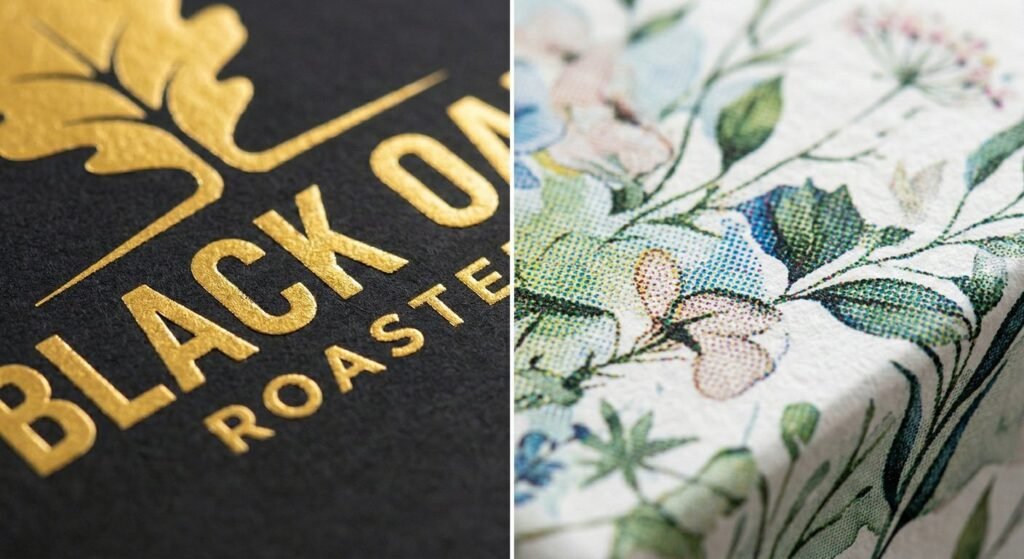
Silk screen printing, also known as serigraphy, involves pushing thick ink through a stenciled mesh screen directly onto the surface of the product. This results in a thick, tactile layer of ink that is incredibly durable. On the other hand, offset printing uses a series of rollers (usually CMYK) to transfer an image from a metal plate to a rubber blanket, and finally onto the substrate.
According to the history of printing, offset technology revolutionized mass production, whereas screen printing remains the king of versatility for non-flat surfaces. While offset is restricted mostly to paper and thin cards, screen printing can be applied to wood, metal, glass, and heavy fabrics.