
PPWR Paper Packaging Compliance: 3 Critical Shifts for Urgent Adaptation by August 2026
Jan 04, 2026
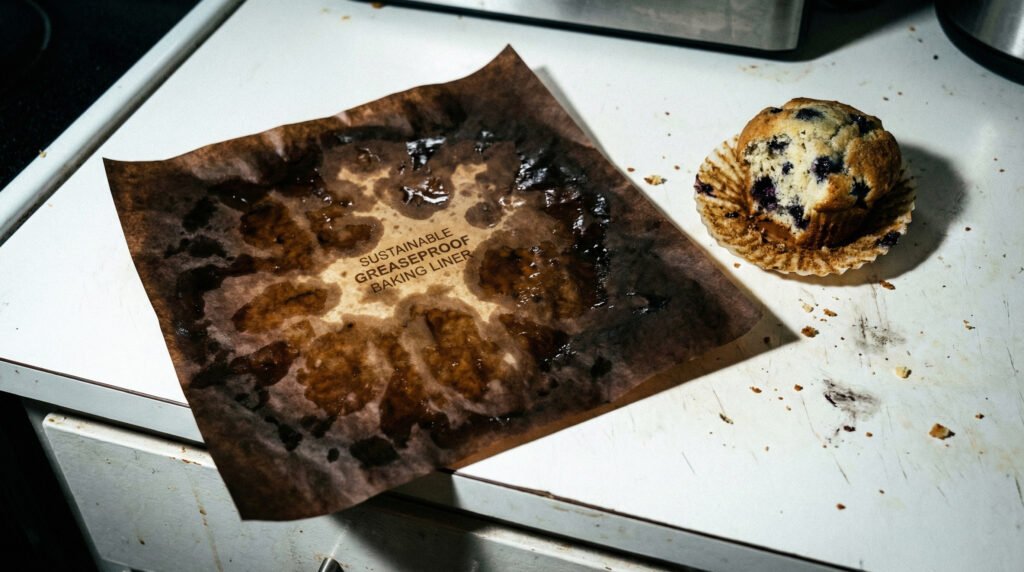
The aroma of freshly baked goods is an invitation, but often, the first point of contact—the packaging—becomes an immediate disappointment. For wholesalers, distributors, and bakery chains, the sight of a beautiful muffin or cupcake marred by a grease-stained, collapsing paper liner is more than just an aesthetic flaw; it’s a direct hit to brand perception and profitability. This pervasive problem stems from a fundamental misunderstanding of packaging engineering, particularly when it comes to the complex demands placed on sustainable greaseproof baking liners. In a market increasingly driven by global plastic bans and consumer calls for genuinely eco-friendly solutions, settling for generic, non-optimized packaging is a gamble no business can afford. The problem is vivid: a customer picks up a seemingly perfect pastry, only for grease to seep through the liner, staining their fingers and the packaging itself, transforming anticipation into instant regret. This isn’t just an inconvenience; it’s a breakdown in trust, leading to negative reviews, reduced repeat business, and a tangible financial loss in an industry where margins are already tight. Gangda Packaging, as a global B2B manufacturer, understands that truly effective and sustainable greaseproof baking liners require a deep dive into material science, production precision, and rigorous quality control – areas where trading companies simply cannot compete. The stakes are too high to leave your brand’s integrity to chance.
Why do so many seemingly “greaseproof” liners fall short, particularly those marketed as sustainable? The answer lies in a combination of inadequate material specifications, inconsistent coatings, and a lack of precise manufacturing controls—issues endemic to the vast majority of stock or poorly sourced options.
Consider the paper itself. Many standard baking liners utilize paper with a lower grammage (GSM) or an insufficient fiber density. While appearing uniform, these materials lack the inherent structural integrity to resist prolonged exposure to fats and oils, especially under heat. The porous nature of untreated paper acts like a sponge, quickly wicking grease from the food item, leading to unsightly stains and a weakened structure that can cause the liner to collapse, compromising the product’s presentation. Trading companies, often acting as mere intermediaries, rarely possess the technical expertise or direct factory insight to diagnose these fundamental material flaws, instead relying on pre-existing specifications that may not be fit for purpose, especially for demanding applications requiring robust sustainable greaseproof baking liners.
Secondly, the “greaseproof” claim is often superficial. Achieving genuine grease resistance in sustainable materials is an intricate engineering challenge. It requires specialized barrier coatings that are both effective and compliant with food safety standards. Traditional methods might involve chemical treatments that are now being scrutinized or outright banned, particularly with the global movement away from PFAS chemicals. Many cheaper alternatives use minimal or poorly applied coatings that offer only temporary resistance, breaking down under the heat of baking or the moisture from steaming, allowing grease to migrate through the paper fibers. This leads to a loss of structural integrity, aesthetic appeal, and ultimately, a compromised product. Without direct control over the formulation and application of these coatings, trading companies cannot guarantee the long-term performance or regulatory compliance of their sourced sustainable greaseproof baking liners.
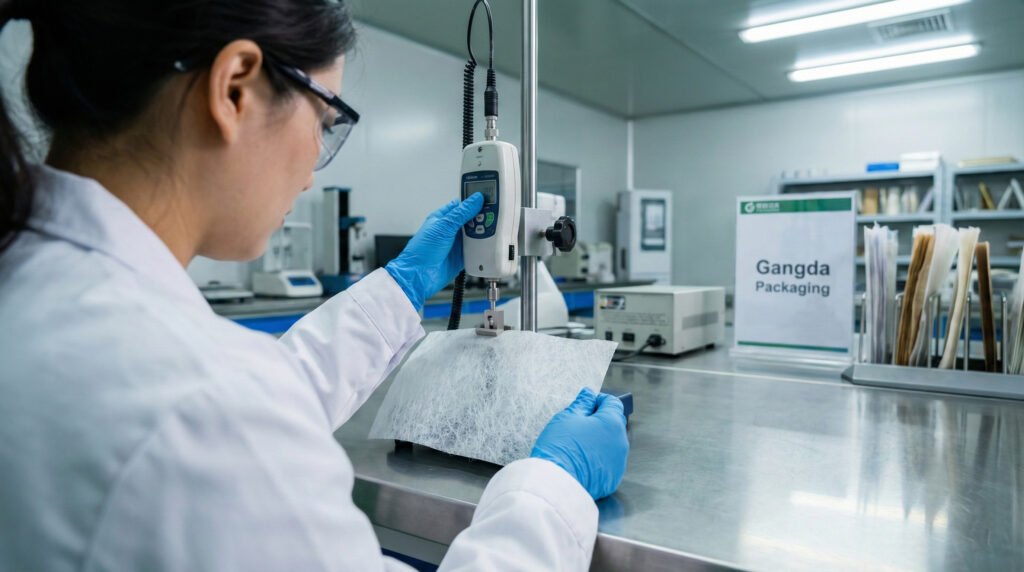
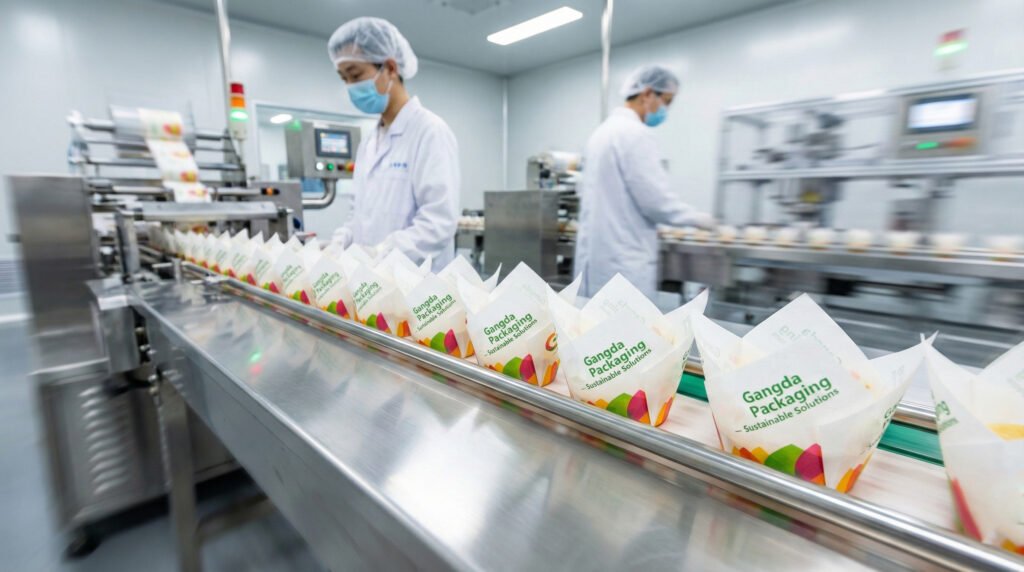
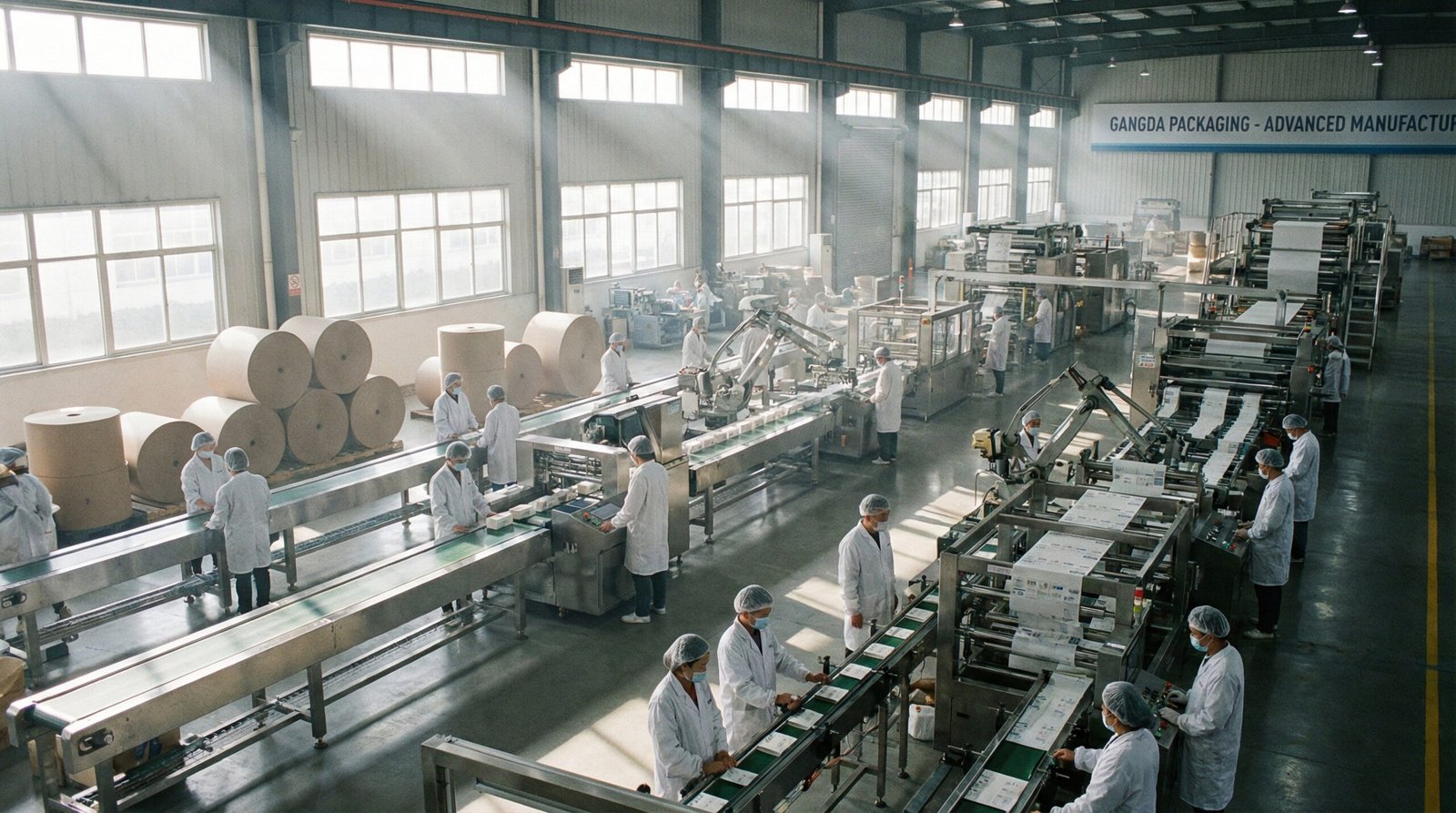
Furthermore, the variability in manufacturing processes from non-specialized factories or trading companies introduces unacceptable risks. Without dedicated “Dust-free Workshops” and stringent quality control protocols, inconsistencies in paper thickness, coating application, and overall liner formation are rampant. A batch of liners might perform adequately, while the next suffers from weak seams or uneven barrier protection, leading to unpredictable failures on the bakery floor or in the customer’s hand. The absence of a direct, engineering-led approach means that systemic issues are never truly diagnosed or resolved, leaving wholesalers and bakeries in a perpetual cycle of frustration and waste when attempting to source reliable sustainable greaseproof baking liners. This inherent instability in quality and performance is a significant pain point that only a direct manufacturer with robust internal processes can reliably address.