


PPWR Paper Packaging Compliance: 3 Critical Shifts for Urgent Adaptation by August 2026
Jan 04, 2026

The global packaging industry is currently navigating a period of unprecedented regulatory change and evolving consumer expectations. With deadlines looming as early as 2025 for comprehensive plastic bans and stringent PFAS regulations across both Europe and the United States, businesses can no longer afford to delay their transition to more environmentally responsible alternatives. The imperative for Sustainable Paper Food Packaging has never been clearer, presenting both a challenge and a significant opportunity for market leaders.
Many businesses face a critical dilemma: how to maintain operational continuity and product integrity while complying with complex new mandates that penalize conventional materials. The agitation stems from the sheer scale of the shift, impacting everything from sourcing to shelf-life. This report delivers a strategic solution, guiding wholesalers, distributors, and brand managers through the complexities of this transition and highlighting how partnering with a direct manufacturer like Gangda Packaging provides an unparalleled advantage.
In this strategic report, you will discover:
The transition towards sustainable paper food packaging is not merely a trend; it is a fundamental reorientation of the industry, driven by an urgent confluence of regulatory pressure, escalating consumer demand, and scientific advancements. Governments worldwide are responding to the undeniable environmental impact of plastic waste and persistent chemicals, enacting legislation that transforms the market landscape. This legislative push is the primary catalyst.
For instance, the European Union’s comprehensive regulations on single-use plastics and the increasing limitations on PFAS chemicals in food packaging, especially sustainable paper food packaging are setting a precedent that echoes globally. These mandates are designed to phase out problematic materials, compelling businesses to seek viable, compliant alternatives. Simultaneously, numerous U.S. states are implementing their own plastic packaging laws and Extended Producer Responsibility (EPR) schemes, creating a complex, state-by-state patchwork of requirements that necessitates adaptable solutions US plastic packaging laws and EPR by state in 2025 – UKHI.
Beyond legislation, a significant shift in consumer consciousness is amplifying demand for eco-friendly products. Studies consistently show that consumers are increasingly willing to pay a premium for brands that demonstrate clear environmental stewardship. This dual pressure from regulators and consumers is creating a fertile ground for Sustainable Paper Food Packaging to become the default choice.
Here are three key statistics supporting this macro shift:
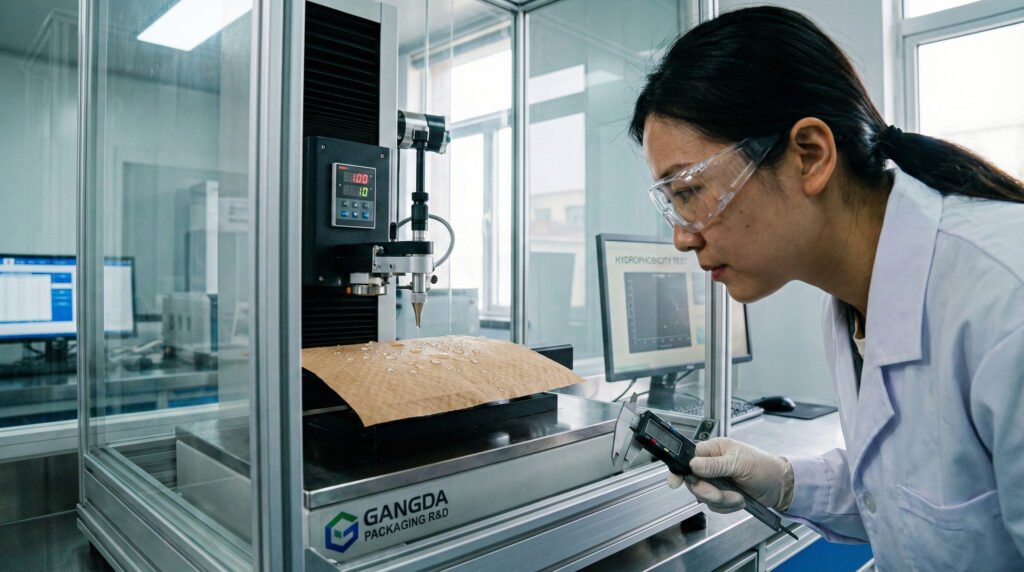
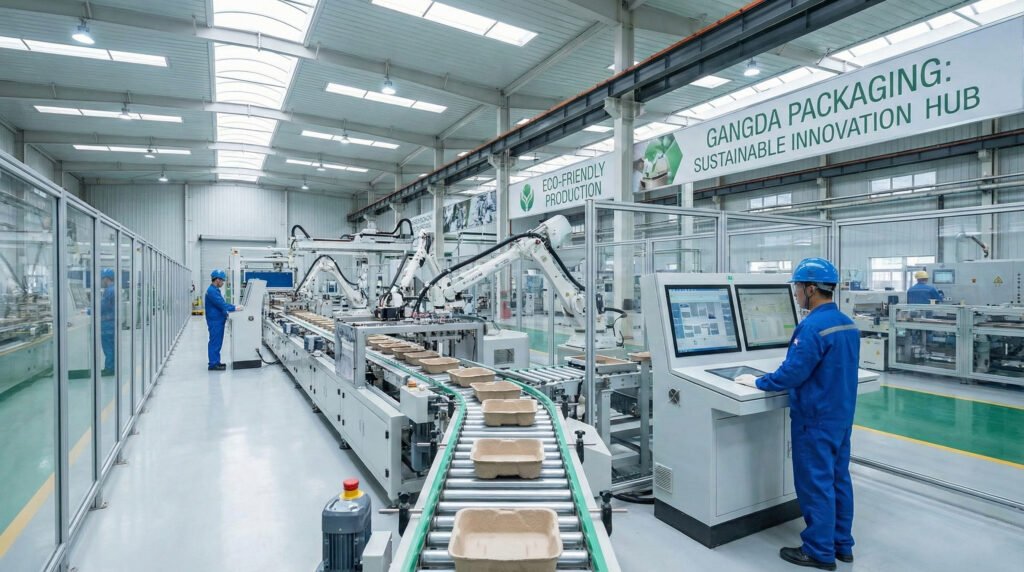
This undeniable momentum underscores the necessity for businesses to pivot swiftly. Delaying the adoption of Sustainable Paper Food Packaging is no longer a viable strategy; it risks non-compliance, reputational damage, and lost market share. Gangda Packaging recognizes these profound shifts and has proactively invested in the R&D and production capabilities to meet these emerging demands head-on.