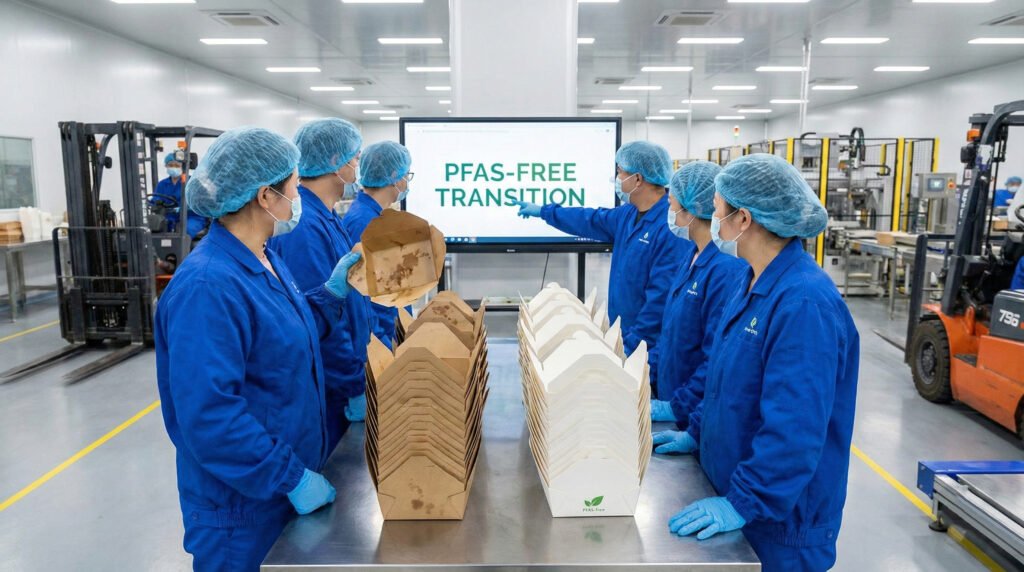
Why PFAS-Free Food Packaging is Critical: 5 Essential Steps to Safe & Compliant Alternatives
📅 Jan 06, 2026
👤 Cody Kang
In an era of heightened consumer awareness and stringent environmental regulations, the packaging industry faces unprecedented scrutiny. One of the most pressing challenges is the transition to PFAS-Free Food Packaging. For wholesalers, distributors, and brand managers, the health implications and regulatory shifts surrounding per- and polyfluoroalkyl substances (PFAS) demand immediate and informed action. Failing to adapt can lead to severe reputational damage, legal liabilities, and compromised product quality.
This guide provides an in-depth look into the critical necessity of embracing PFAS-Free Food Packaging and outlines actionable steps to navigate this complex landscape. By understanding the science, regulations, and available alternatives, your business can confidently transition to safer, more sustainable packaging solutions.
In this guide, you will learn:
The inherent risks associated with traditional PFAS-containing food packaging.
The technical characteristics and benefits of certified PFAS-Free Food Packaging alternatives.
How to assess and implement genuinely safe and effective PFAS-Free Food Packaging solutions.
Strategies for sourcing high-quality PFAS-Free Food Packaging directly from certified manufacturers.
1. Navigating the Market Trap of Misleading “Eco-Friendly” Claims for PFAS-Free Food Packaging
The market is flooded with products claiming to be “eco-friendly” or “sustainable,” yet many fall short of true PFAS-Free Food Packaging. A common pitfall for businesses is investing in packaging that appears green but still contains hidden hazardous chemicals or lacks proper certifications. This can lead to significant client dissatisfaction, costly recalls, and a loss of trust in your brand.
For example, a bakery chain might opt for supposedly “biodegradable” cupcake liners to enhance their sustainability image. If these liners achieve grease resistance through a PFAS coating, the environmental benefits are negated, and consumers are exposed to potential health risks. Such an oversight undermines the brand’s commitment to safety and sustainability. The initial cost savings from non-compliant alternatives are quickly overshadowed by the long-term liabilities.
The Technical Root Cause of Packaging Failures
Traditional grease and water-resistant packaging often relied on PFAS (Per- and Polyfluoroalkyl Substances) to achieve its functional properties. These synthetic chemicals create a strong barrier against fats, oils, and moisture, which is ideal for hot foods, baked goods, and takeout containers. However, the carbon-fluorine bonds that make PFAS so effective also make them incredibly persistent, earning them the moniker “forever chemicals.”
These chemicals do not break down easily in the environment and can accumulate in the human body, leading to a range of adverse health effects. The widespread use of PFAS has resulted in environmental contamination and human exposure, prompting a global movement towards their elimination. This shift means that while a material might appear functional, its chemical composition must meet modern health and environmental standards for PFAS-Free Food Packaging.
Engineer’s Insight: “Achieving high-performance grease and moisture resistance without PFAS requires innovative material science and precision manufacturing. It’s not simply about removing PFAS; it’s about developing new barrier technologies that are equally effective, durable, and, most importantly, safe for direct food contact and the environment. This demands rigorous testing and adherence to advanced material specifications.”
2. 5 Critical Parameters for Effective PFAS-Free Food Packaging
Transitioning to PFAS-Free Food Packaging requires a comprehensive understanding of what makes an alternative genuinely safe and effective. It’s not merely about swapping one chemical for another, but about re-evaluating material science, manufacturing processes, and regulatory compliance. Here are five critical parameters to consider.
Parameter 1: Understanding PFAS and Its Pervasive Risks
PFAS are a large family of man-made chemicals that have been used in various industries since the 1940s, including food packaging, non-stick cookware, and firefighting foam. Their unique properties, such as resistance to heat, oil, stains, and water, made them highly desirable for food-contact materials. This included items like fast-food wrappers, microwave popcorn bags, and many types of baking paper and liners.
However, research has increasingly linked PFAS exposure to serious health concerns, including certain cancers, thyroid disease, elevated cholesterol, decreased fertility, and developmental effects in children. Because they are persistent in the environment and bioaccumulate, even low levels of exposure over time can pose risks. The widespread presence of PFAS in our environment and bodies has spurred urgent calls for their elimination, driving the demand for truly PFAS-Free Food Packaging. This underscores the importance of choosing alternatives that pose no such long-term risks.
Parameter 2: Identifying and Implementing Certified PFAS-Free Barrier Coatings
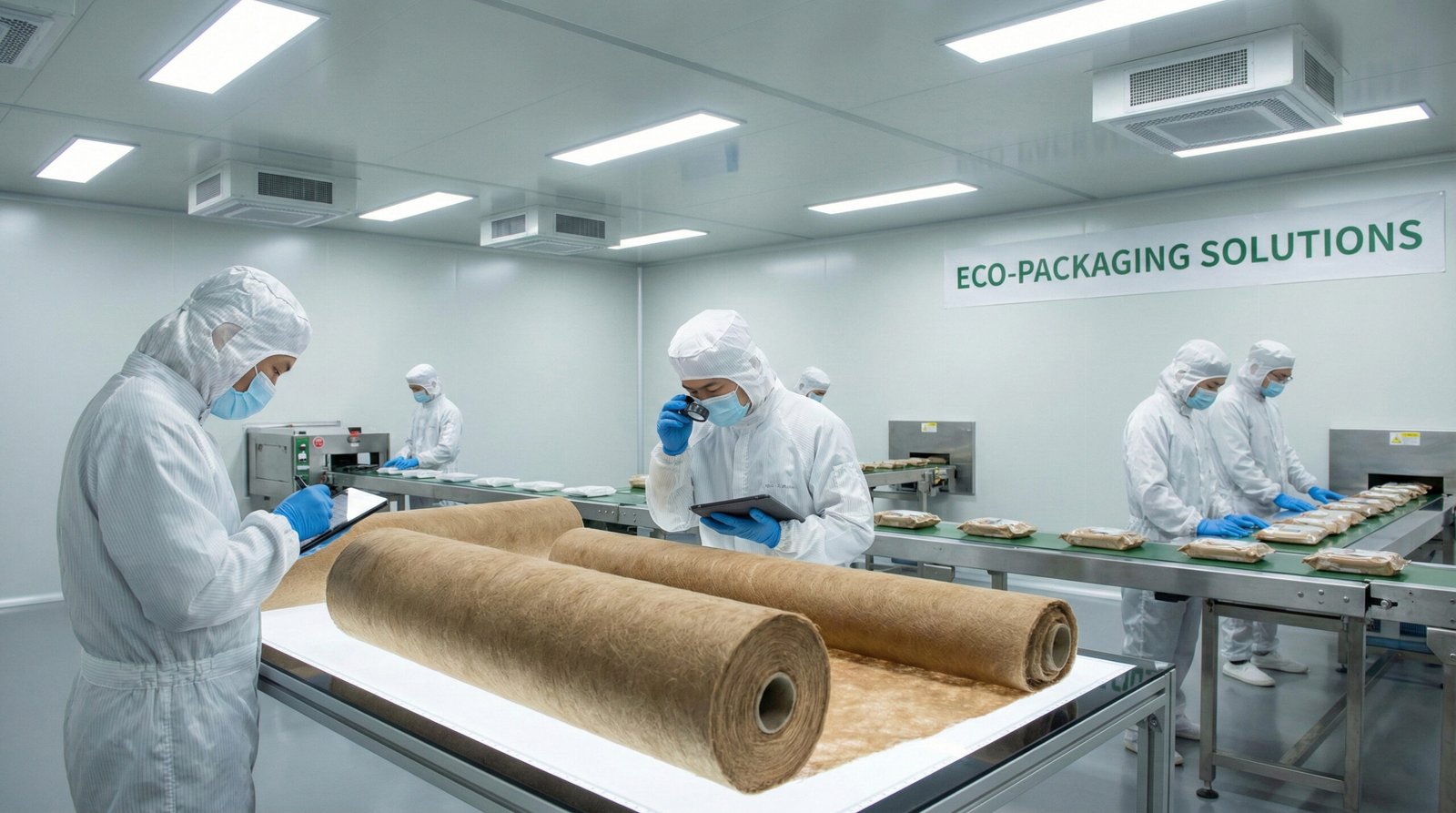
The cornerstone of effective PFAS-Free Food Packaging lies in the barrier technology. Manufacturers have developed several innovative alternatives to achieve grease and moisture resistance without relying on fluorinated chemicals. These often involve plant-based coatings, such as waxes, biopolymers, or clay-based dispersions, which create a protective layer on paper substrates. Silicone coatings are another proven PFAS-Free Food Packaging solution, widely used in products like Parchment Baking Paper due to its excellent non-stick and heat-resistant properties.
For instance, Gangda Packaging’s Greaseproof & Hot Food Bags utilize specialized oil-resistant coatings that are entirely PFAS-free, preventing leaks and maintaining food quality. Similarly, our Air Fryer Disposable Liners offer a non-stick parchment surface, free from harmful fluorochemicals. It is crucial to ensure these alternative coatings are validated through rigorous testing and hold relevant food-contact safety certifications.
Parameter 3: Ensuring Regulatory Compliance and Transparency
Navigating the evolving regulatory landscape is paramount for any business involved in PFAS-Free Food Packaging. Global authorities are increasingly restricting or banning PFAS in food-contact materials. In the United States, states like California, New York, and Washington have already enacted bans on PFAS in food packaging, with federal regulations from the FDA also tightening. The European Union’s REACH regulation and national legislations are also moving towards a comprehensive ban on PFAS use.
For instance, the U.S. Environmental Protection Agency (EPA) has a “PFAS Strategic Roadmap” that outlines plans to restrict these chemicals. For detailed information, consult the EPA’s official PFAS resources. Businesses must conduct thorough due diligence, requesting comprehensive documentation from suppliers, including test reports and declarations of compliance. This proactive approach ensures your PFAS-Free Food Packaging meets current and future legal requirements.
Parameter 4: Verifying Supplier Certifications and Testing Protocols
When procuring PFAS-Free Food Packaging, relying on a supplier’s verbal assurances is insufficient. Robust verification processes are essential. Suppliers should provide evidence of third-party certifications for their materials and manufacturing processes. These typically include food-grade certifications like FDA (Food and Drug Administration) compliance for the U.S. market, LFGB (Lebensmittel- und Futtermittelgesetzbuch) for Germany and the EU, and BRCGS (Brand Reputation Compliance Global Standards) for packaging materials.
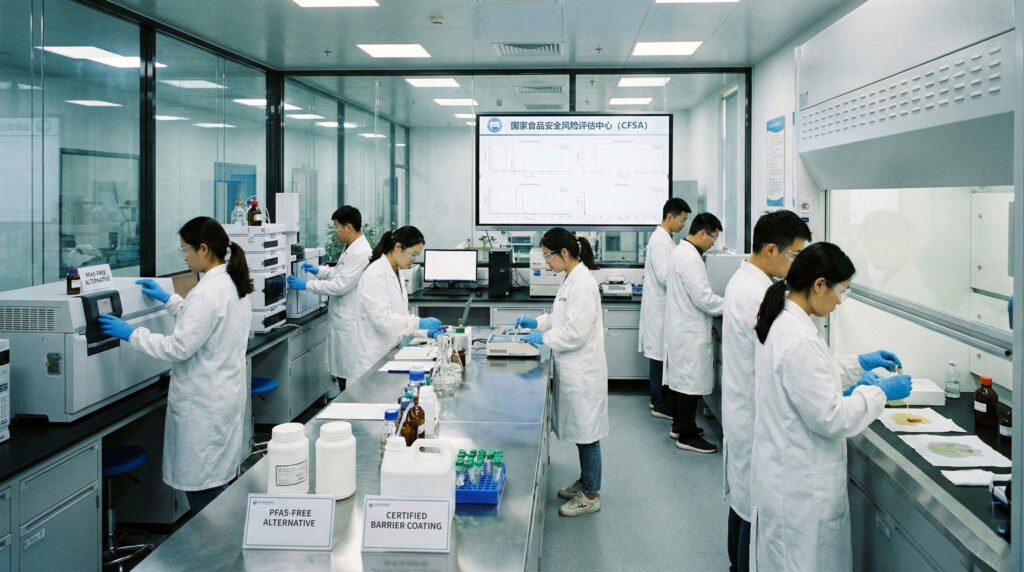
Additionally, manufacturers should demonstrate stringent testing protocols for total fluorine content, which serves as an indicator of PFAS presence, even if specific PFAS compounds are not individually tested for. Gangda Packaging, for example, holds multiple certifications including FDA, FSC, LFGB, ISO 9001, BRCGS, and BSCI, underscoring our commitment to safety and quality in PFAS-Free Food Packaging production. This commitment includes operating a dust-free workshop to prevent contamination and employing custom printing (OEM/ODM) with food-safe inks, ensuring overall product integrity.
Parameter 5: Balancing Performance, Sustainability, and Cost
The ideal PFAS-Free Food Packaging solution successfully balances functional performance with sustainability goals and cost-effectiveness. It is important to remember that “sustainable” also means practical and affordable for large-scale operations. Alternatives must provide adequate grease and moisture resistance for their intended application—whether it’s for hot, oily fried foods or moist baked goods.
For example, Gangda’s Rolled Rim Baking Cups offer a self-standing, sturdy structure without the need for metal pans, demonstrating both performance and material efficiency. Similarly, PET Laminated Baking Cups provide high heat and moisture resistance, with an interior PET coating to prevent sticking, all while adhering to food safety standards. Evaluating the full life cycle of the packaging, from raw material sourcing to end-of-life options like composting or recycling, is crucial. This holistic approach ensures that your PFAS-Free Food Packaging delivers on all fronts without compromising profitability.
Comparative Analysis: Traditional PFAS vs. Gangda PFAS-Free Solutions
Feature
Traditional PFAS Coated Packaging
Gangda PFAS-Free Solutions (e.g., Greaseproof Bags, Air Fryer Liners)
Grease Resistance
High (due to fluorochemical barrier)
High (achieved with plant-based or silicone coatings)
Water Resistance
High
High (via specialized coatings)
Heat Tolerance
Varies, generally good
Excellent (e.g., silicone-coated parchment, PET laminated)
Food Safety
Potential for chemical migration, health concerns
Proven food-safe, non-toxic, no chemical migration risks
Environmental Impact
Persistent “forever chemicals,” non-biodegradable
Often compostable, recyclable, or biodegradable options
Regulatory Compliance
Increasingly non-compliant, facing bans
Fully compliant with major global food safety regulations (FDA, LFGB)
Certifications
May lack specific “PFAS-Free” certifications
FDA, LFGB, FSC, ISO 9001, BRCGS, BSCI certified
Cost Implications
Initial low cost, but high long-term risks (fines, recalls)
Competitive, sustainable investment with reduced future liabilities
3. How to Source PFAS-Free Food Packaging Directly from a Certified Factory
Sourcing PFAS-Free Food Packaging directly from a reputable manufacturer like Gangda Packaging offers unparalleled advantages. It ensures transparency, quality control, and access to the latest innovations and compliance standards. Our direct-from-factory model cuts out intermediaries, allowing for clear communication and tailored solutions. This approach significantly reduces the risk of mislabeling or non-compliance, which is critical for PFAS-Free Food Packaging.
Here’s a breakdown of the process and what to look for:
Initial Consultation and Needs Assessment: Begin by discussing your specific packaging requirements, including product type, desired functionality (grease resistance, heat tolerance), volume, and any unique branding needs. This helps us recommend the most suitable PFAS-Free Food Packaging solutions from our extensive range. Our team will guide you through material selection, explaining the technical differences between various PFAS-Free Food Packaging options.
Material and Technology Selection: Gangda Packaging leverages advanced barrier technologies, such as specialized plant-based coatings and food-grade silicone applications. For example, our Air Fryer Disposable Liners utilize a non-stick parchment paper, ensuring it is entirely PFAS-Free Food Packaging. We detail the exact composition of the proposed PFAS-Free Food Packaging materials and their performance characteristics.
Customization and Design (OEM/ODM): We offer full OEM/ODM capabilities, enabling custom printing and bespoke designs for your PFAS-Free Food Packaging. This includes choosing specific paper types, finishes, and dimensions. Our in-house design team ensures your brand identity is perfectly integrated while adhering to all technical specifications for PFAS-Free Food Packaging.
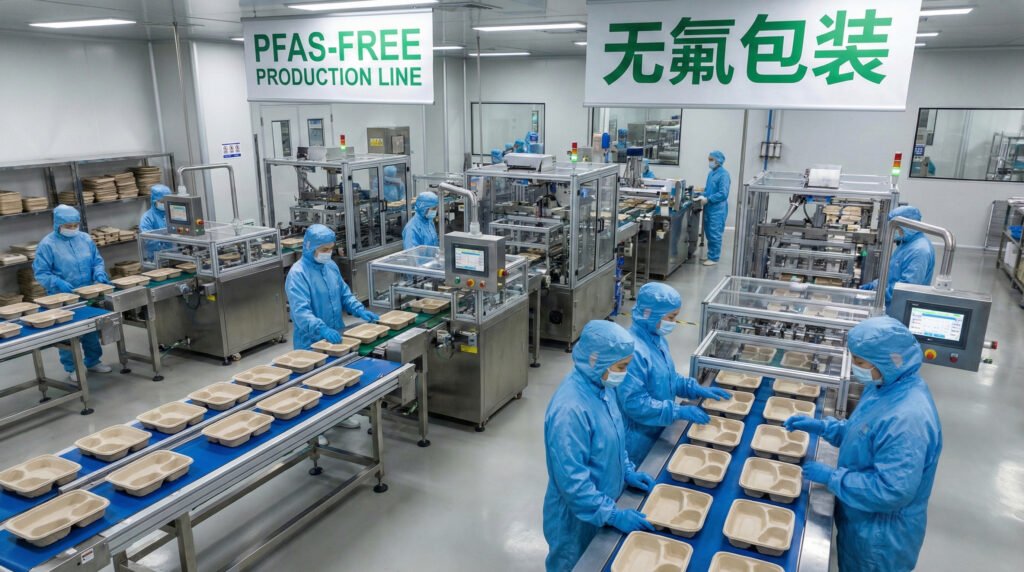
Rigorous Quality Control and Testing: Our production process for PFAS-Free Food Packaging is supported by a comprehensive quality management system, certified under ISO 9001. We conduct in-depth material analysis and batch testing to verify the absence of PFAS and ensure all performance metrics are met. This includes tests for grease resistance, water absorption, and heat tolerance. Our 20+ production lines operate within a dust-free workshop environment, critical for maintaining hygiene and preventing contamination in all PFAS-Free Food Packaging.
Certification Verification and Documentation: We provide full documentation for all relevant certifications, including FDA, FSC, LFGB, ISO 9001, BRCGS, and BSCI. These certifications affirm that our PFAS-Free Food Packaging adheres to international standards for food safety, environmental responsibility, and ethical manufacturing. This transparency is key to building trust and ensuring compliance for your supply chain.
Sustainable Logistics and Supply Chain Management: Gangda Packaging manages efficient logistics to ensure timely delivery of your PFAS-Free Food Packaging products. We work with clients to optimize shipping solutions, maintaining product integrity throughout the supply chain. Our robust infrastructure and global reach support seamless distribution for wholesalers and distributors worldwide.
4. Conclusion: Securing Your Brand’s Future with PFAS-Free Food Packaging
The transition to PFAS-Free Food Packaging is no longer an option but a strategic imperative. The risks associated with continued use of PFAS are substantial, encompassing public health concerns, environmental degradation, and severe regulatory penalties. By proactively adopting genuinely PFAS-Free Food Packaging solutions, businesses can not only mitigate these risks but also enhance their brand reputation, demonstrate corporate responsibility, and meet the growing demands of environmentally conscious consumers.
Gangda Packaging stands at the forefront of this evolution, offering expertly engineered, certified PFAS-Free Food Packaging solutions. Our commitment to sustainability, rigorous quality control, and comprehensive certification ensures that our partners receive products that are safe, compliant, and high-performing. From Tulip & Lotus Muffin Wraps to advanced Greaseproof & Hot Food Bags, our product portfolio is designed with the future of food packaging in mind.
Invest in the future of your business and the health of your consumers by choosing certified PFAS-Free Food Packaging.
Contact our Gangda Engineers today for a custom quote or free sample kit to experience the difference firsthand quality and innovation of our PFAS-Free Food Packaging solutions.