



Book Style Box Packaging Guide
Jul 28, 2026
Premium Packaging Solutions

Retail & Food Bags
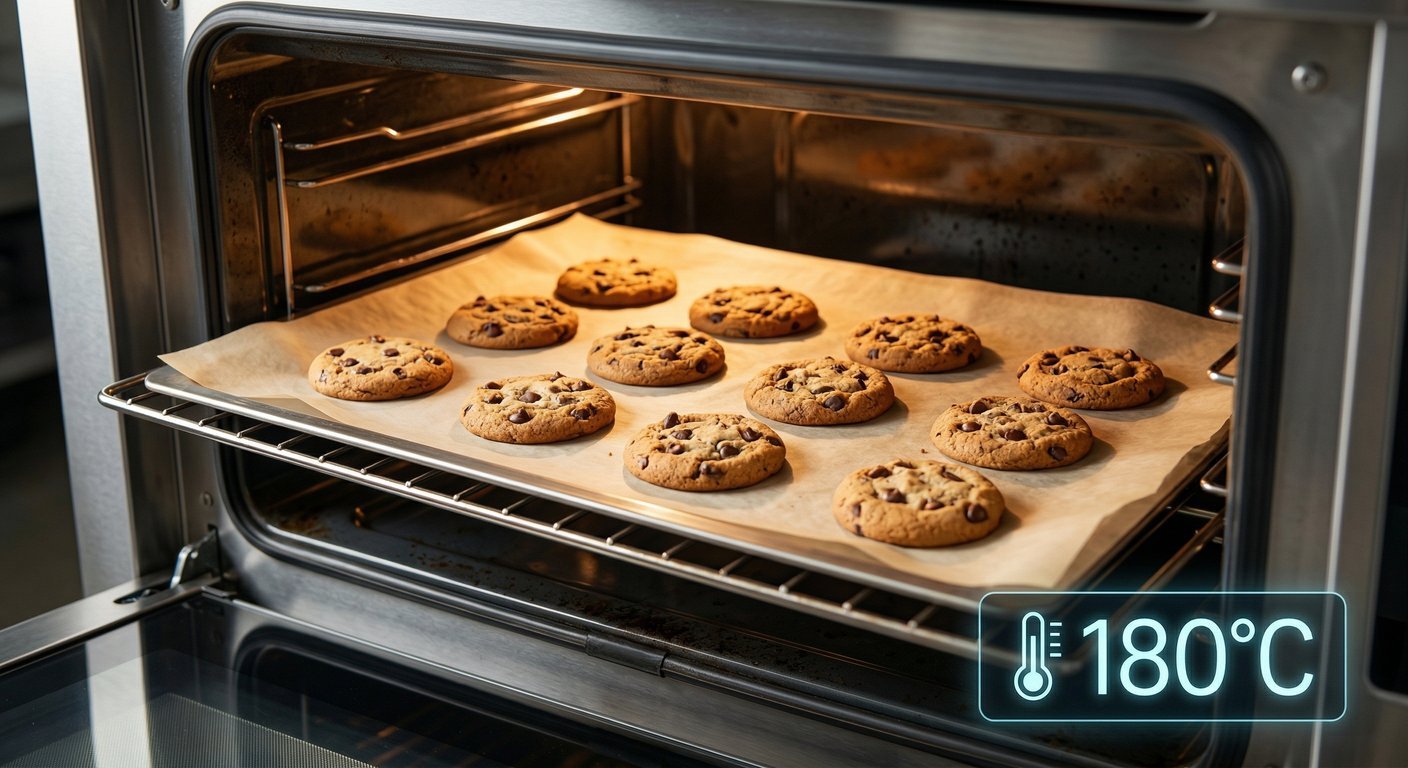
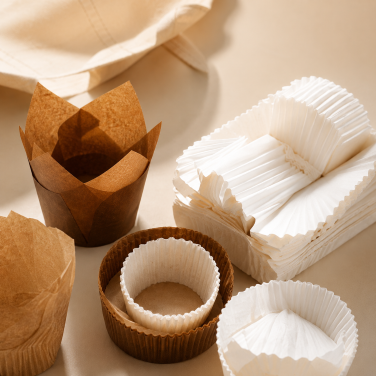
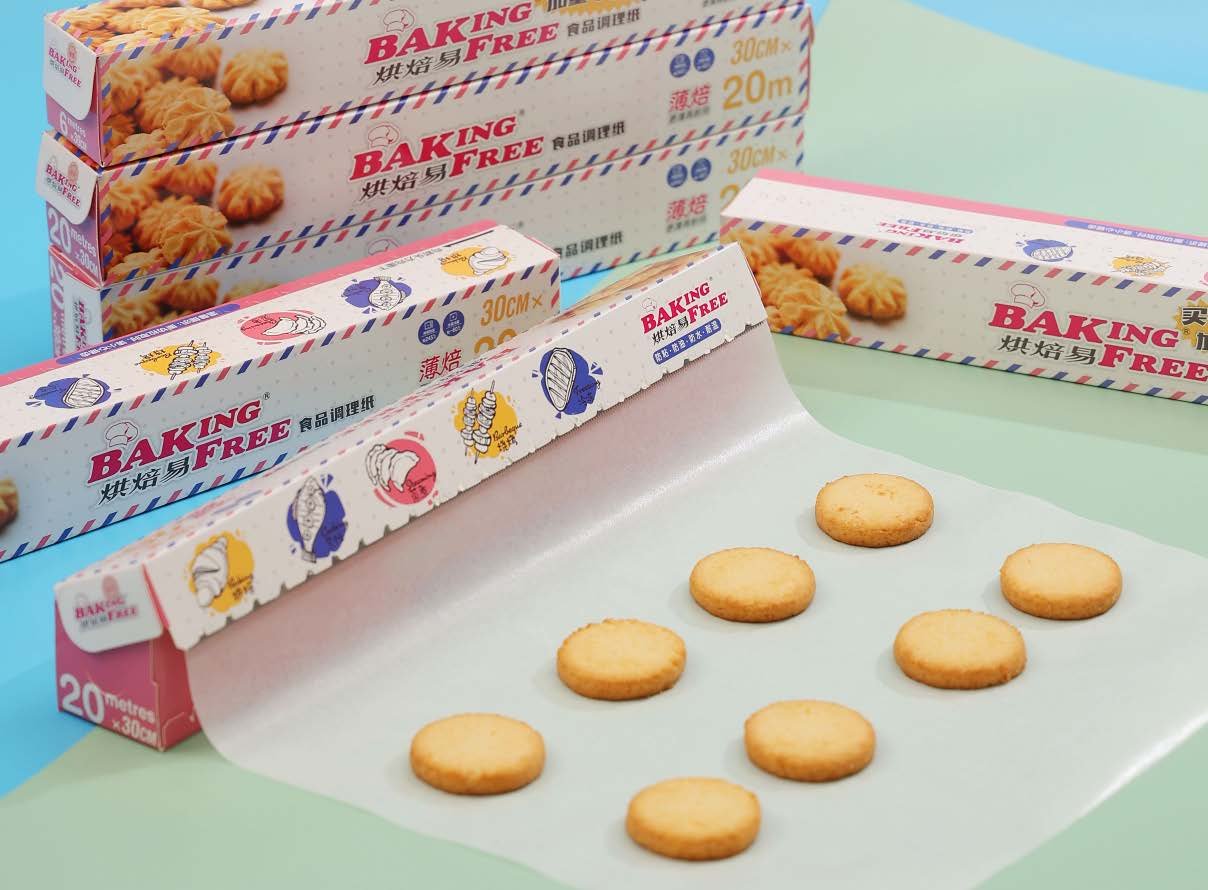
A common pain point in both commercial kitchens and home bakeries is ruined batches of food caused by burnt or smoking parchment paper. Understanding proper baking paper temperature resistance is crucial not only for achieving the perfect bake but also for ensuring kitchen safety. When paper is pushed past its thermal threshold, it degrades rapidly, compromising food quality and potentially creating a fire hazard. To provide clear guidelines, we conducted a rigorous technical test to observe how standard parchment paper reacts under three distinct heat profiles: 180°C, 220°C, and 250°C.
Standard baking paper relies on a thin, food-safe coating to provide its non-stick and heat-resistant properties. Most high-quality parchment papers are treated with a layer of cross-linked silicone. This coating creates a barrier that prevents fats and moisture from soaking into the raw cellulose fibers of the paper. You can read more about the thermal stability of these polymers in the study of silicone chemistry. However, while silicone itself is highly heat-resistant, the underlying wood pulp fibers are not invincible. When the ambient heat exceeds the safe operating limits, the cellulose begins to oxidize and break down.