


Book Style Box Packaging Guide
Jul 28, 2026
Premium Packaging Solutions
Retail & Food Bags
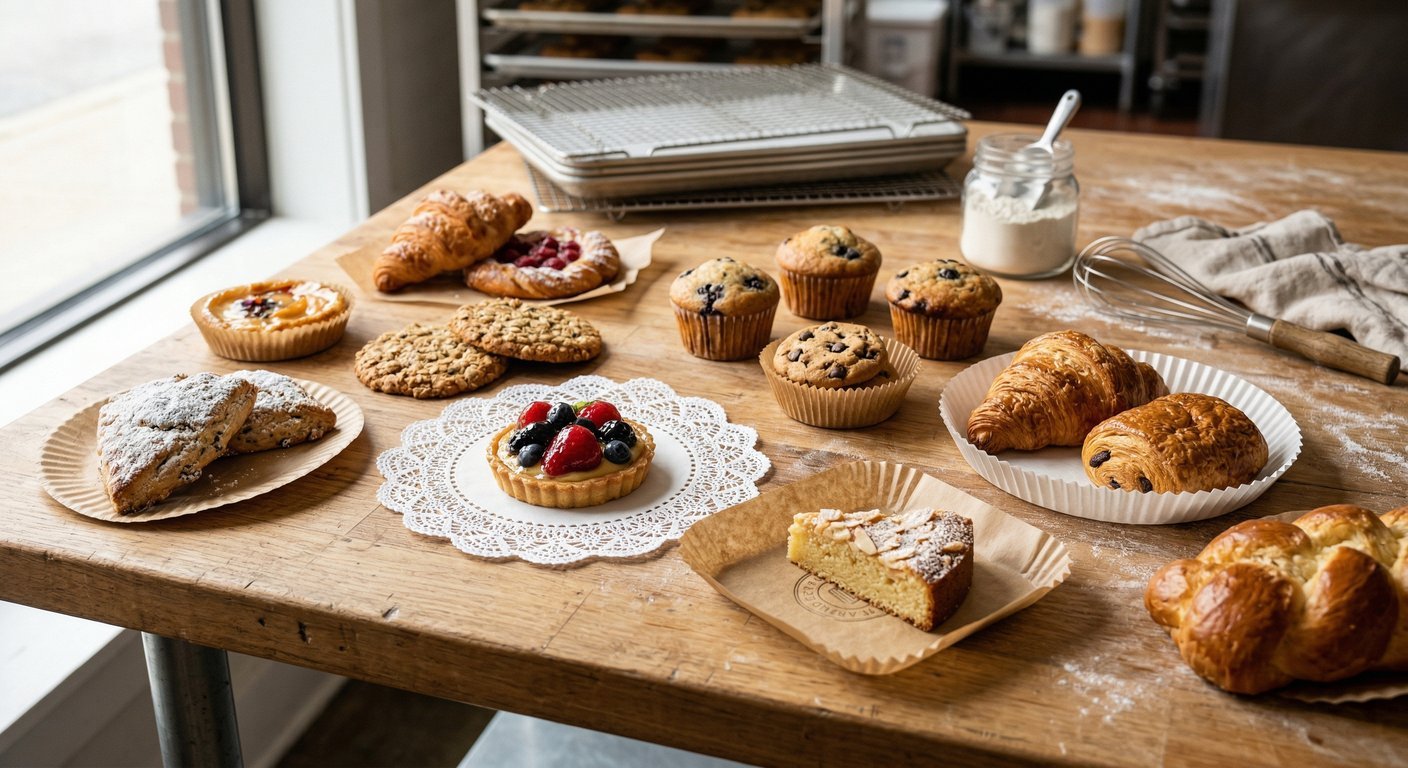
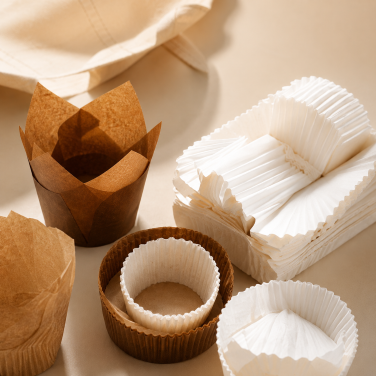
Baking the perfect cake is only half the battle; presenting it flawlessly is where true bakery branding shines. Whether you are a commercial bakery or an artisanal pastry shop, selecting the right base packaging is critical. Cake liners not only prevent sticking and preserve moisture, but they also serve as a canvas for your culinary creations. From standard commercial sheets to elegant decorative bases, making the right choice impacts both aesthetics and bottom-line efficiency.
The core function of these packaging essentials is to provide a reliable, non-stick, and grease-resistant barrier between the baked good and its container. Most high-quality options are treated with food-safe silicone to make them highly resistant to heat and fats. Understanding the base material is essential; for instance, true parchment paper undergoes a specific manufacturing process of being treated with sulfuric acid to increase its cross-linked density, ensuring superior heat resistance and non-stick properties.
Furthermore, modern bakeries are increasingly prioritizing sustainability. Utilizing biodegradable, unbleached, or FSC-certified materials for your packaging aligns with current eco-conscious consumer trends, a standard we heavily emphasize in our environmental initiatives. Whether you are lining a baking tin or placing a finished cake in a display box, the material integrity dictates the final presentation.