

The Complete Guide to Air Fryer Disposable Liners
Apr 03, 2026
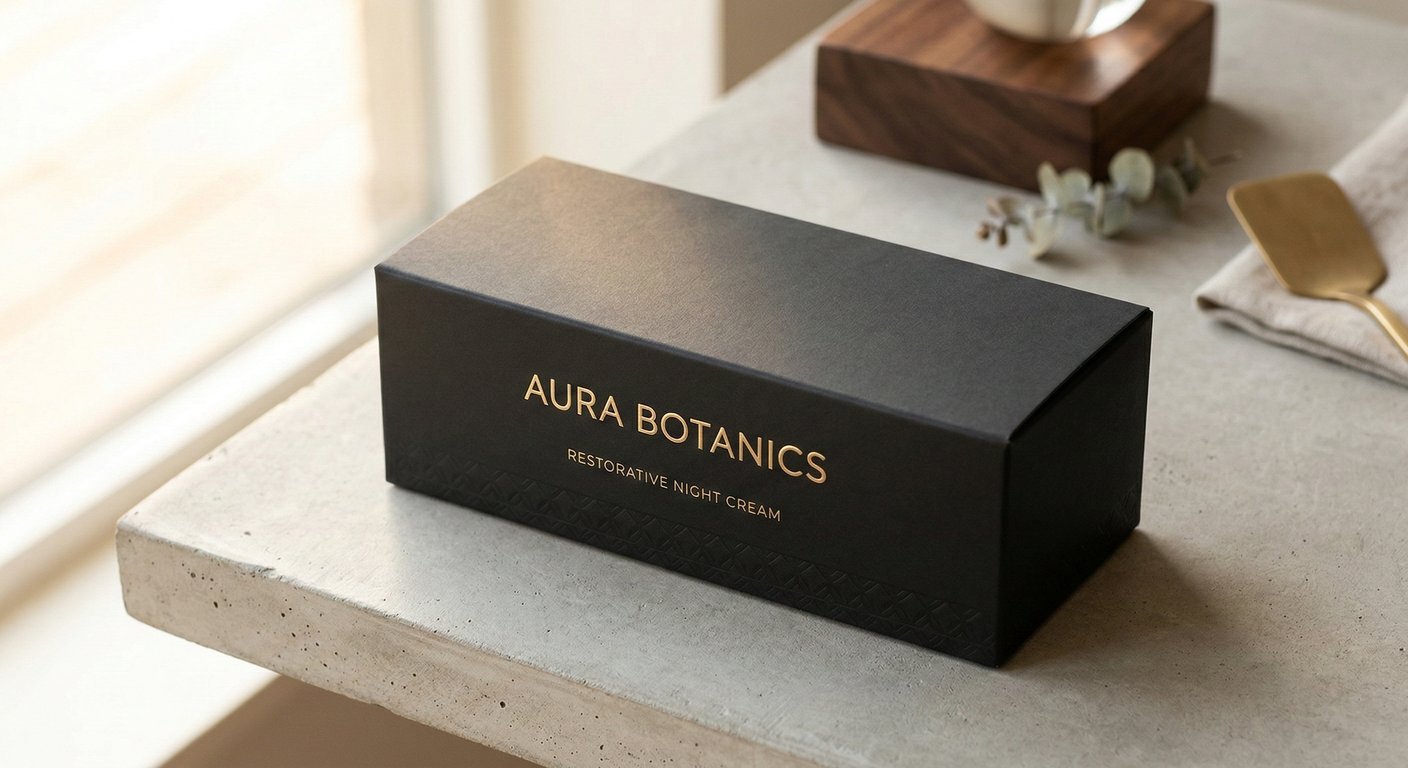
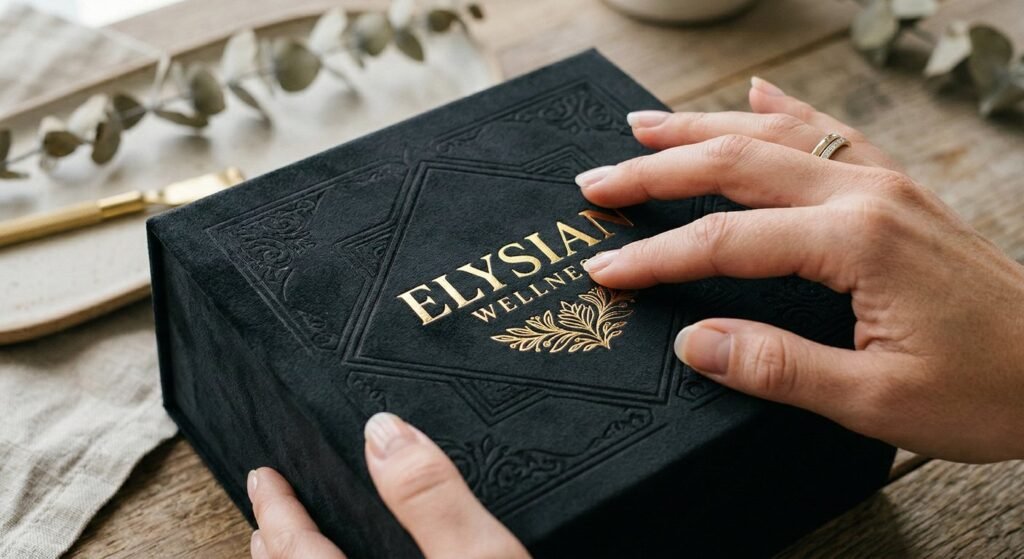
In the highly competitive retail environment, capturing a consumer’s attention requires more than just striking visual design; it demands a memorable tactile experience. When a customer picks up a product box, the physical sensation immediately communicates the brand’s value and quality. This is exactly where the power of soft touch lamination comes into play. By transforming standard cardboard into a surface that feels remarkably like velvet, silk, or soft suede, this finishing technique creates an instant psychological connection between the buyer and the luxury nature of the product inside.
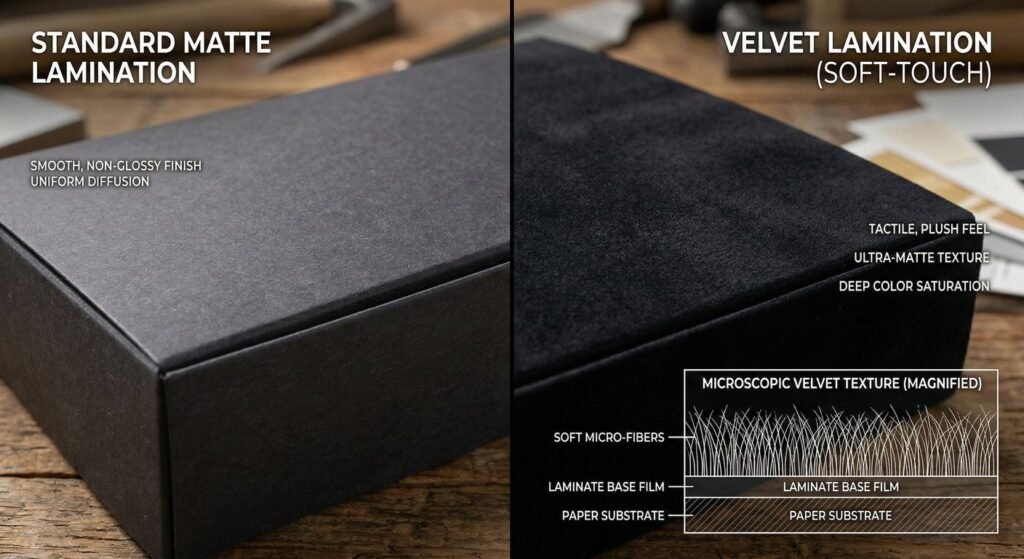
What exactly makes a printed box feel so exceptionally soft? The secret lies in the specialized manufacturing of the laminating film. Unlike standard gloss or matte films, the film used for soft touch lamination undergoes a unique microscopic texturing process during its creation.
The core material is typically Biaxially Oriented Polypropylene, a durable polymer film widely used in the packaging industry. During the coating stage, a special liquid polyurethane is applied to the BOPP base. Once cured, this coating forms an ultra-fine, microscopic matte surface. It is this microscopic unevenness—invisible to the naked eye—that absorbs light to create a perfectly flat, dead-matte visual appearance, while simultaneously providing the high-friction, velvety drag against human fingertips.