


The Complete Guide to Air Fryer Disposable Liners
Apr 03, 2026
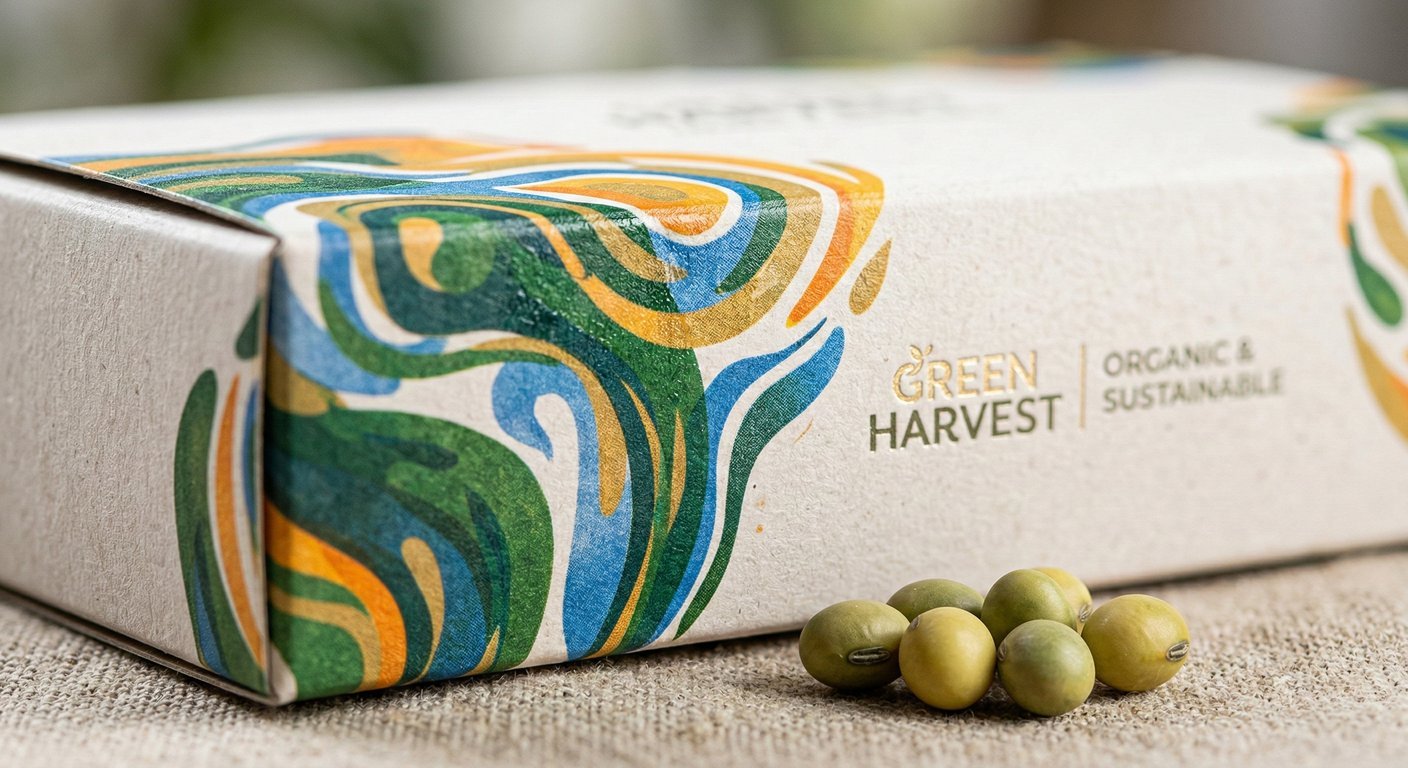
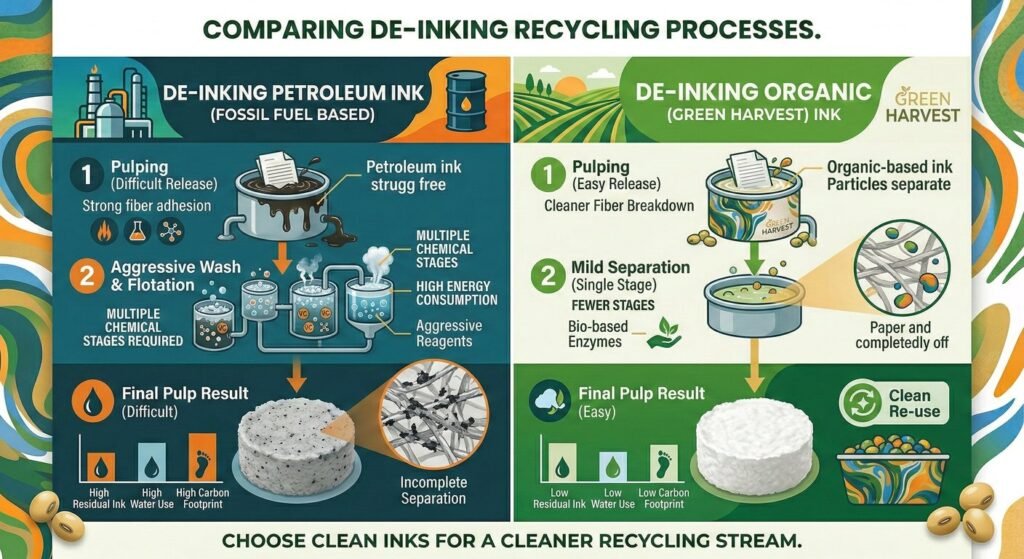
As the global packaging industry shifts toward strict sustainability standards, consumer demand for green alternatives has never been higher. One of the most impactful changes a brand can make is transitioning away from harsh chemical printing methods. Soy-based ink has emerged as the premier alternative, offering not only a smaller environmental footprint but also superior aesthetic qualities for high-end packaging. Originally developed in the 1980s as a response to rising oil prices, this eco-friendly option is now a staple in premium, sustainable packaging strategies.
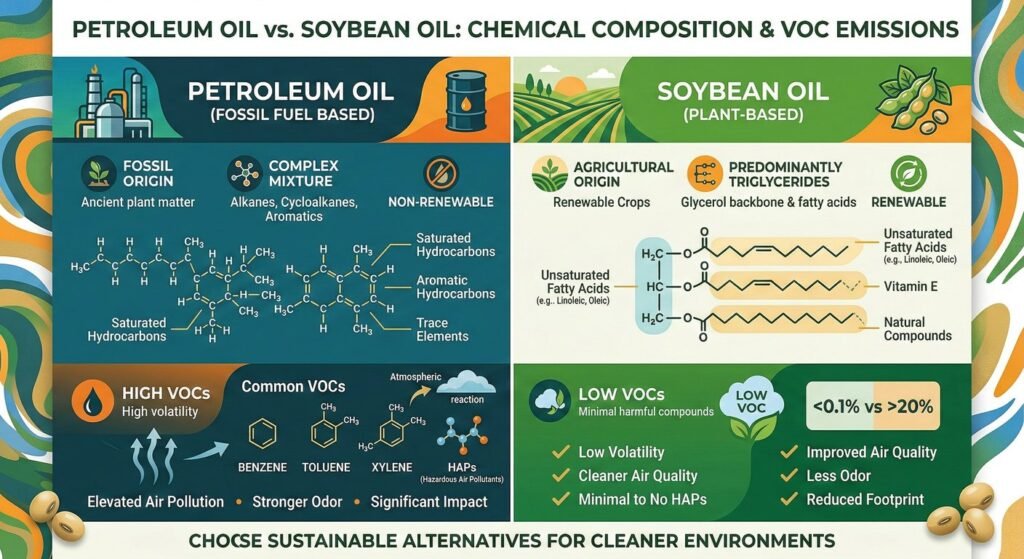
At its core, traditional printing ink consists of three main elements: pigment (the color), a vehicle (the liquid that carries the pigment), and binders (to help the ink adhere to the paper). In traditional inks, the vehicle is primarily derived from petroleum. In contrast, the eco-friendly alternative replaces this petroleum carrier with refined soybean oil.
Because soybean oil is naturally clearer than petroleum, it allows the pigment to show through much more vibrantly. Furthermore, this organic composition drastically reduces the emission of Volatile Organic Compounds (VOCs) during the printing process. VOCs are harmful gases that contribute to air pollution and pose health risks to manufacturing workers. By utilizing an agricultural byproduct, the packaging industry can significantly decrease toxic off-gassing while supporting renewable resources.