

Custom Printed Greaseproof Paper MOQ: Cost per Sheet Guide
Oct 22, 2026

Premium Packaging Solutions

Retail & Food Bags
When upgrading a bakery from small-batch recipe testing to full-scale, high-volume production, selecting the right equipment is just as critical as sourcing the finest ingredients. For high-frequency baking environments, standard kitchen bakeware simply cannot withstand the rigorous daily demands, making the switch to commercial cake tins an absolute necessity. Understanding the nuanced differences in material science, heat distribution, and structural longevity can save wholesale bakeries and food manufacturing facilities thousands of dollars in replacement costs and wasted product.
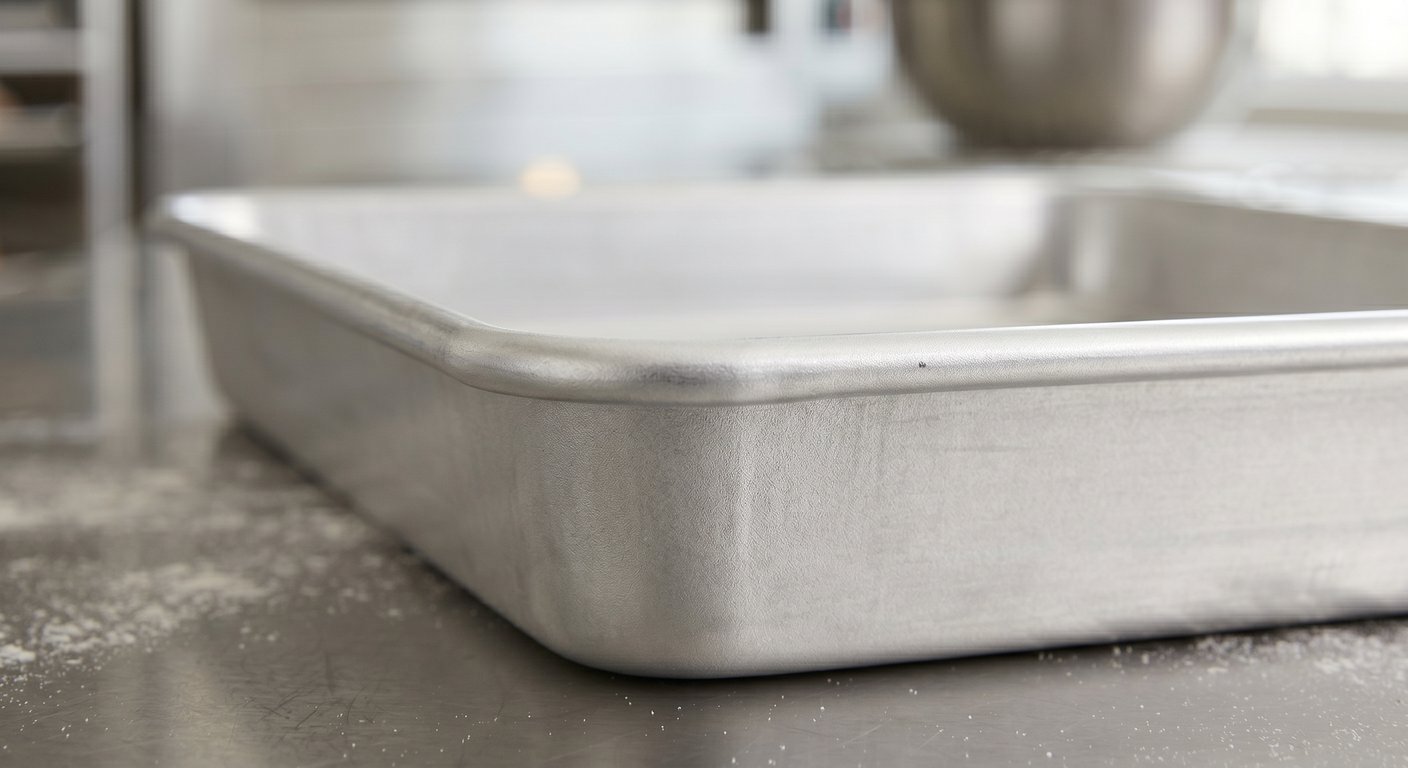
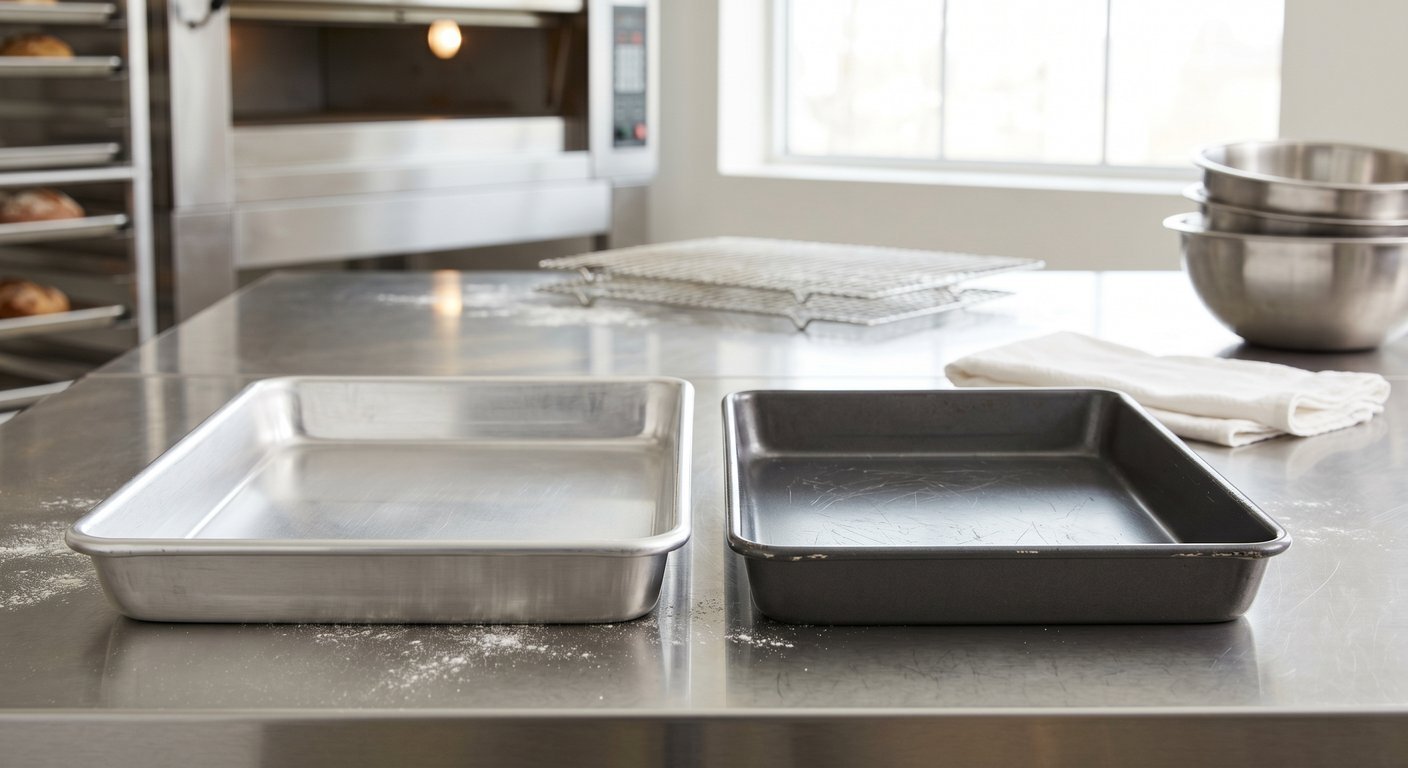
The primary distinction between bakery-grade equipment and home kitchen pans lies in heat conductivity and structural integrity under constant thermal stress. Residential baking pans are typically manufactured from thin-gauge steel with consumer-grade non-stick coatings. While these are perfectly adequate for baking once a week, they warp, scratch, and degrade rapidly in a commercial setting. Professional-grade options rely on heavy-gauge anodized aluminum or aluminized steel to ensure consistent baking temperatures across hundreds of consecutive cycles. The electrochemical anodizing process creates a non-reactive surface that will not peel, chip, or rust, even when exposed to highly acidic batters like citrus cakes.