
Custom Printed Greaseproof Paper MOQ: Cost per Sheet Guide
Oct 22, 2026
Premium Packaging Solutions
Retail & Food Bags
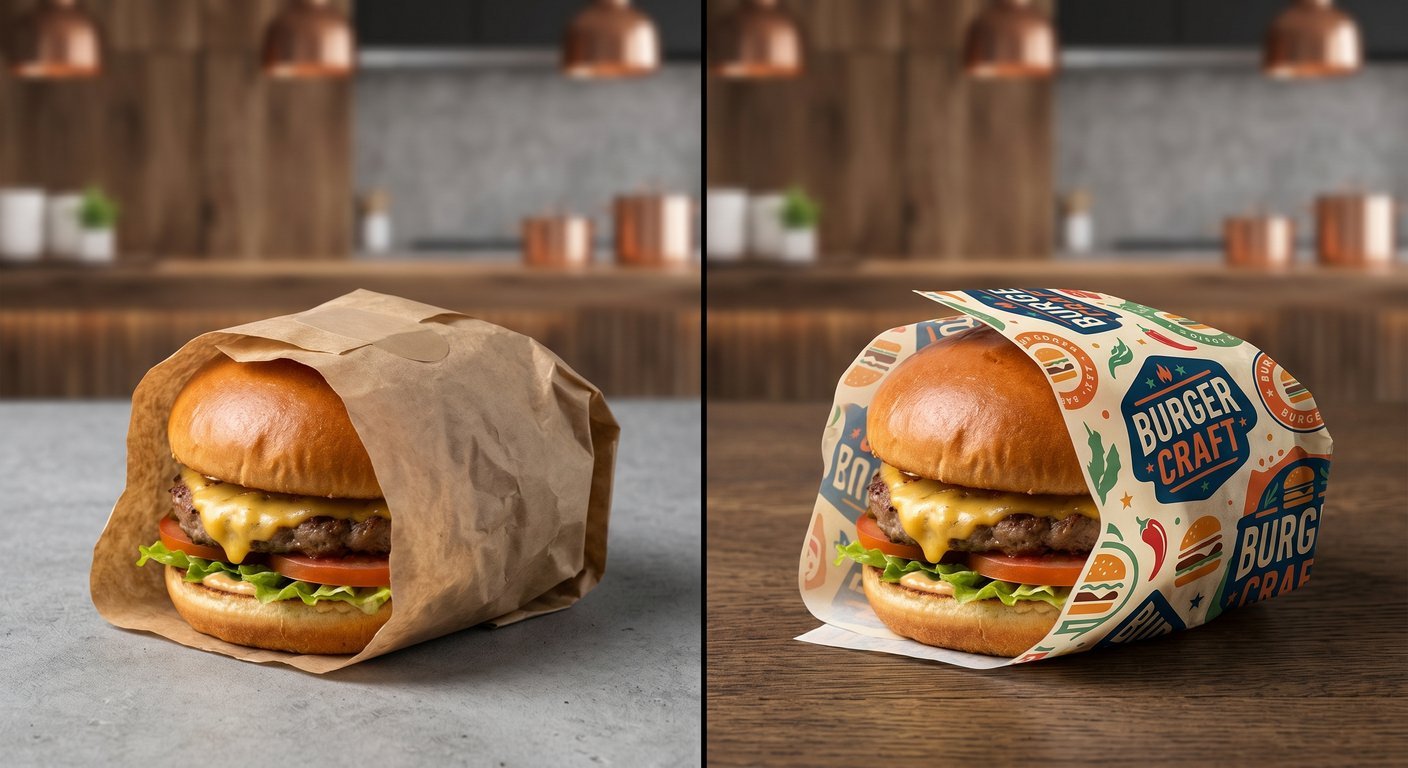
For food service businesses, packaging is far more than just a functional necessity; it is the silent ambassador of your brand. When serving greasy, oily, or hot foods, operators often face a choice between generic, unprinted wraps and upgrading to a tailored, branded solution. Deciding whether custom greaseproof paper is worth the additional investment requires a careful look at both the operational benefits and the marketing returns. Let us explore how making the switch from standard wraps to branded alternatives can impact your bottom line, elevate customer perception, and ultimately pay for itself.
To understand the value, we first need to look at the material science. Greaseproof paper is fundamentally designed to prevent oils and fats from seeping through the packaging and onto a customer’s hands or clothing. Standard sheets achieve this through a highly specialized mechanical process called refining or beating, which tightly compresses the cellulose fibers of the wood pulp. This creates a natural barrier without the need for synthetic chemical coatings, making the base material inherently food-safe and biodegradable.
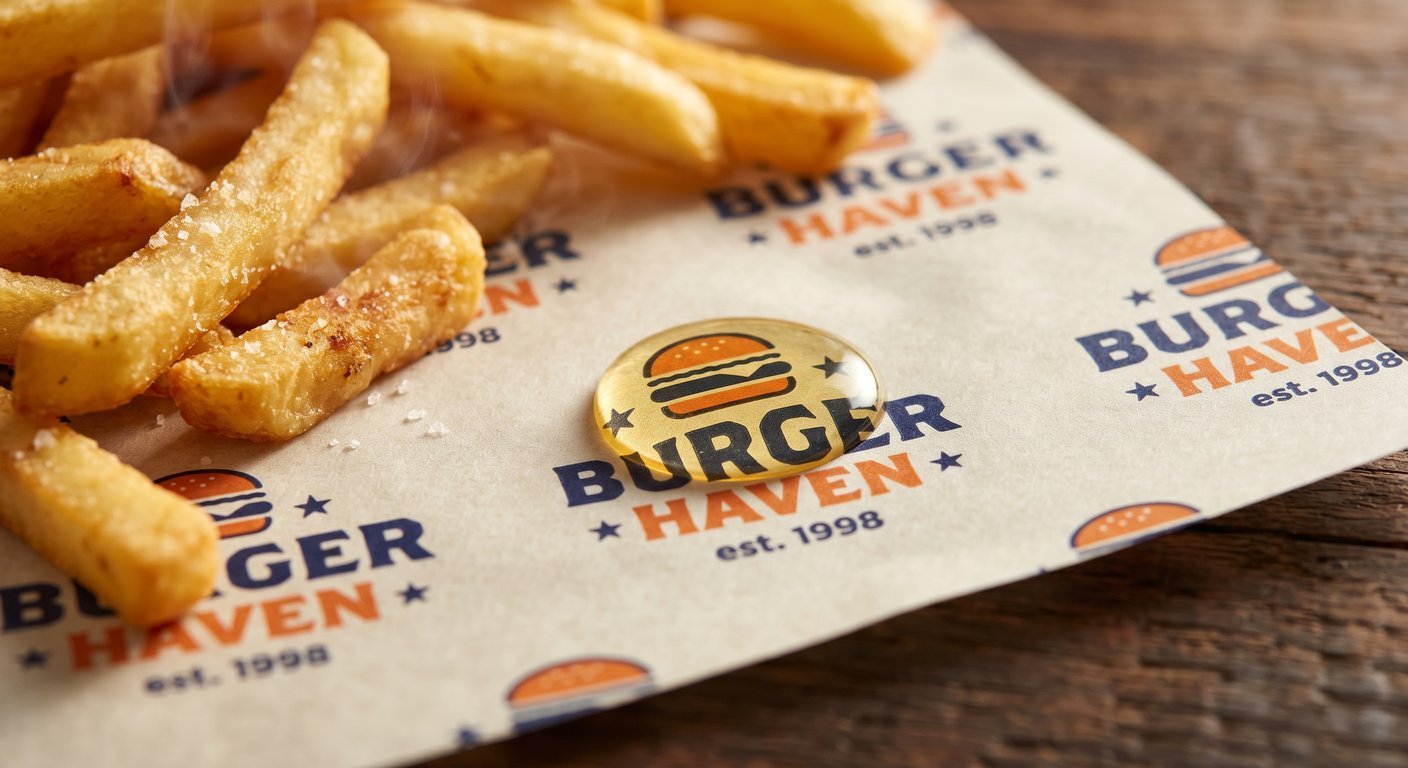
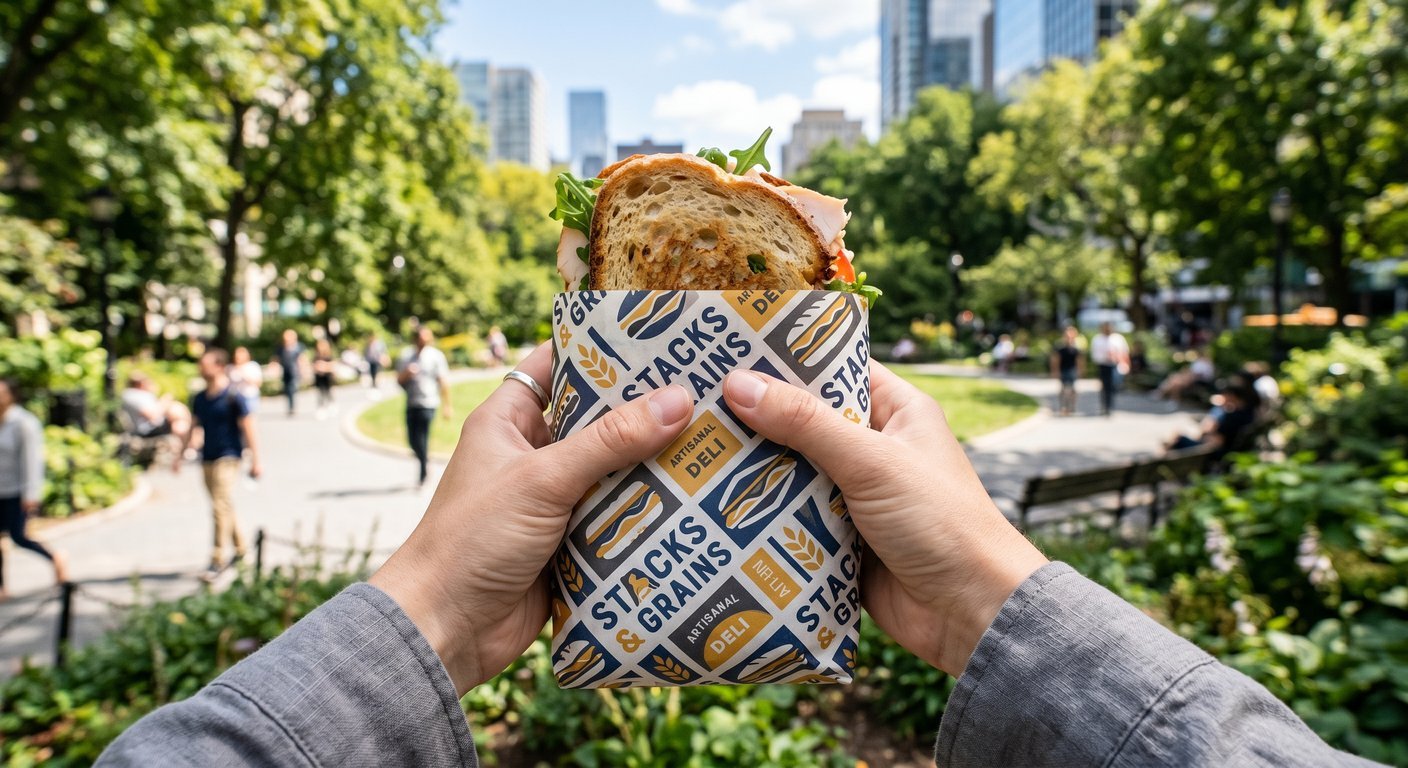
When you upgrade to a printed version, manufacturers take this dense, non-porous paper and apply food-grade, soy-based or water-based inks. The challenge in production is ensuring that these inks adhere properly without compromising the grease resistance and barrier properties of the sheet. Modern flexographic printing techniques allow for vibrant, full-color designs that remain perfectly intact even when wrapping piping-hot, oil-heavy foods like smash burgers or artisan pastries.