


Demystifying Corrugated Board Structure: Inner Liners vs. Outer Liners
Technical Guide

Demystifying Corrugated Board Structure: Inner Liners vs. Outer Liners

📅 Mar 18, 2026 👤 Cody Kang

When brands design custom packaging, they often focus entirely on the exterior graphics, overlooking the engineering that keeps their products safe. Understanding the corrugated board structure is the foundation of creating packaging that is both visually stunning and structurally sound. At its core, this structure is a brilliant feat of paper engineering, combining flat layers of paper with a wavy, arched center to provide maximum rigidity and crush resistance. Whether you are shipping delicate electronics or heavy industrial goods, knowing the distinct roles of the inner liner, the outer liner, and the fluting medium will help you optimize your packaging costs and performance.

1. The Anatomy of the Corrugated Board Structure

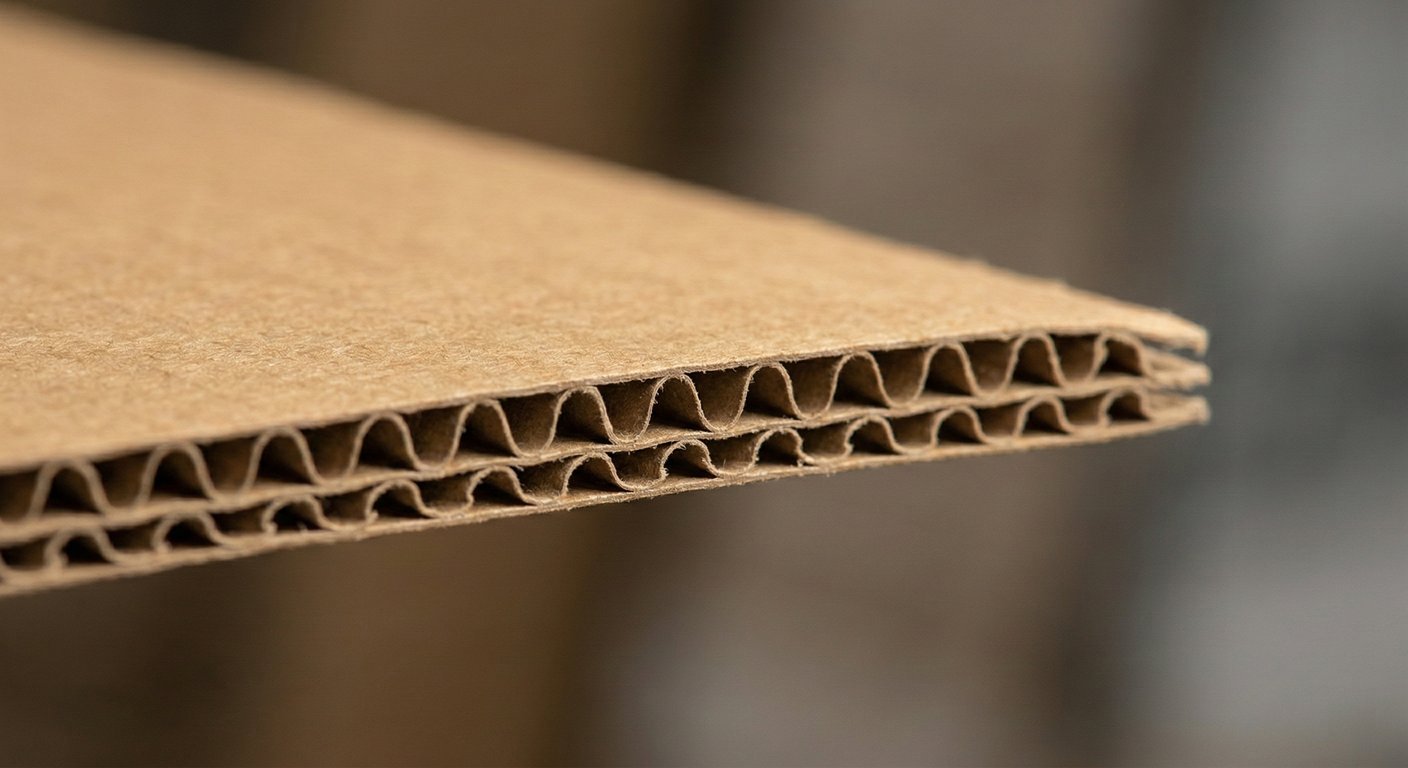
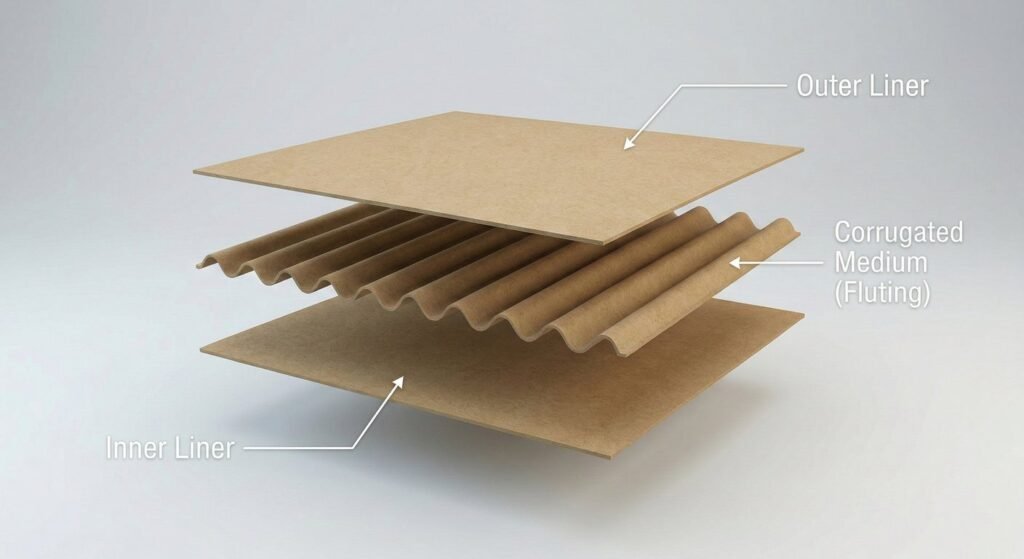
To truly grasp how shipping boxes perform under pressure, we must look at the cross-section of the material. Think of it as a highly engineered sandwich. The basic anatomy consists of three primary layers, each serving a highly specific purpose in the supply chain.


  • The Outer Liner: This is the outermost flat layer of the board. Because it faces the external environment, it must withstand scuffing, moisture, and handling during transit. More importantly, the outer liner acts as the canvas for your brand. It requires a smooth, porous surface optimized for high-quality printing.
  • The Fluting / Medium: This is the wavy, arched paper glued between the liners. It acts as a shock absorber and provides stacking strength. For a deeper dive into the physics of this wavy layer, you can explore the technical history of corrugated fiberboard to understand how these arches resist structural failure.
  • The Inner Liner: This is the innermost flat layer that touches the product inside the box. While it doesn’t need to be optimized for high-resolution printing, it plays a crucial role in maintaining the overall rigidity and tension of the board.
1. 3D anatomy diagram of corrugated board structure layers.