


Book Style Box Packaging Guide
Jul 28, 2026
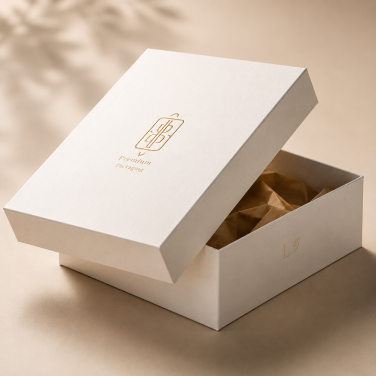
Premium Packaging Solutions
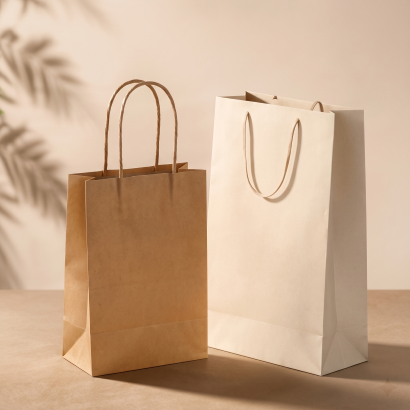
Retail & Food Bags
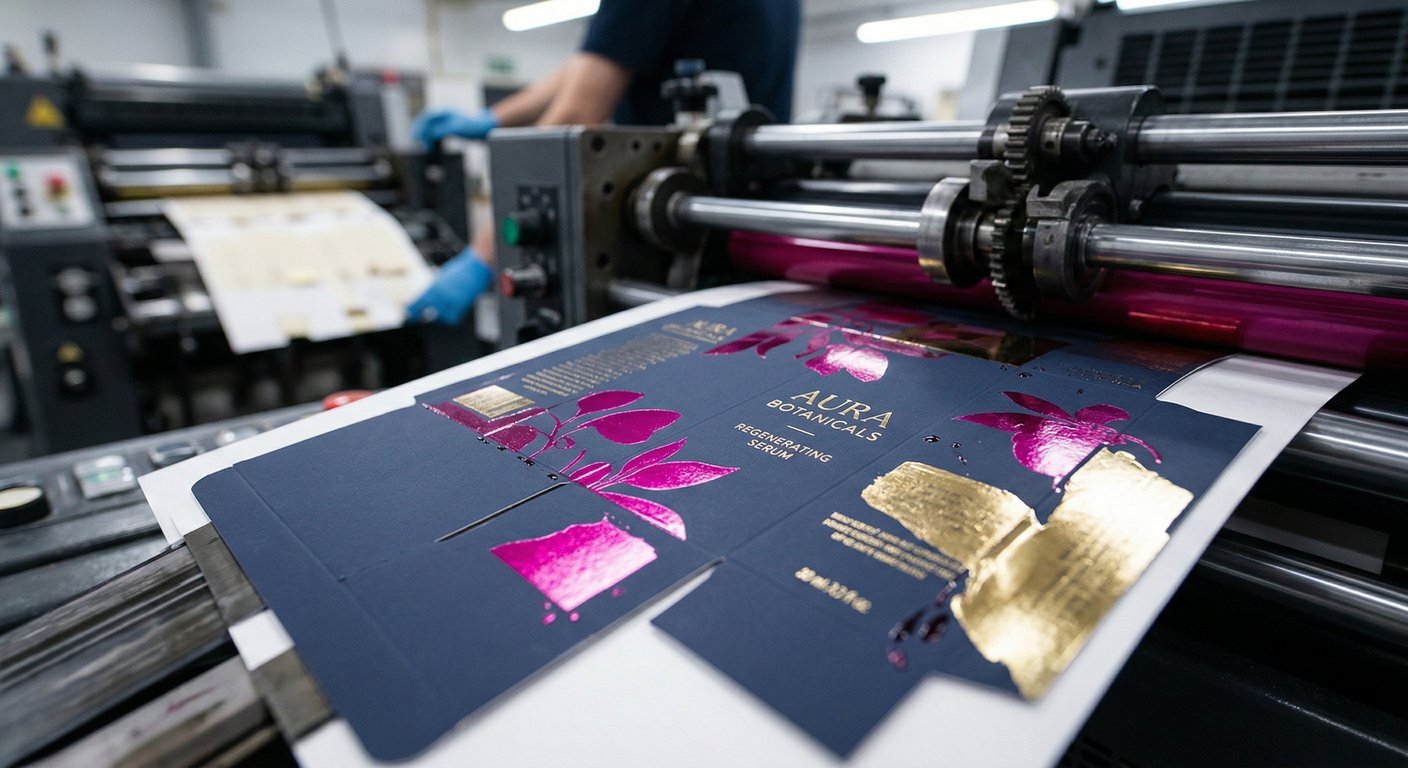
In the highly competitive world of retail packaging, dull, easily scratched, or slow-to-produce materials can cost brands valuable shelf appeal and market share. Traditional printing methods often struggle with long drying times and ink absorption on specialty papers, leading to muted designs. Enter ultraviolet technology. UV printing is a revolutionary commercial process that uses specialized ultraviolet light to instantly dry, or “cure,” specially formulated inks as they hit the paper or packaging substrate.
To understand why this method is so effective, we must look at the ink’s composition. Traditional solvent-based inks dry through the evaporation of solvents into the air—a process that takes time and allows the liquid to soak into the paper fibers, dulling the final color.
UV inks, however, are entirely different. They are composed of liquid monomers, oligomers, and photoinitiators. The ink remains in a completely liquid state on the press until it is exposed to concentrated ultraviolet light lamps. Upon exposure, the photoinitiators trigger a rapid chemical chain reaction known as photopolymerization. This process instantly links the monomers and oligomers together, transforming the liquid into a durable, solid film on the surface of the substrate.