



Book Style Box Packaging Guide
Jul 28, 2026

Premium Packaging Solutions

Retail & Food Bags
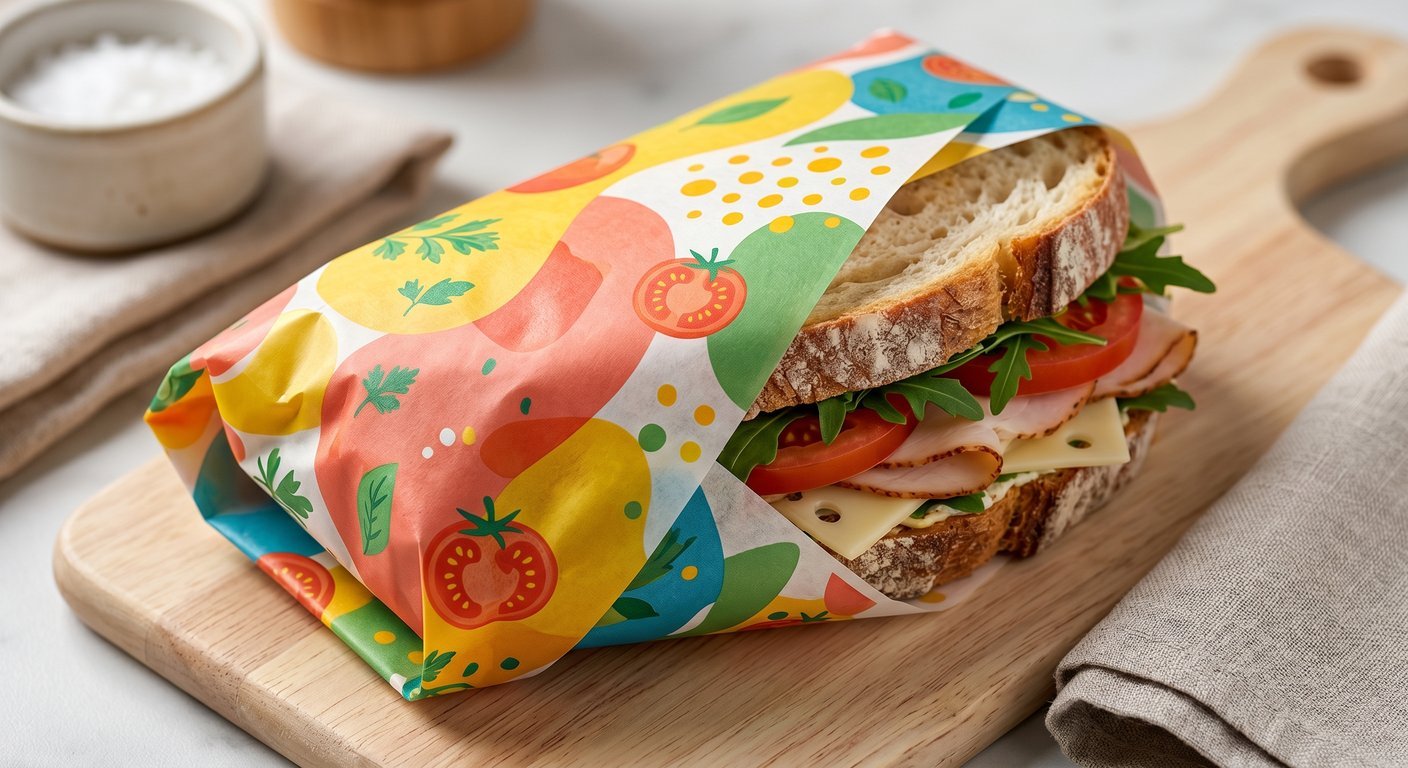
When consumers pick up a baked good, a burger, or a fresh sandwich, the last thing they should worry about is whether the ink on the wrapper is contaminating their meal. This is where the rigorous science and regulation of food grade paper printing comes into play. As brands strive for vibrant, eye-catching designs to capture market share, they must simultaneously navigate complex safety protocols to prevent harmful chemical migration. Ensuring that the ink, coatings, and paper substrate work harmoniously without compromising food safety is the cornerstone of responsible packaging manufacturing.
At its core, decorating packaging meant for direct or indirect food contact requires entirely different materials than commercial magazine or flyer production. Standard commercial inks often contain heavy metals, toxic volatile organic compounds (VOCs), and mineral oils that can easily leach into food products, especially when exposed to heat, grease, or moisture. To mitigate this, manufacturers must utilize specialized low-migration inks and food-safe substrates.
A critical concept in this manufacturing process is understanding “migration.” This refers to the transfer of chemical substances from the packaging material into the food itself. Regulatory bodies strictly monitor these migration limits to ensure public health. For a deeper understanding of the global frameworks governing these interactions, you can review the comprehensive guidelines on Food contact materials.