


Book Style Box Packaging Guide
Jul 28, 2026
Premium Packaging Solutions
Retail & Food Bags
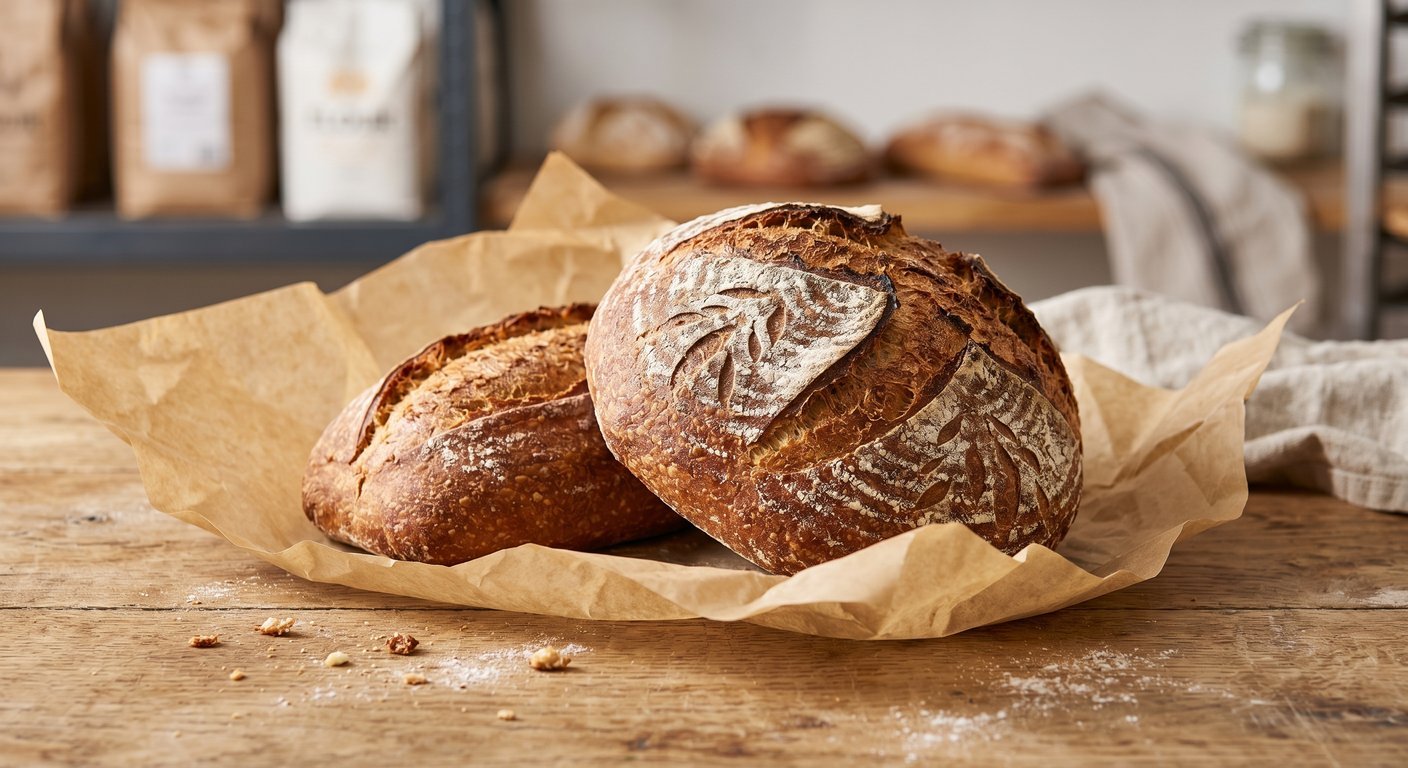
For commercial bakeries, food service providers, and packaging distributors, selecting the right lining material is crucial for operational efficiency, product quality, and environmental compliance. One of the most frequent debates in the food service industry revolves around the choice between non silicone baking paper and its chemically coated counterpart. Understanding the structural differences, non-stick release properties, and ecological footprint of these two materials can significantly impact both your bottom line and your brand’s sustainability goals.
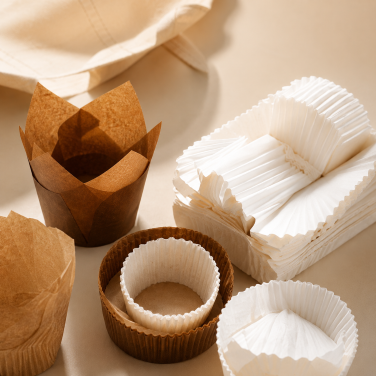
Non silicone baking paper, often referred to as natural greaseproof paper or untreated parchment, is a specialized food-grade paper engineered without the use of synthetic release agents. Instead of relying on a layer of silicone to prevent sticking, it achieves its barrier properties through an intensive mechanical refining process of wood pulp. During manufacturing, the cellulose fibers are tightly beaten, hydrated, and packed together, creating a naturally dense, non-porous surface that effectively resists fats and oils.
Because this material relies entirely on mechanical processing rather than chemical additives, it offers a breathable, highly durable barrier. For those curious about the base mechanics of this pulp treatment, you can explore the history and science behind greaseproof paper. By eliminating the synthetic layer, this untreated paper becomes a highly sustainable option for businesses prioritizing fully compostable, chemical-free food packaging solutions.