


Book Style Box Packaging Guide
Jul 28, 2026
Premium Packaging Solutions
Retail & Food Bags
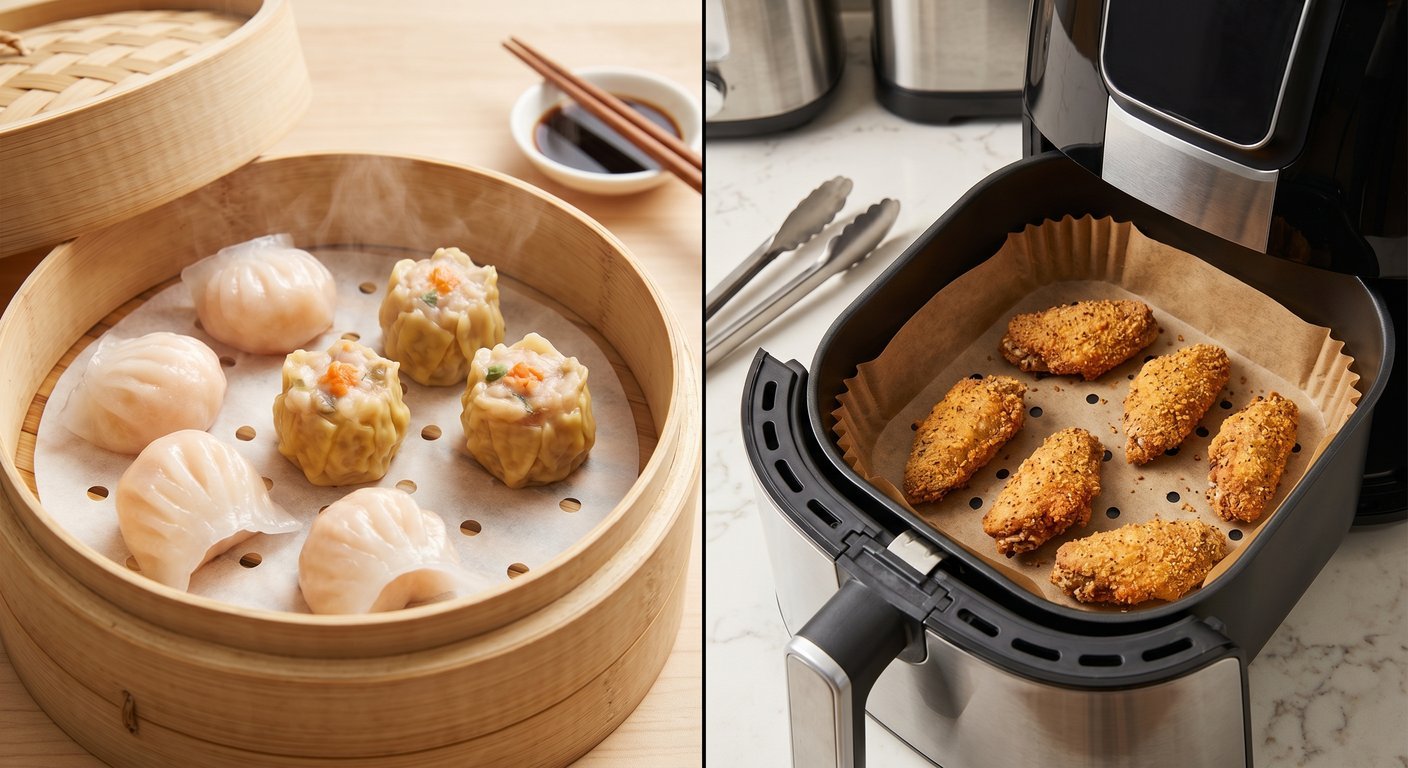
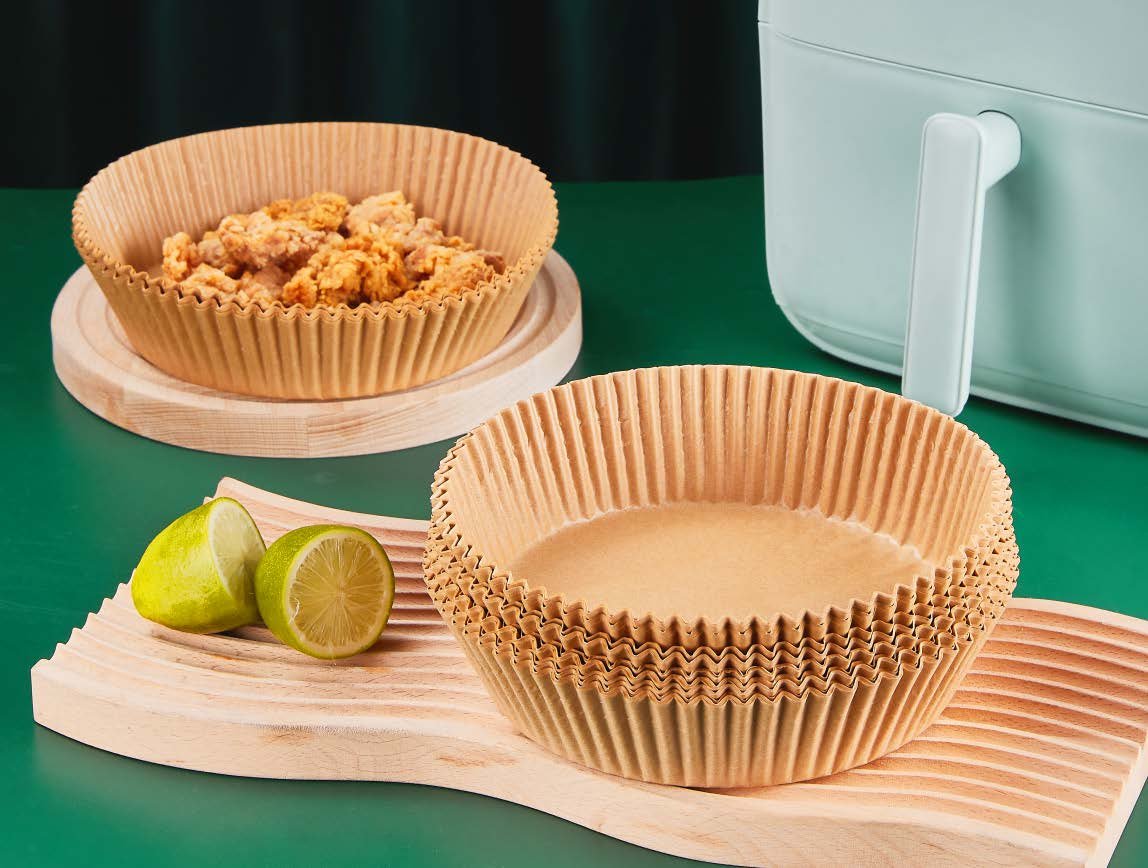
When optimizing commercial kitchen operations or upgrading consumer kitchenware accessories, selecting the correct cooking liner is critical for food quality. While traditional baking sheets have long relied on standard, unbroken silicone-coated rolls, modern cooking methods utilizing rapid air circulation and concentrated steam demand specialized solutions. Today, perforated parchment paper has emerged as a mandatory staple for restaurants, bakeries, and home chefs looking to maximize the efficiency of their bamboo steamers, air fryers, and convection ovens. Understanding the thermal and structural differences between solid and vented liners is the key to achieving the perfect crisp or the ideal steam.
To understand the value of these specialized liners, we must first look at how they are manufactured. Standard parchment goes through a rigorous process of pulping, pressing, and chemical treatment—usually a wash in sulfuric acid or zinc chloride—to partially dissolve or gelatinize the paper. This creates a highly dense, cross-linked material that boasts excellent heat resistance and a non-stick surface. Following this, a food-grade silicone coating is applied to further enhance its non-stick capabilities. You can learn more about the chemical foundation of this heat-resistant material by exploring the history of Parchment paper.
The distinct difference lies in the post-production processing. A perforated liner is mechanically die-cut to feature a precise grid of small holes. These ventilation holes are meticulously spaced to allow maximum fluid and gas dynamics while maintaining enough structural integrity to hold the weight of food items like dumplings, pastries, or breaded proteins without tearing.