




The Ultimate Guide to Printed Greaseproof Paper for Restaurants
May 27, 2026

Premium Packaging Solutions

Retail & Food Bags
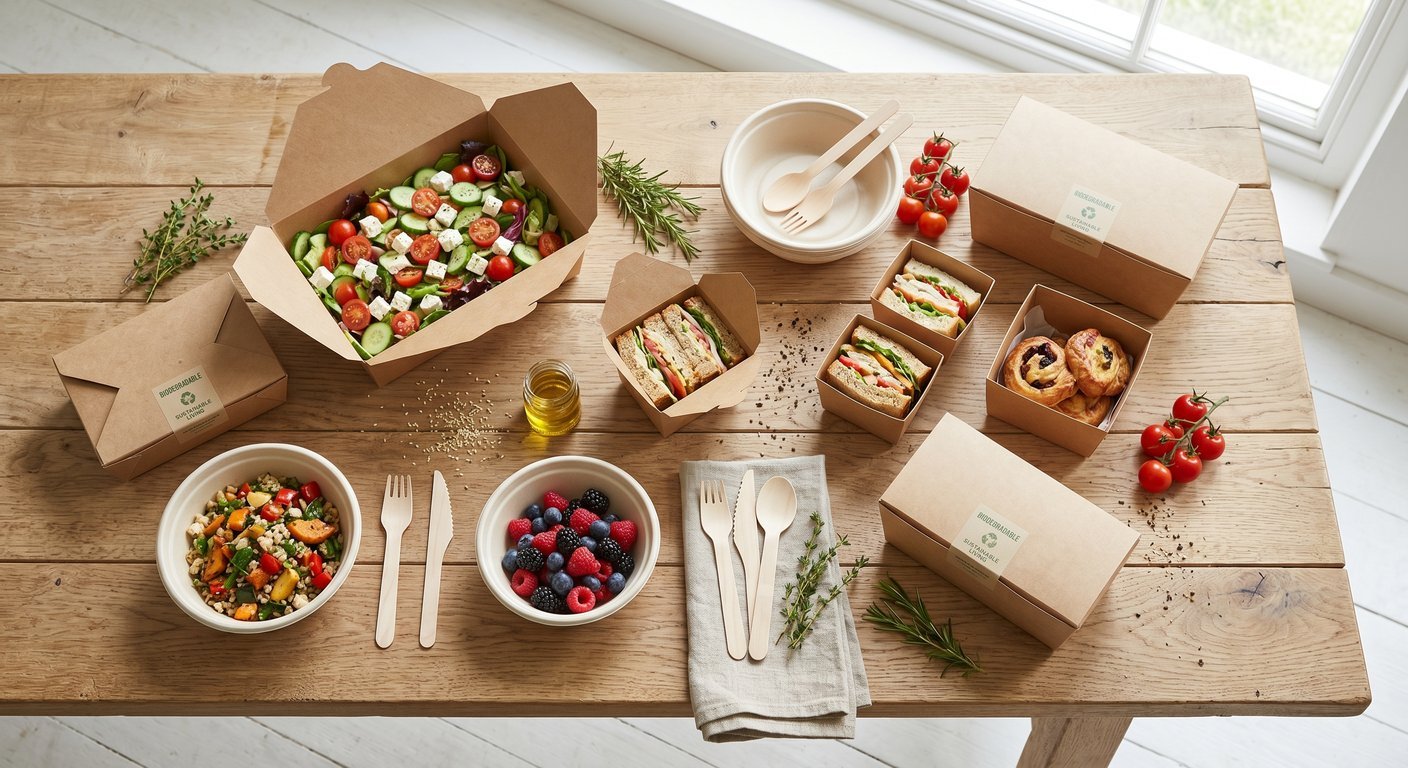
The food service industry is undergoing a massive transformation, driven largely by consumer demand and tightening global regulations designed to reduce environmental waste. With cities and nations worldwide implementing strict bans on single-use plastics, adapting your business model is no longer just a moral choice, but a legal and operational necessity. For food business owners and operators, finding the right restaurant supplies packaging is no longer just about basic food containment; it is about aligning with environmental values without compromising food quality, presentation, or profit margins. The shift towards sustainable solutions can seem daunting given the sheer variety of materials available today, from compostable bioplastics to recycled paperboards. This comprehensive guide breaks down how to evaluate eco-friendly options effectively, ensuring your business stays highly competitive and environmentally responsible.
When we evaluate the environmental impact of takeout, delivery, and catering, the conversation inevitably centers on the devastating effects of single-use plastics. Upgrading your restaurant supplies packaging to eco-friendly alternatives significantly minimizes your overall carbon footprint and strongly appeals to a rapidly growing demographic of eco-conscious diners. Studies consistently show that modern consumers, particularly millennials and Gen Z, are willing to pay a premium for dining experiences that prioritize sustainability. This means your choice of containers acts as a silent but powerful ambassador for your brand’s core ethics.
Modern sustainable packaging is engineered to perform just as well as, if not better than, traditional plastics. It offers excellent grease resistance, superior thermal insulation, and structural integrity. A critical factor in evaluating these innovative materials is understanding their end-of-life cycle, particularly the complex process of biodegradation and compostability. Not all “green” packaging breaks down the same way or at the same speed. Some materials require commercial composting facilities with high, sustained heat, while others can naturally decompose safely in a standard home compost bin. Selecting the right type depends heavily on your local waste management infrastructure and your customers’ daily disposal habits.