

The Ultimate Guide to Printed Greaseproof Paper for Restaurants
May 27, 2026
Premium Packaging Solutions
Retail & Food Bags
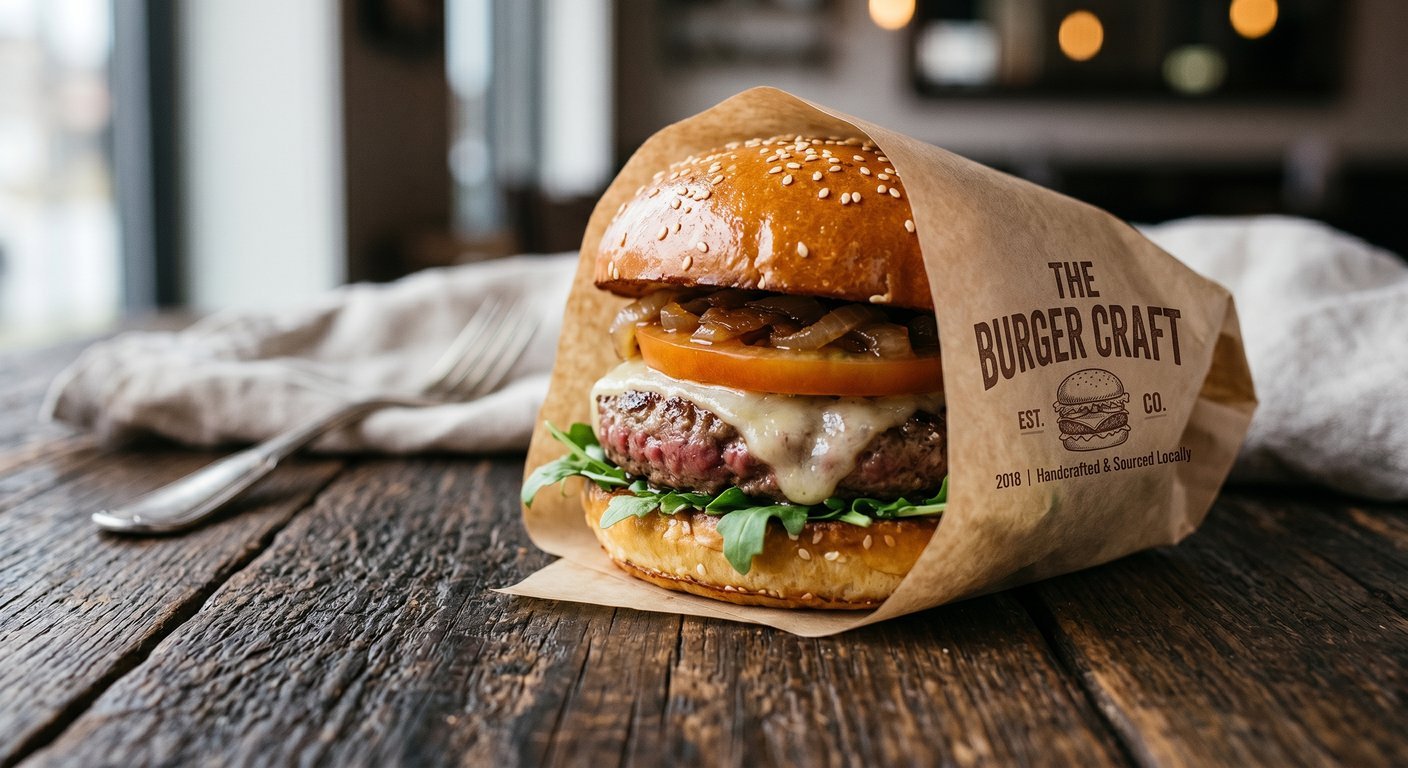
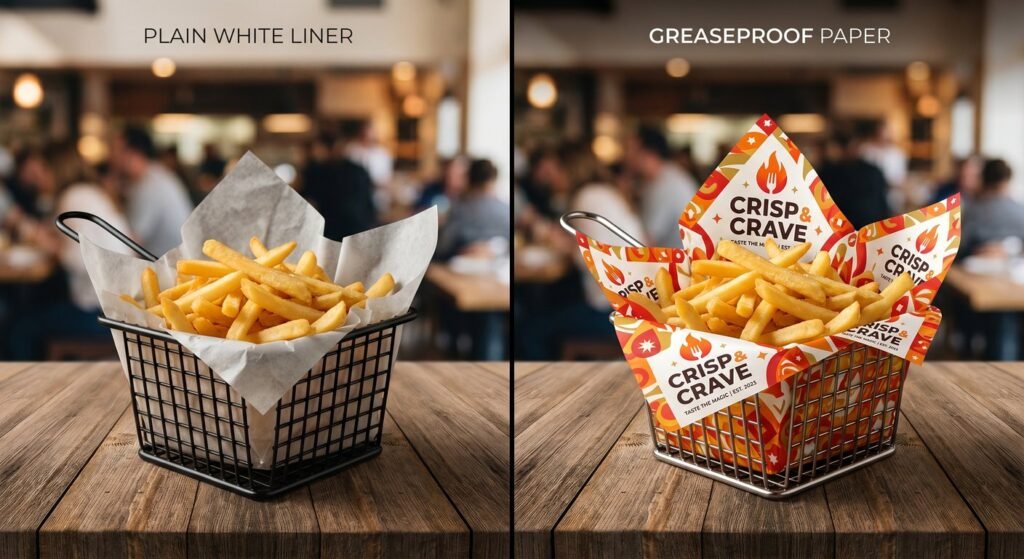
When serving high-quality burgers, artisan sandwiches, or crispy fries, the last thing any restaurant wants is a soggy, unappealing presentation. Presentation and functionality go hand-in-hand in the culinary world, which is exactly where high-quality printed greaseproof paper becomes an indispensable asset. It not only prevents messy oil leaks from ruining the customer experience but also transforms every meal into a highly visible marketing opportunity. By turning a simple wrapper into a canvas for your brand’s identity, you can foster brand loyalty with every single bite.
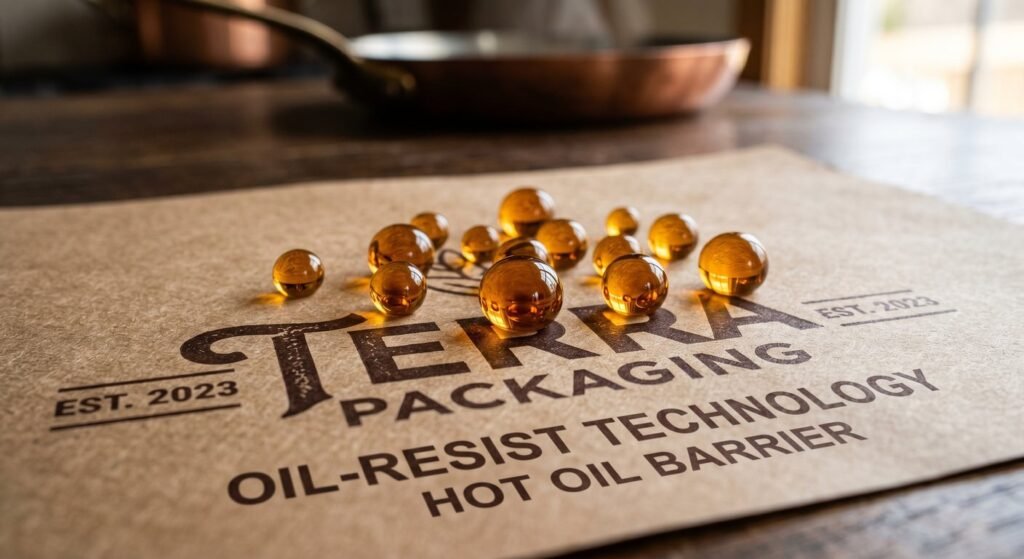
To truly appreciate its value in modern food service, understanding the mechanics of printed greaseproof paper is crucial. Unlike standard parchment or wax paper, true greaseproof paper is manufactured through a specialized refining process. The paper fibers are tightly beaten and essentially “hydrated” until they become heavily intertwined, creating a dense, non-porous sheet that naturally resists oils and fats without the need for harmful chemical coatings.
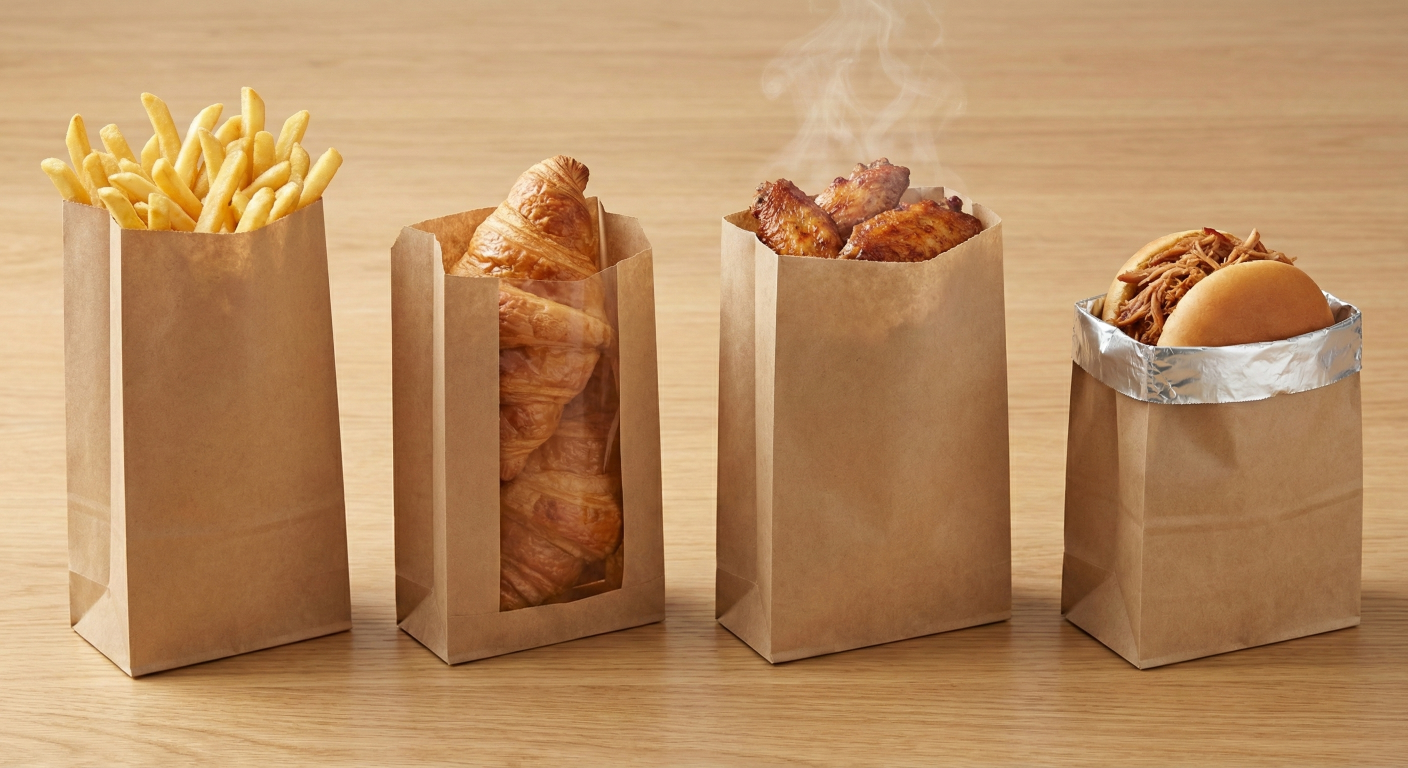
This mechanical barrier ensures that even the most oil-heavy foods, like fried chicken or greasy smash burgers, remain neatly contained. Furthermore, modern advancements in food packaging ensure that the inks used to brand these papers are completely food-safe, non-toxic, and resistant to bleeding or smudging when exposed to heat and moisture.