

Book Style Box Packaging Guide
Jul 28, 2026
Premium Packaging Solutions
Retail & Food Bags
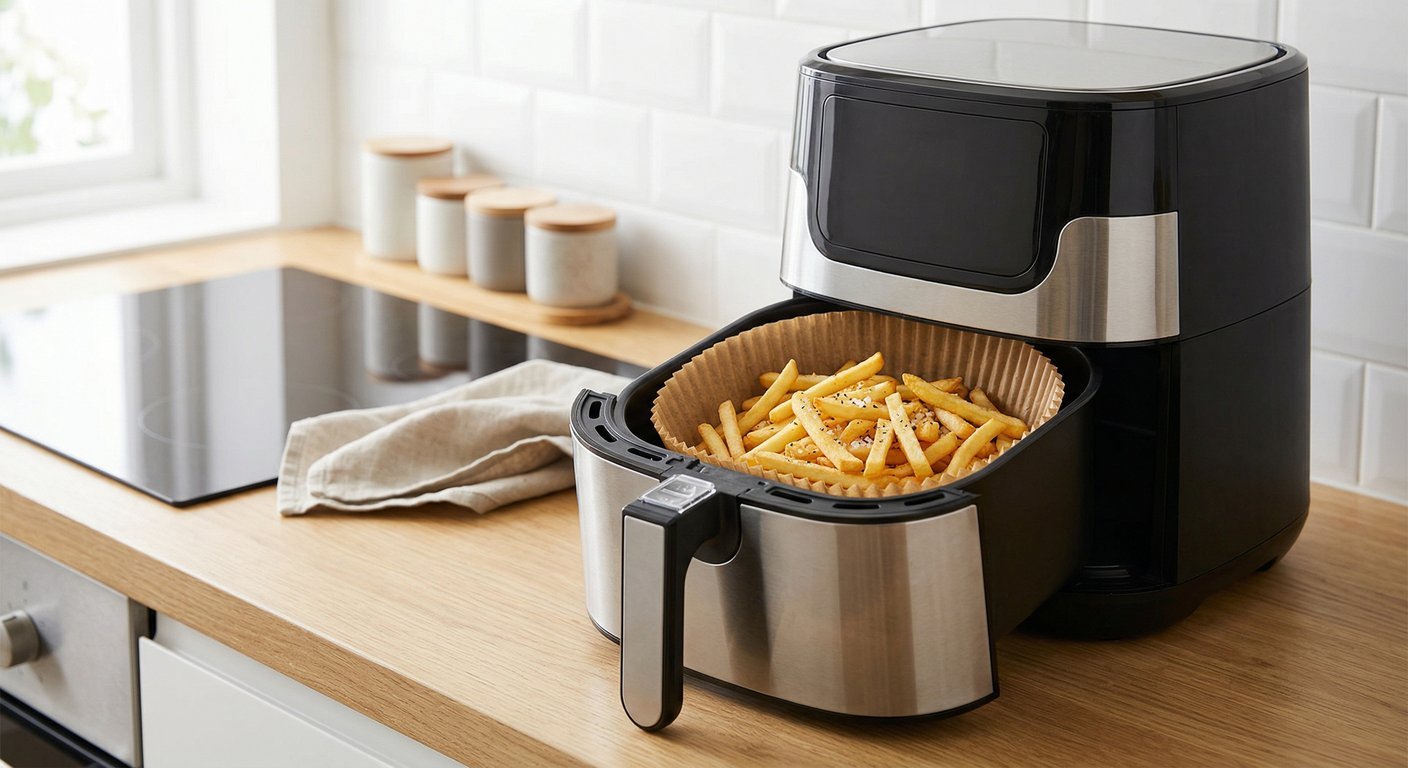
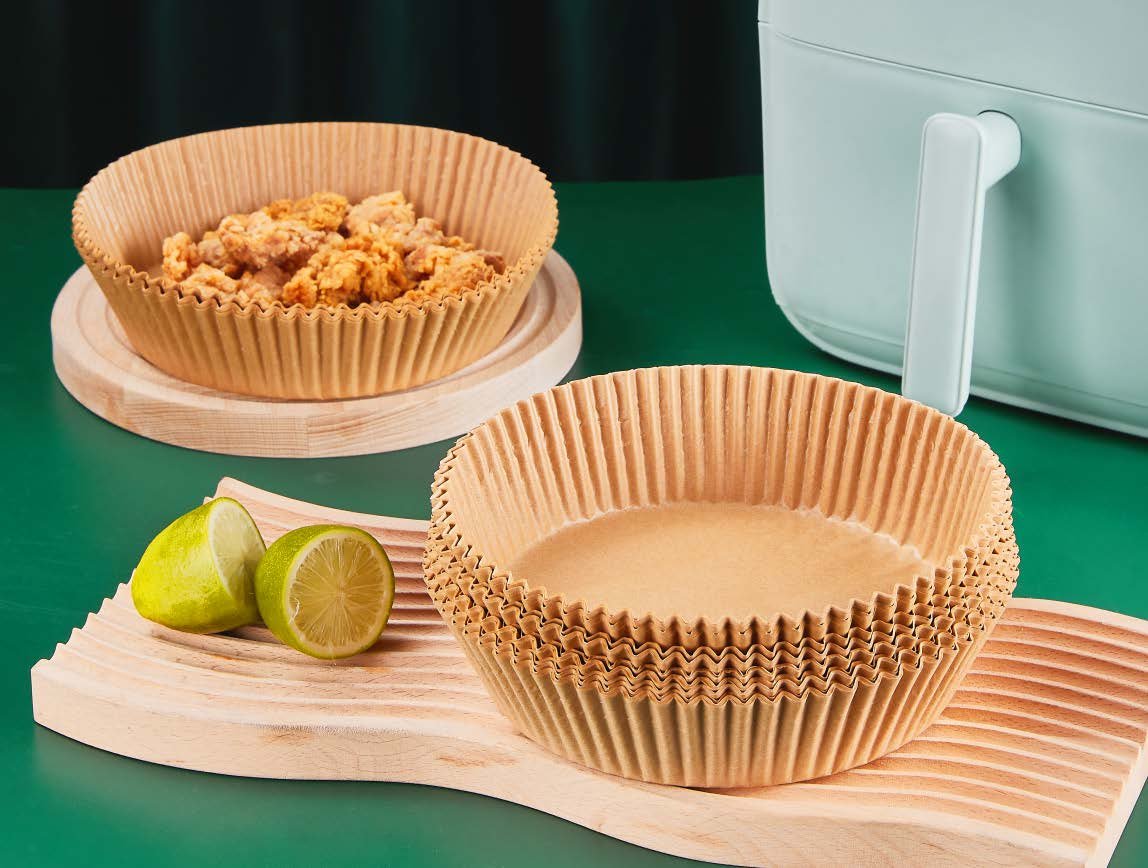
Consumers and food service businesses alike face a common pain point when using air fryers: the stubborn, baked-on grease and food residue left behind in the basket. To solve this, the market has introduced various disposable solutions, but choosing the right material is critical for food safety and cooking performance. The two most common materials used for air fryer paper liners are silicone oil paper and traditional parchment paper. Understanding the technical differences between these two substrates is essential for selecting the perfect packaging product for your specific culinary or retail needs.
Before diving into performance metrics, it is important to understand the manufacturing process of each material. Traditional parchment paper is created by running sheets of paper pulp through a bath of sulfuric acid or zinc chloride. This process partially dissolves or gelatinizes the paper, resulting in a dense, cross-linked material that is highly heat-resistant and grease-resistant.
On the other hand, silicone oil paper (often referred to as baking paper) starts as a high-density wood pulp paper that is then coated with a food-grade silicone layer on one or both sides. This ultra-thin silicone coating provides an exceptionally smooth surface, transforming the base paper into a highly functional barrier.