


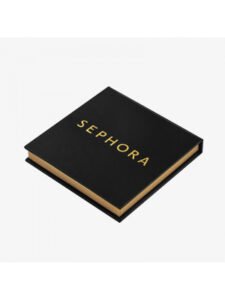
Book Style Box Packaging Guide
Jul 28, 2026
Premium Packaging Solutions
Retail & Food Bags
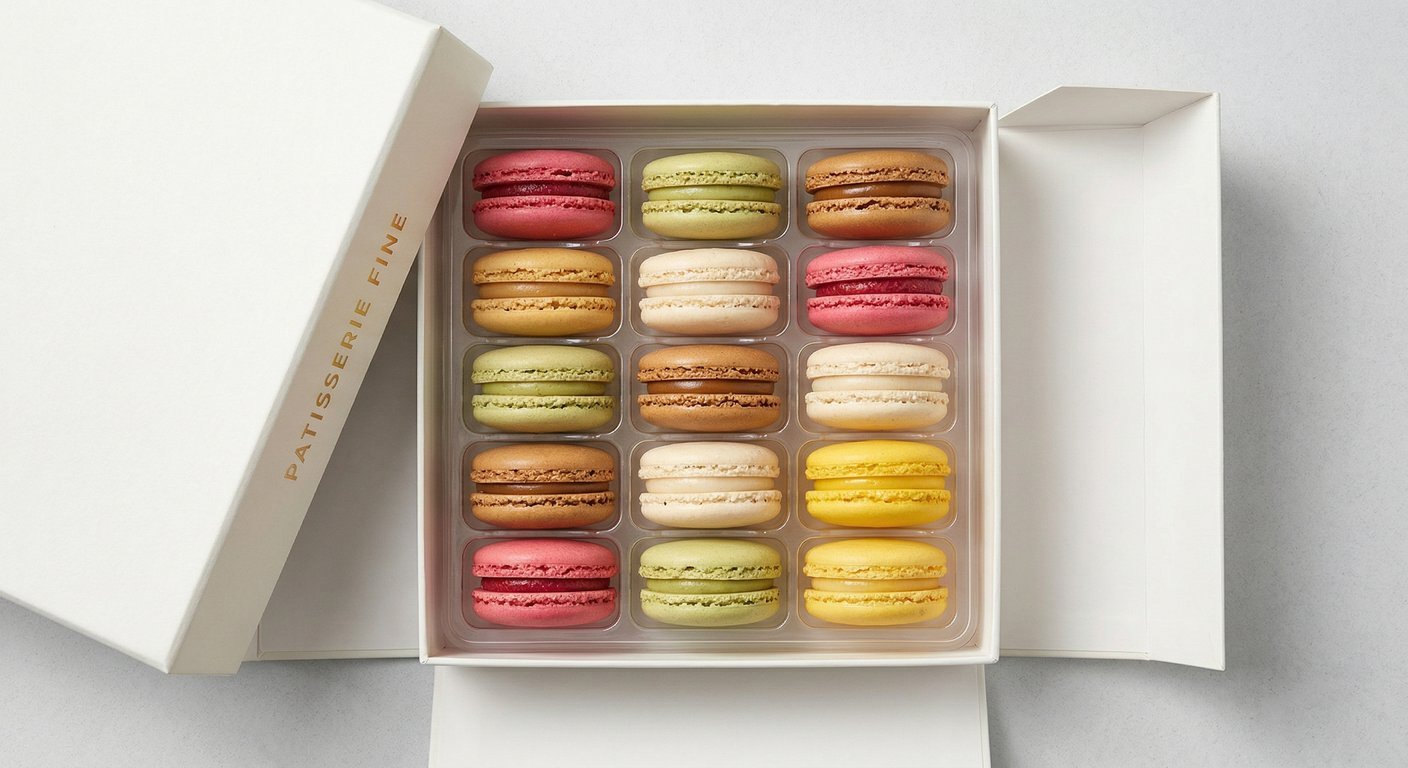
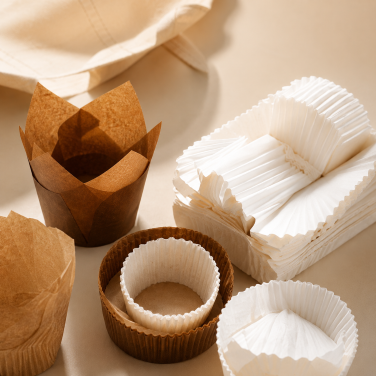
Macarons are notoriously delicate confections, requiring precise environmental controls and structural support to survive transport from the bakery to the consumer. Effective macaron packaging is not merely about visual aesthetics; it is a critical structural challenge. The iconic crisp shell and soft ganache interior are highly susceptible to crushing, moisture damage, and sticking. To combat these issues, the industry gold standard relies on a specialized combination: rigid compartment trays paired with moisture-proof, anti-stick liner papers.
The structural foundation of any reliable pastry box is the internal tray. Because macarons are round and fragile, they require individual cavities to prevent them from colliding during transit.
When selecting materials for these compartment trays, manufacturers generally choose between two types of plastics: PET and PVC.