
Custom Printed Greaseproof Paper MOQ: Cost per Sheet Guide
Oct 22, 2026

Premium Packaging Solutions
Retail & Food Bags
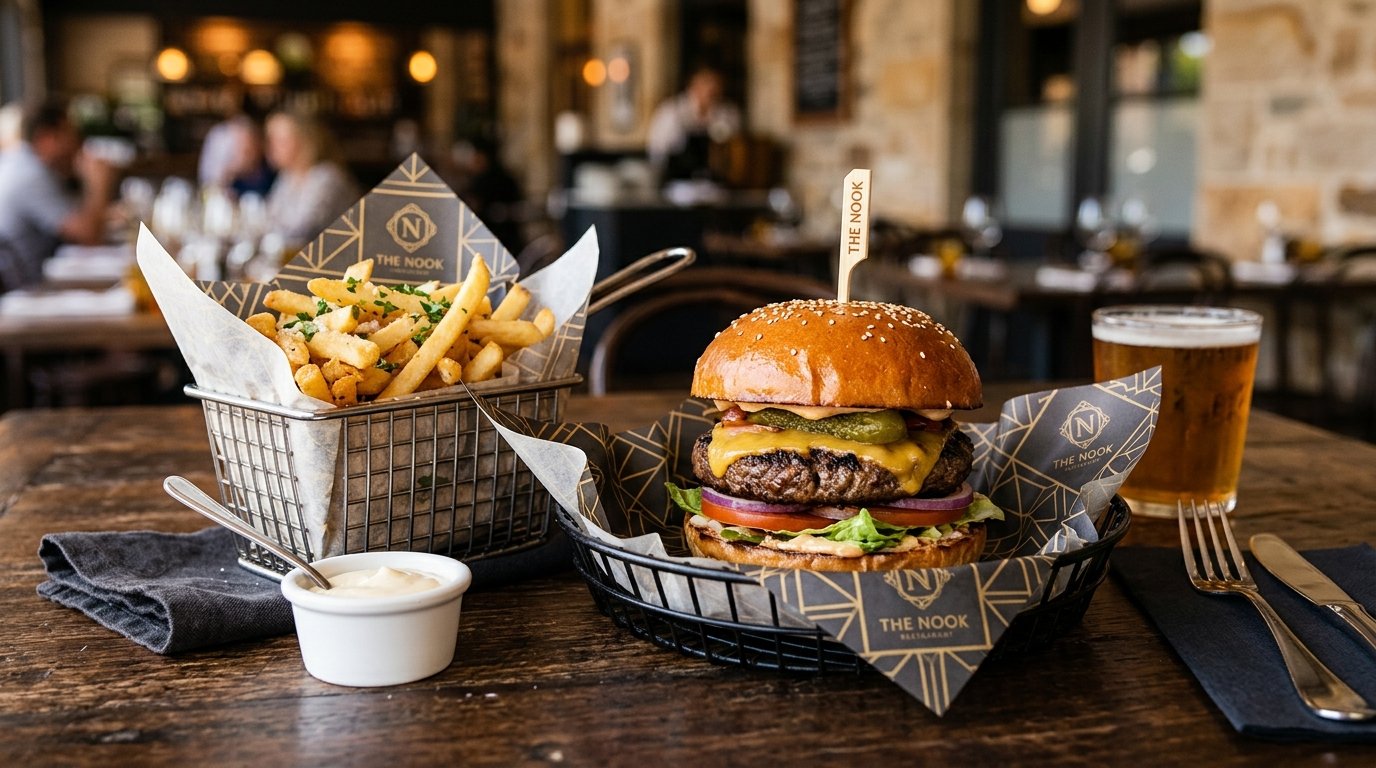
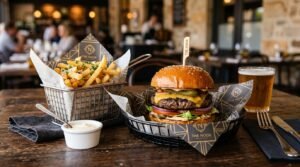
Navigating the economics of custom printed greaseproof paper moq (Minimum Order Quantity) is one of the most critical purchasing milestones for growing burger chains, artisan bakeries, and fast-casual food brands. While branded food wraps elevate table presentation and drive viral social media impressions, first-time restaurant buyers often face sticker shock when factories quote minimum order volumes of 25,000 to 100,000 sheets alongside steep printing plate fees.
Understanding why custom printed greaseproof paper moq thresholds exist requires looking beneath the surface of packaging sales into the physical mechanics of industrial rotary flexographic web presses. By learning how paper mill parent roll widths, cylinder plate amortization, and slitting trim waste intersect, savvy operators can unlock significant savings and negotiate lower minimum runs.
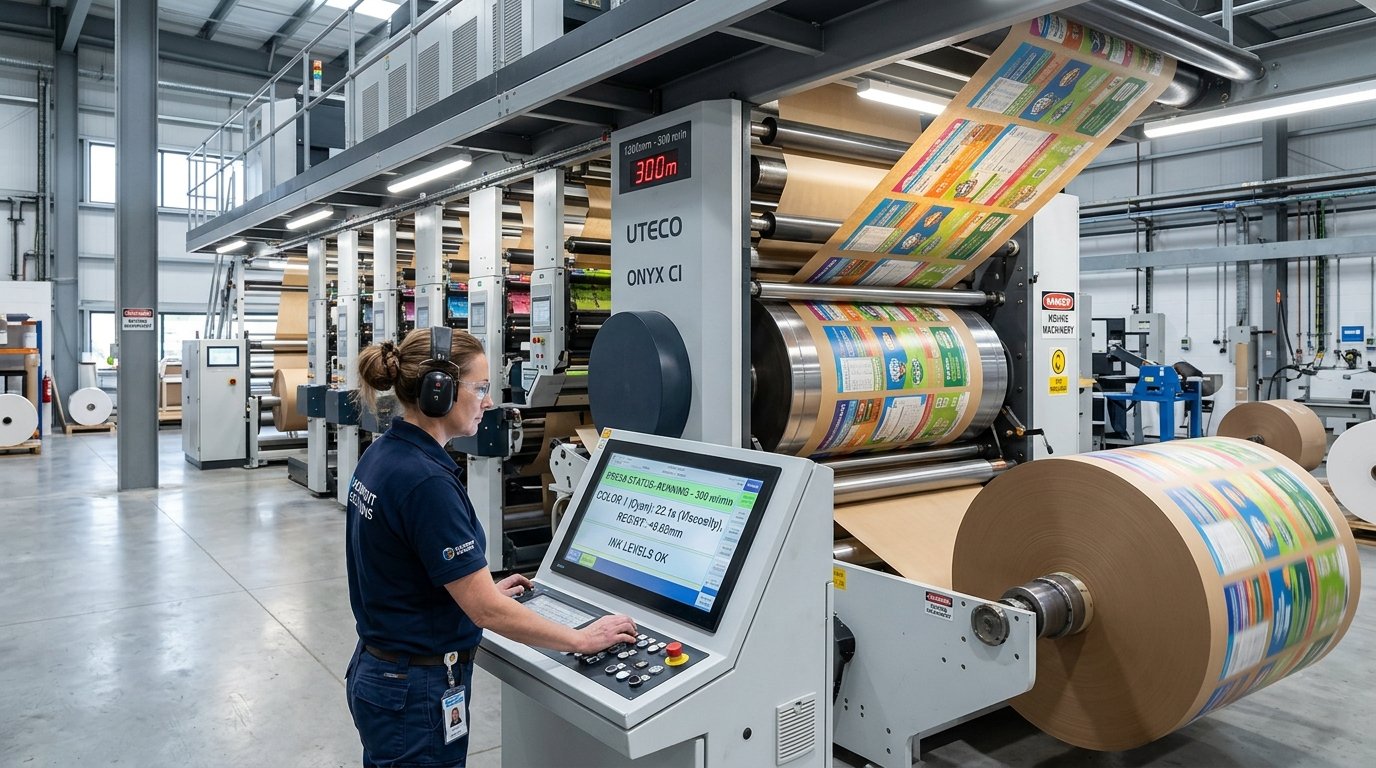
Unlike digital sheet-fed paper printing that can print a single copy on demand, commercial greaseproof paper converting operates on massive, high-speed continuous roll-to-roll (web) presses running at 200 to 400 meters per minute:
[Parent Paper Mill Jumbo Roll (Width: 1,200mm – 1,600mm)]
                                ▼
[High-Speed Central Impression (CI) Flexographic Press]
                                ▼
[Makeready Ink Balancing & Register Calibration (Generates 300–500m of Startup Scrap)]
                                ▼
[High-Speed Rotary Slitter-Rewinder & Rotary Sheeter (Trim Waste Optimization)]
                                ▼
[Finished Flat Pre-Cut Deli Sheets (Packed in 1,000-Sheet Cartons)]Before a single commercially acceptable printed sheet comes off an industrial flexographic press, the machine must undergo set-up (makeready). Operators mount photopolymer plates onto magnetic cylinders, pump food-grade soy or water-based inks into ink ducts, calibrate anilox roller cell volume, and dial in multi-color print registration at running speed.
This calibration sequence burns through 300 to 800 meters of raw paper before color registration and ink density stabilize. If a brand orders only 5,000 small sheets (which represents a mere 1,500 linear meters of paper), setup scrap alone can equal 30% to 50% of the entire production run. The factory has no choice but to price those short runs prohibitively high to absorb start-up fiber loss.
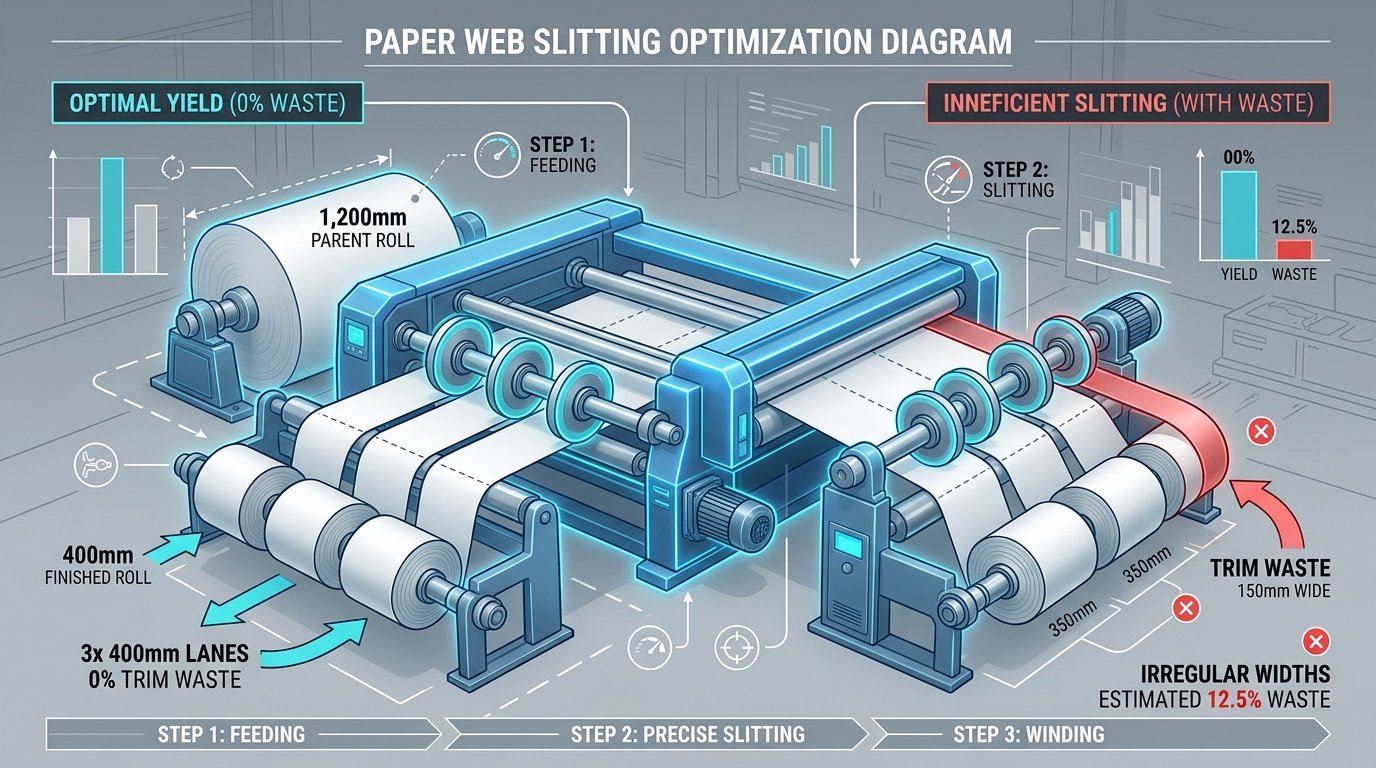
Commercial paper mills produce greaseproof barrier paper on massive master jumbo reels with standardized deckle widths—typically 1,200 mm, 1,400 mm, or 1,600 mm.
When an overseas brand specifies an unconventional custom cut sheet size—for instance, 330 mm x 330 mm—the factory must divide that parent roll across its width: