
The Ultimate Guide to Muffin Liners: Materials, Sizes, and Custom Printing
Technical Guide

The Ultimate Guide to Muffin Liners: Materials, Sizes, and Custom Printing

📅 Apr 22, 2026 👤 Cody Kang

For commercial bakeries and independent pastry chefs alike, the right packaging can make or break a delicate baked good. Choosing the incorrect paper can lead to frustratingly sticky cakes, unsightly grease stains, or a collapsed structure during the baking process. That is why selecting the appropriate muffin liners is one of the most critical decisions a baking professional can make to ensure product quality, aesthetic appeal, and customer satisfaction. This comprehensive wiki breaks down everything you need to know about materials, sizing, and custom branding.

1. Understanding Muffin Liners and Material Types

The performance of any baking cup comes down to its raw material. When batter expands and releases moisture and fats under high heat, the paper must withstand the pressure without degrading.
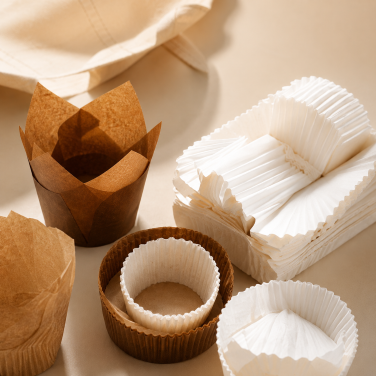
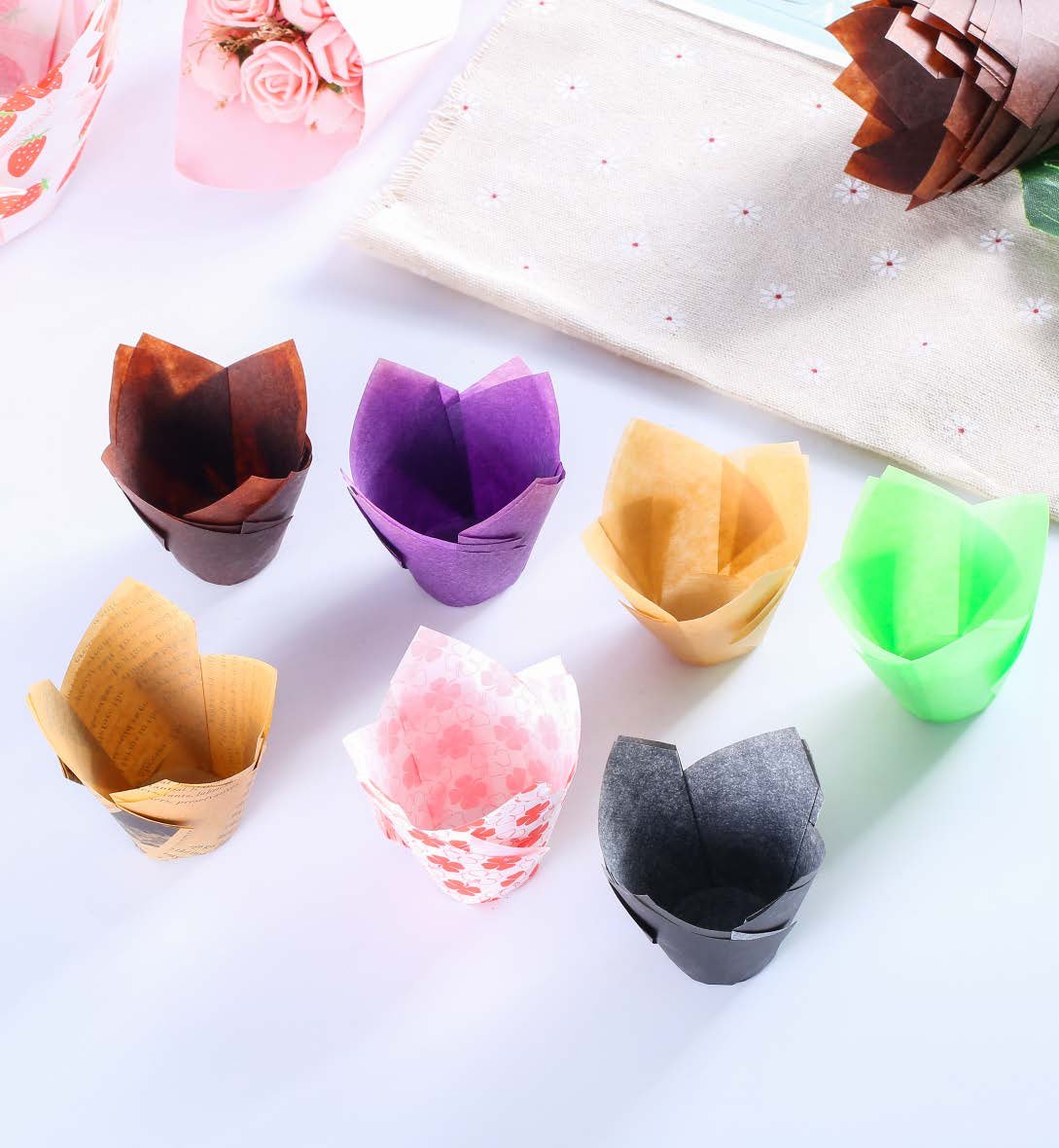
  1. Standard Greaseproof Paper: This is the most common material used in the industry. It undergoes a heavy mechanical refining process that tightly packs the cellulose fibers, creating a natural barrier against fats. While excellent for standard recipes, exceptionally buttery batters might still cause slight translucent spots.
  2. Silicone-Coated (Parchment) Paper: For premium non-stick performance, silicone-treated parchment paper is the gold standard. The ultra-thin silicone layer ensures that even the stickiest, sugar-heavy batters release effortlessly after cooling, keeping the cake’s structural integrity intact.
  3. PET Laminated Paper: This material features a thin layer of polyethylene terephthalate (PET) plastic laminated to the paper. It offers superior structural rigidity and absolute greaseproof properties, often used for heavy batters or when the liner needs to stand alone on a baking sheet without a rigid metal pan.
  4. Aluminum Foil-Lined: Foil cups provide a brilliant metallic finish and excellent shape retention, making them ideal for high-end retail displays and dense, heavy cakes.
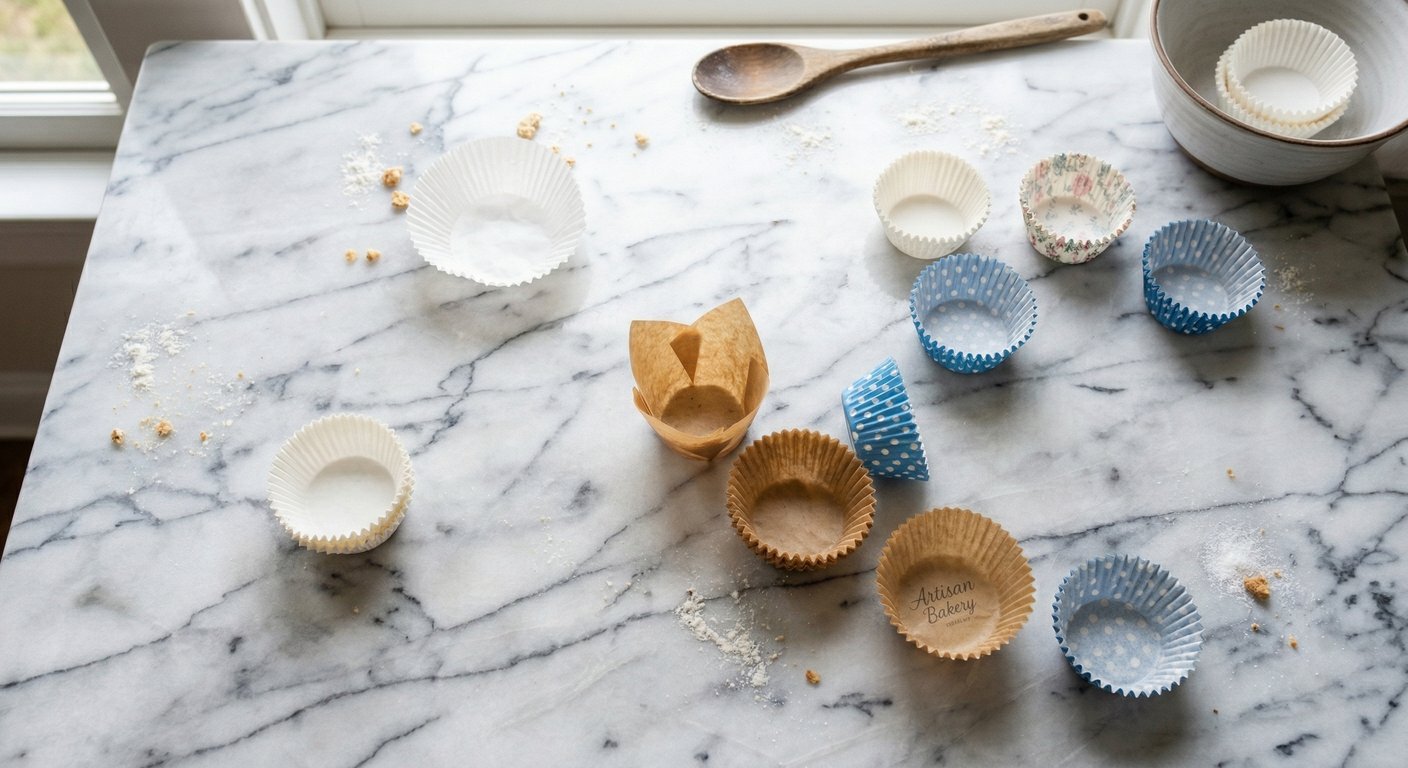
Comparison showing easy mold release of greaseproof muffin liner materials.