

Unbleached Kraft vs White Food Paper: Branding & Factory Guide
Oct 15, 2026
Premium Packaging Solutions
Retail & Food Bags
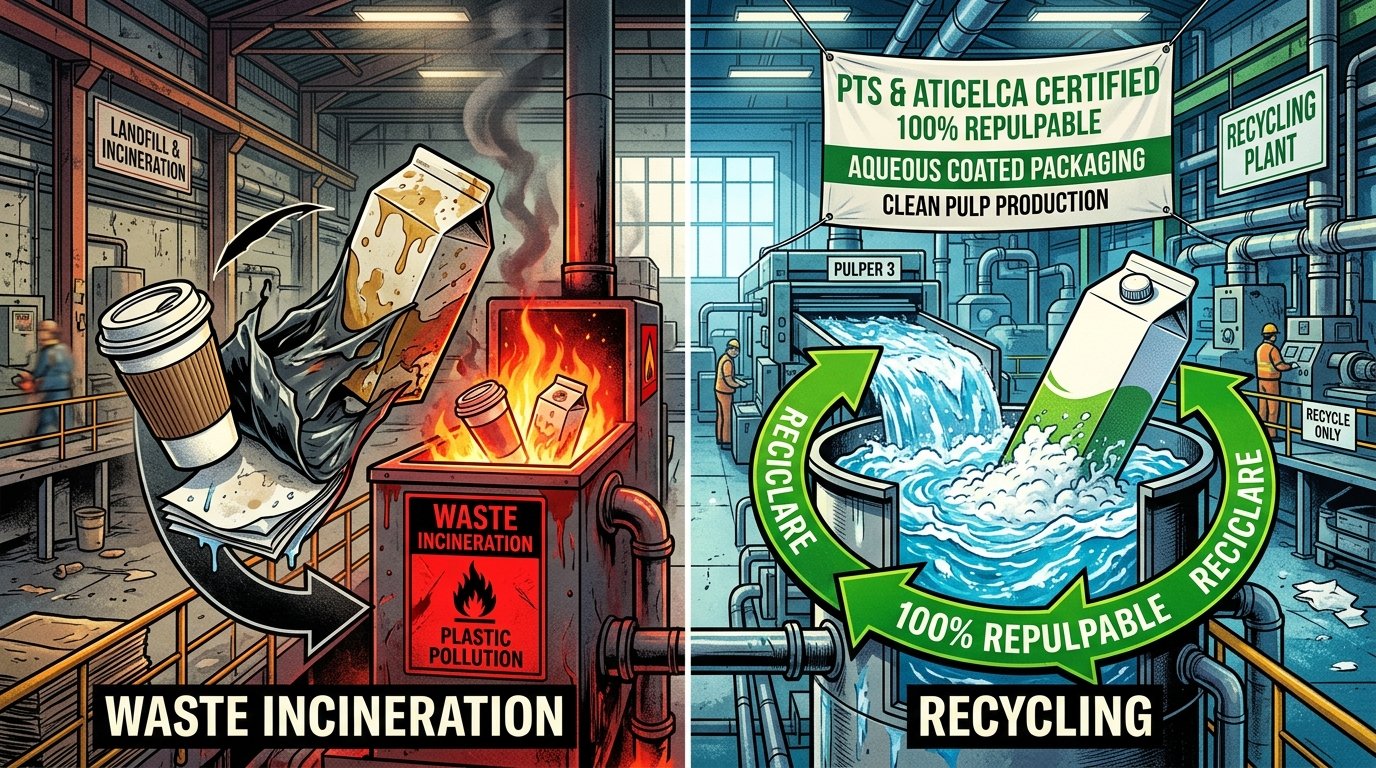
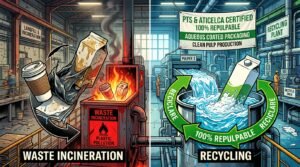
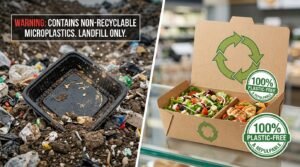
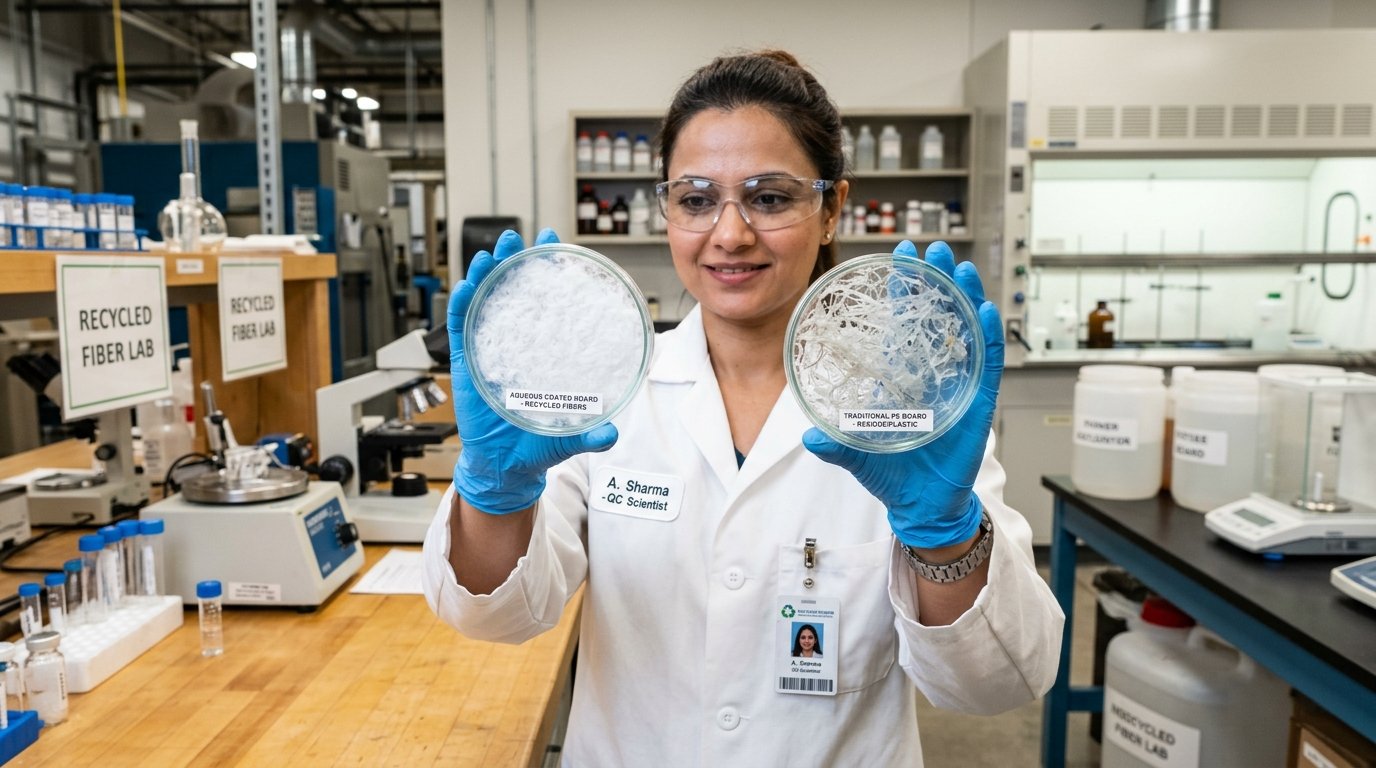
In modern sustainable packaging, adopting certified water based barrier coating paper is revolutionizing how food brands achieve genuine, circular recyclability without sacrificing grease or moisture resistance. While traditional polyethylene (PE) lined cartons claim recyclability on consumer packaging, municipal paper mills routinely reject them because insoluble plastic film clogs industrial hydropulpers and screening machinery.
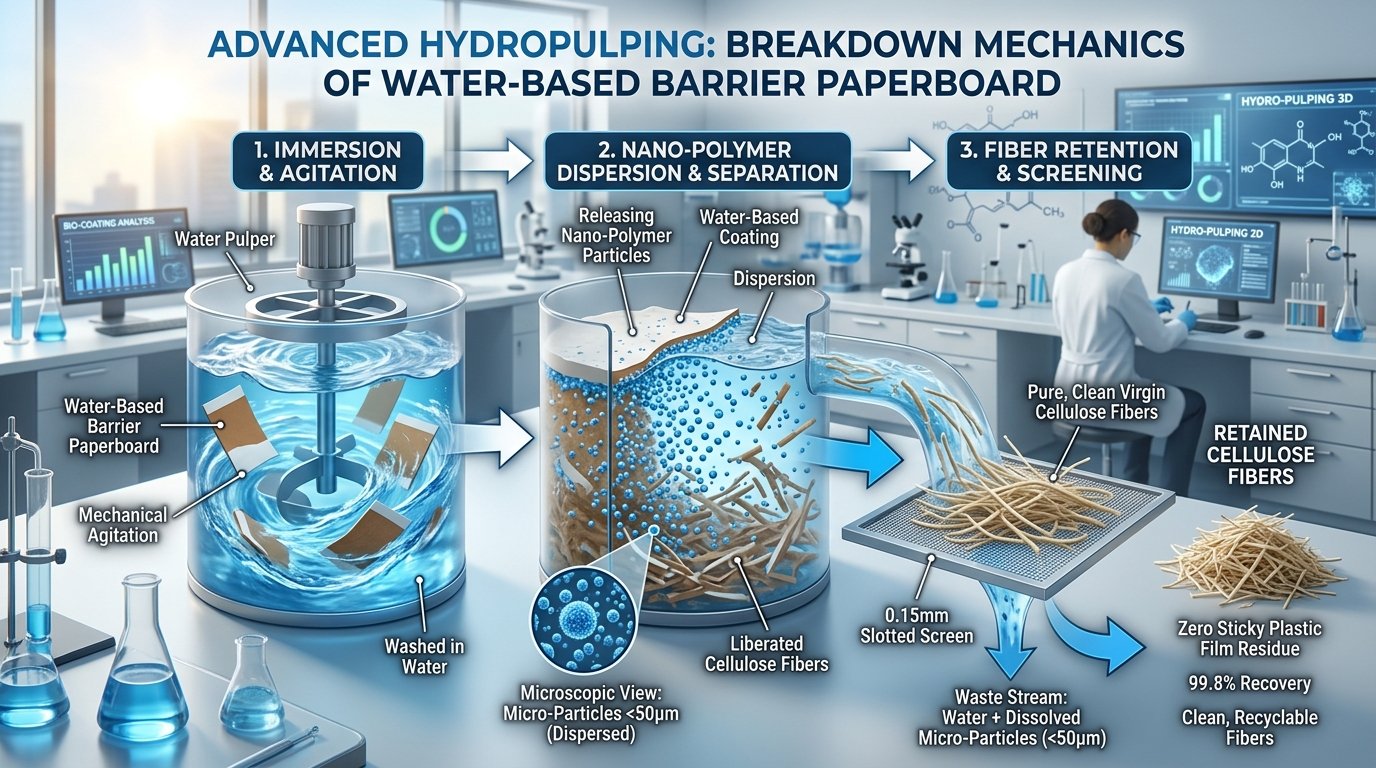
The emergence of water based barrier coating paper (often termed Aqueous Dispersion Coated or ADC board) represents a major technological leap. Unlike traditional plastic-laminated films, aqueous dispersion chemistry is engineered to dissolve and disperse during standard municipal hydropulping, allowing high-grade virgin pulp fibers to be fully reclaimed.
The secret of an effective water-based barrier lies in the physics of polymer dispersion rather than extrusion film lamination:
[Aqueous Emulsion Application on Paper Web]
                    ▼
[Thermal Drying ➔ Water Evaporation]
                    ▼
[Nano-Polymer Latex Coalescence (Forms Impermeable Hydrophobic Lattice)]
                    ▼
[Municipal Hydropulping ➔ Polymer Lattice Breaks Down into Micro-Dispersions (<50µm)]
                    ▼
[Clean Cellulose Fiber Slurry Retained on Screen (>92% Usable Pulp)]