
Unbleached Kraft vs White Food Paper: Branding & Factory Guide
Oct 15, 2026
Premium Packaging Solutions
Retail & Food Bags
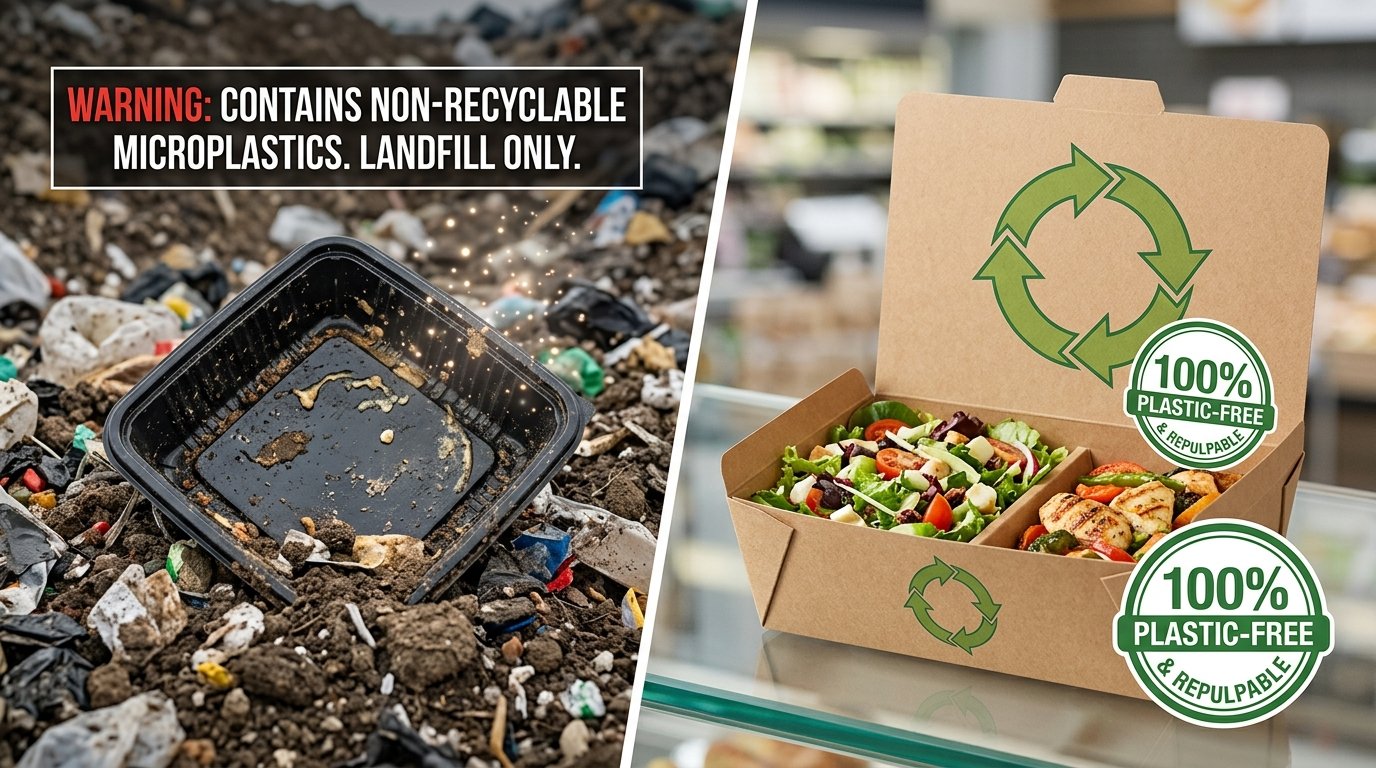
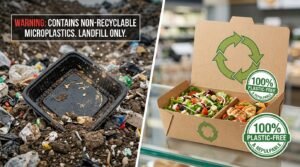
Sourcing certified plastic free food packaging alternatives has become an urgent business imperative for quick-service restaurant chains, FMCG brands, and commercial foodservice operators worldwide. With single-use plastics bans and landfill taxes expanding across Europe and North America, food brands must phase out traditional petroleum polyethylene (PE) extrusion coatings in favor of truly circular, recyclable paperboard solutions.
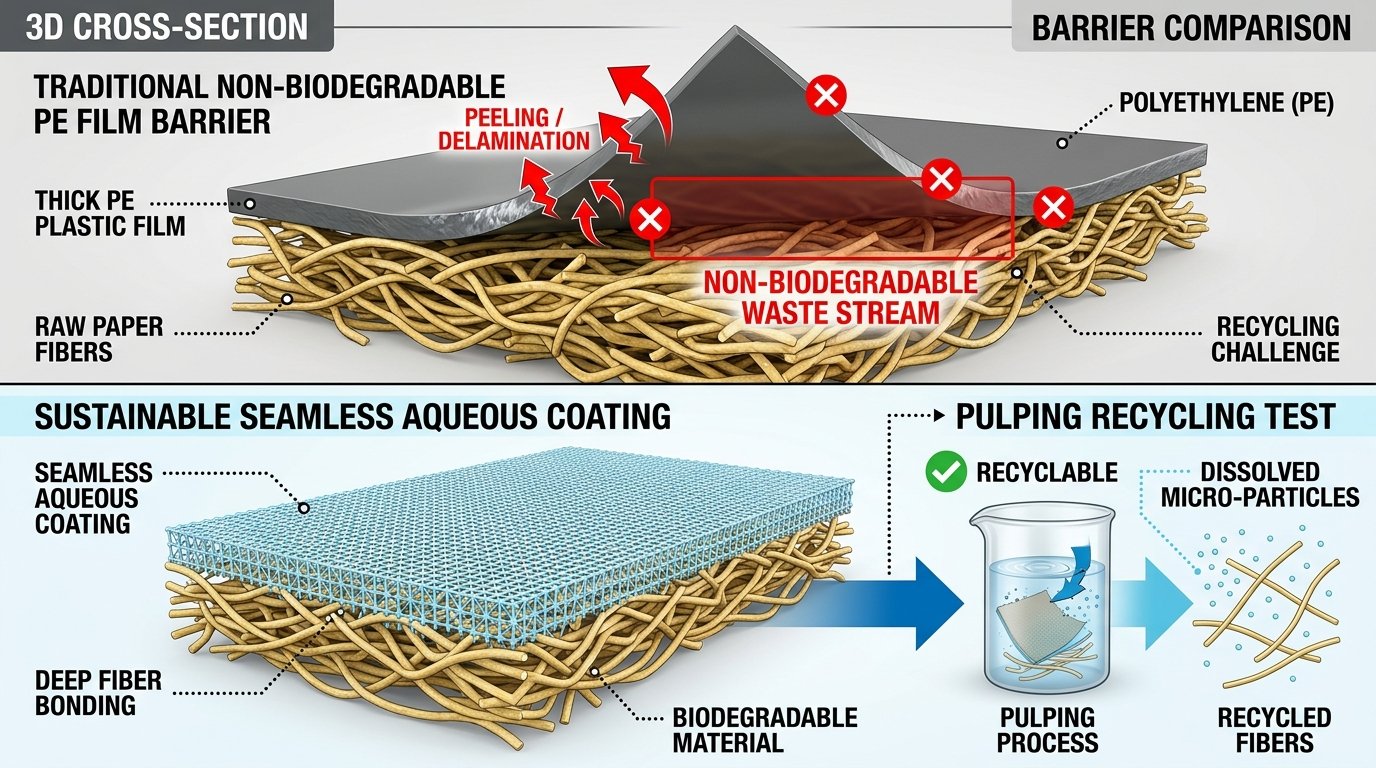
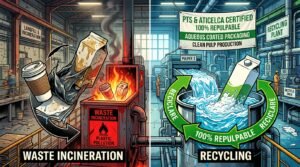
For decades, extruded polyethylene (PE) reigned supreme as the cheapest barrier for paper cups, takeout cartons, and frozen food boxes. However, because PE-lined paper cannot be recycled in 95% of standard municipal mills, evaluating high-performance plastic free food packaging alternatives—such as bio-coatings and aqueous dispersion barriers—is now the cornerstone of modern packaging procurement.
To appreciate why the transition away from PE is challenging, one must understand the multi-functional physics of extruded polyethylene on paperboard:
[Traditional PE Lamination] ➔ Waterproof + Greaseproof + Heat-Sealable at 120°C (Non-Recyclable Plastic Barrier)
                                              VS.
[Next-Gen Bio/Aqueous Barrier] ➔ Repulpable Cellulose Fibers + Water Dispersion Nano-Lattice (100% Circular)Replacing this single material requires replicating three distinct chemical properties simultaneously.