
Cake Box Packaging Guide
Jul 30, 2026
Premium Packaging Solutions
Retail & Food Bags
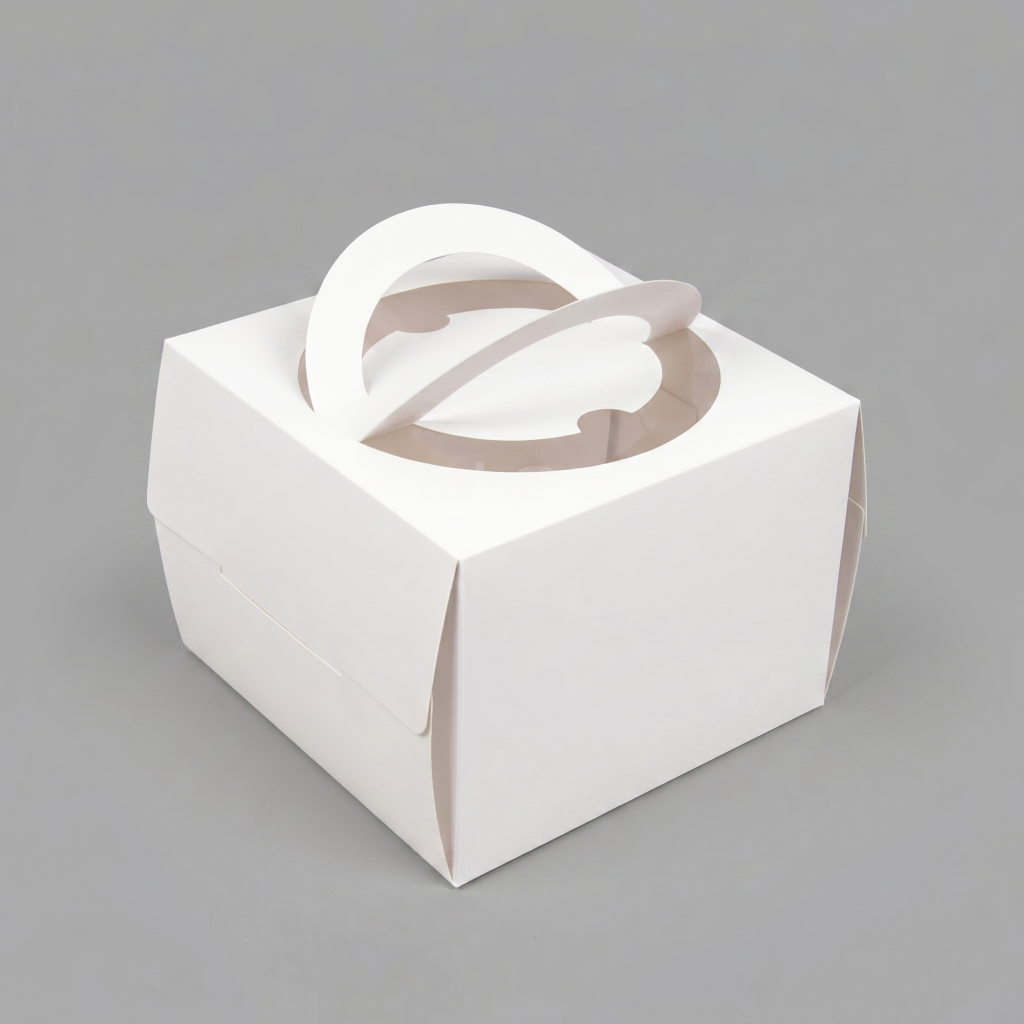
Packaging buyers often compare box styles only by appearance, but the real performance comes from structure. A cake box is more than a folded container; it is a production decision that affects packing speed, shelf presentation, shipping protection, and the customer’s first impression. When the closure style, board grade, insert design, and printing finish work together, this packaging format can reduce assembly friction while making the product feel more intentional and valuable.
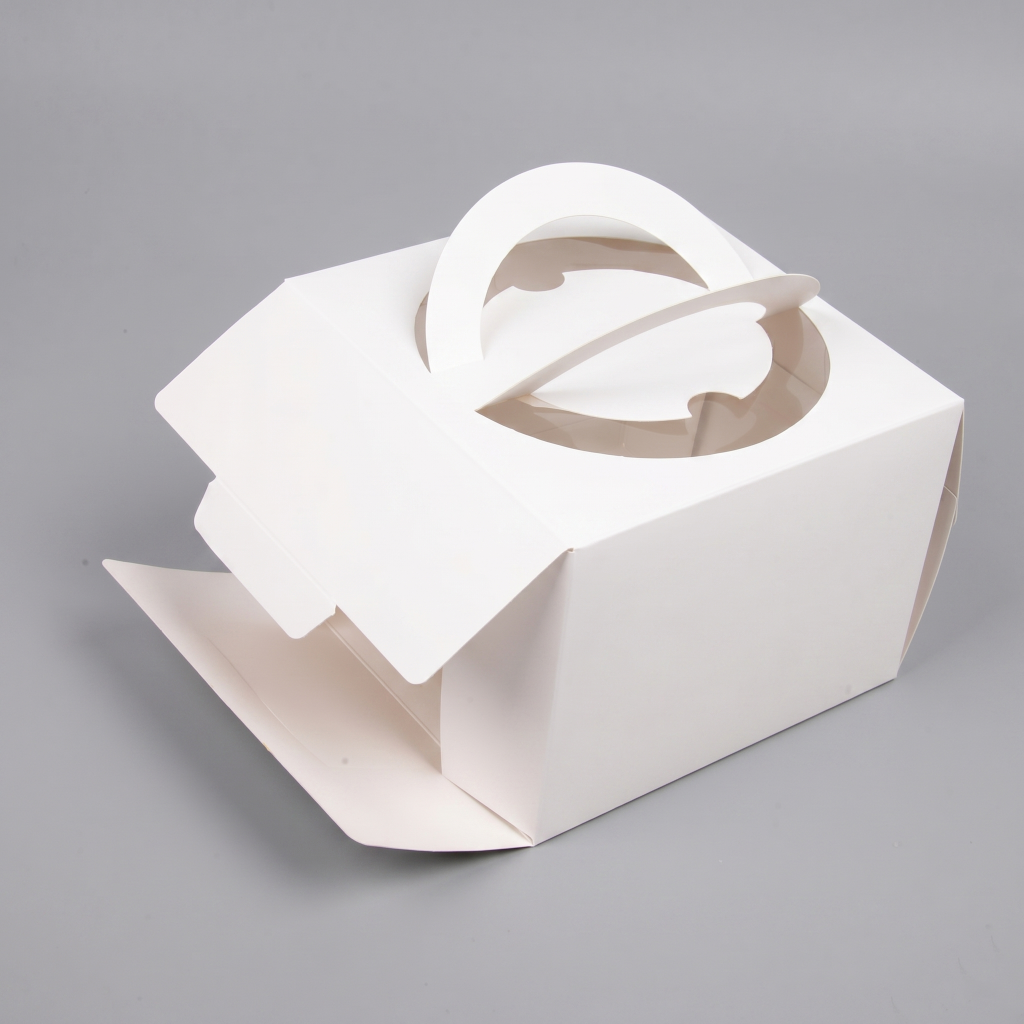
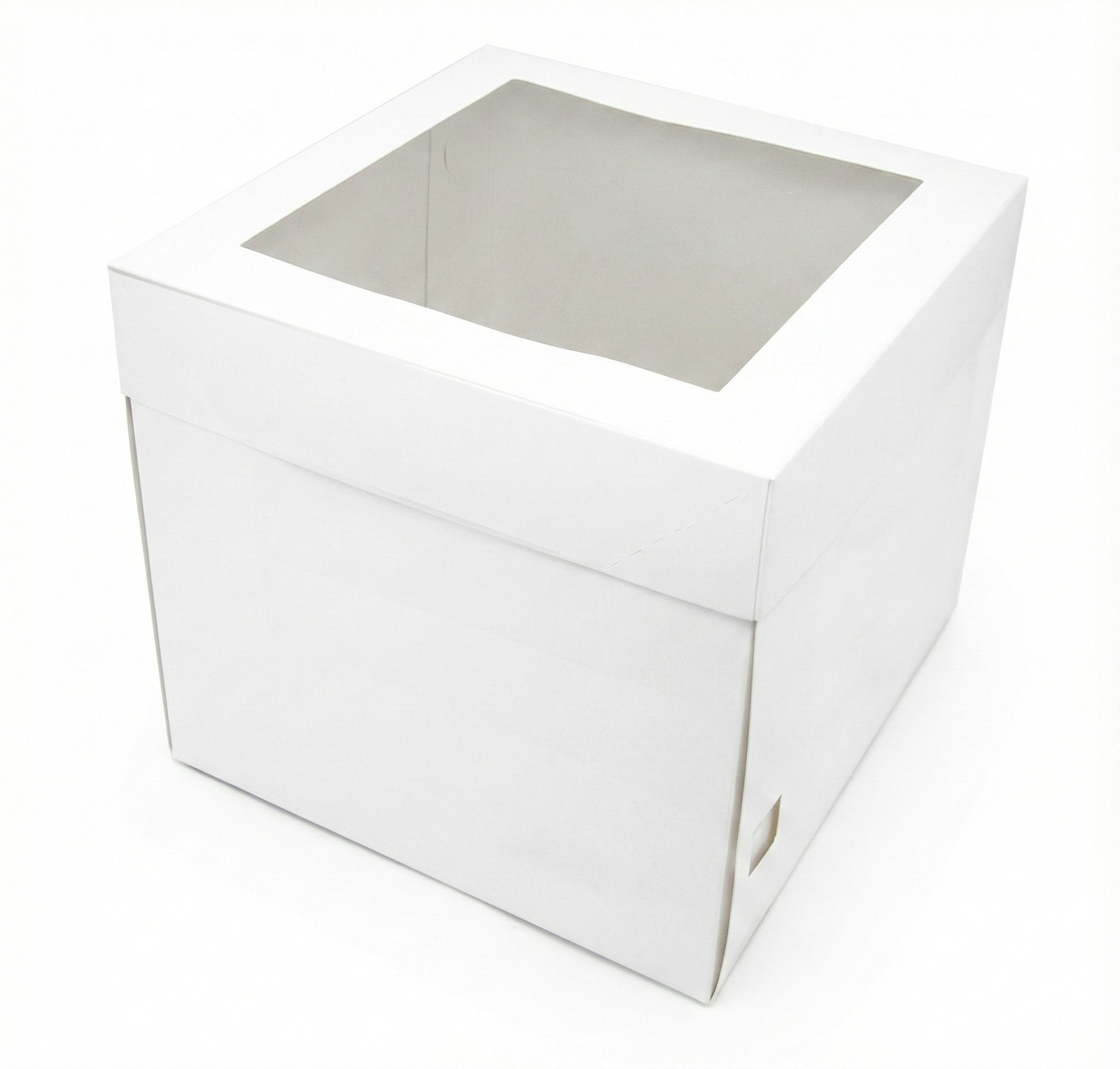
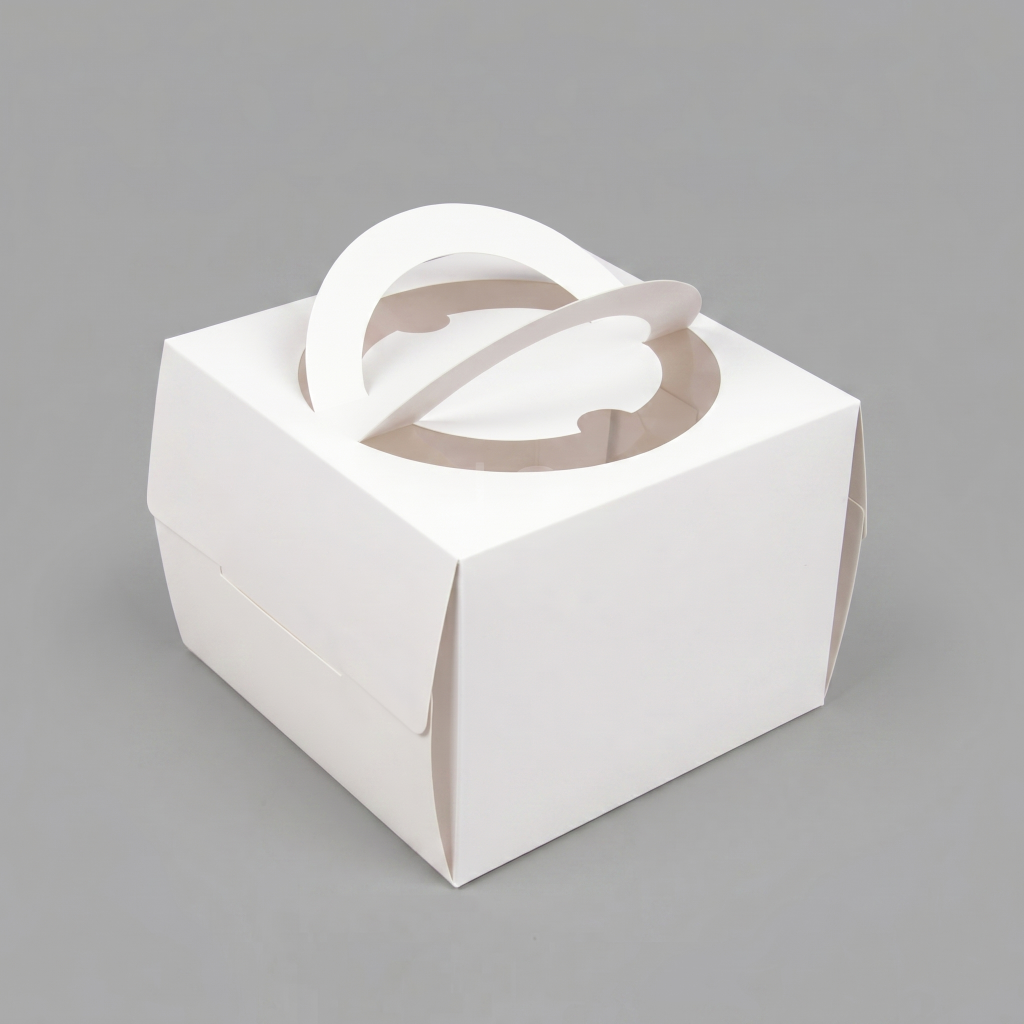
A cake box is a carton or rigid packaging format built around a foldable bakery carton with a broad base, tuck-in side panels, and an integrated handle for short-distance carrying. This structure determines how quickly the box can be erected, how much weight the base can carry, and how cleanly the package opens after printing, die cutting, folding, and gluing. For brands, the benefit is not only protection. The structure also controls how the product is revealed, how the front panel sits on the shelf, and whether the package feels simple, premium, or highly functional.
From a manufacturing perspective, the cake box must be planned around board caliper, grain direction, score depth, glue area, and locking tolerance. These details sound small, but they decide whether cartons run smoothly on a packing line or create delays during hand assembly. The same logic is used across many forms of bakery, where structure, material, and machine compatibility all influence the final user experience.