

Corrugated Box Collapse During Shipping: ECT & Humidity Prevention Guide
Oct 01, 2026

Premium Packaging Solutions

Retail & Food Bags
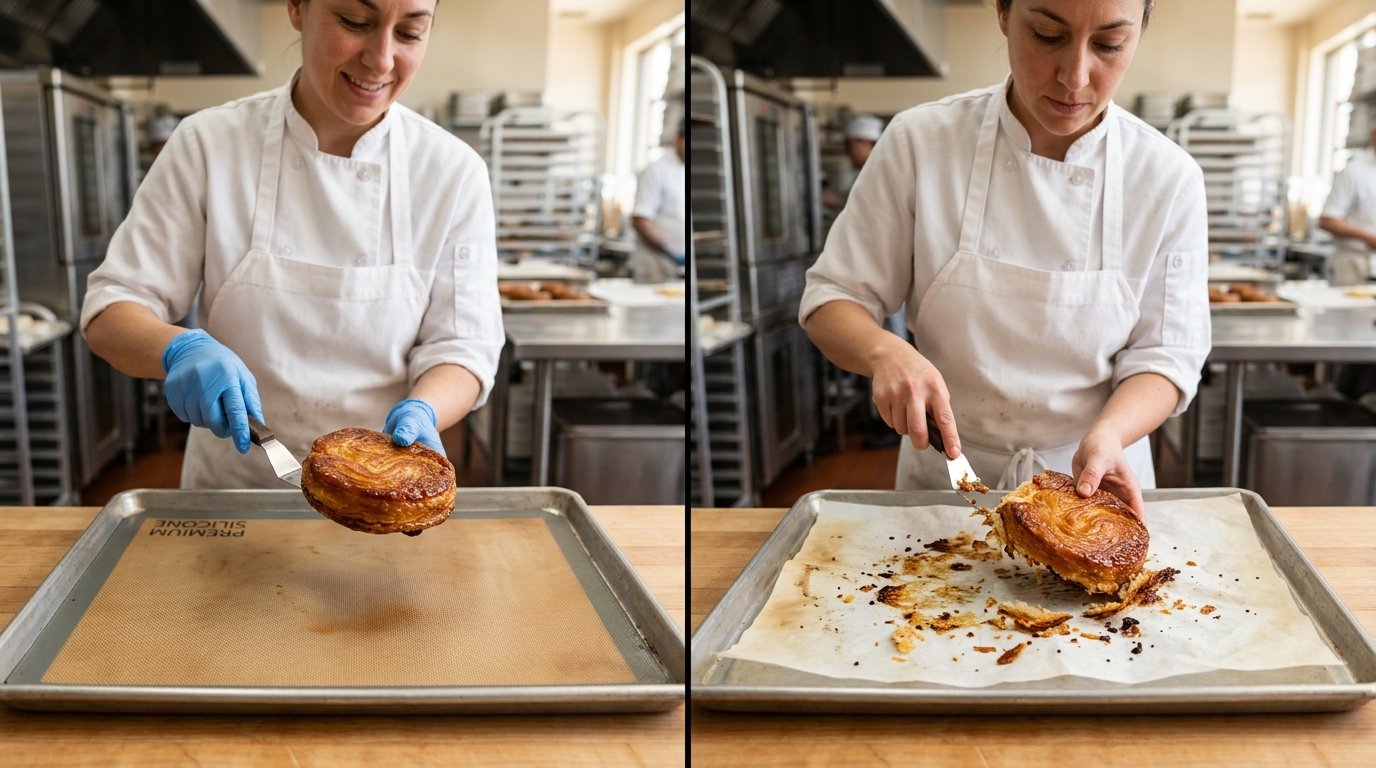
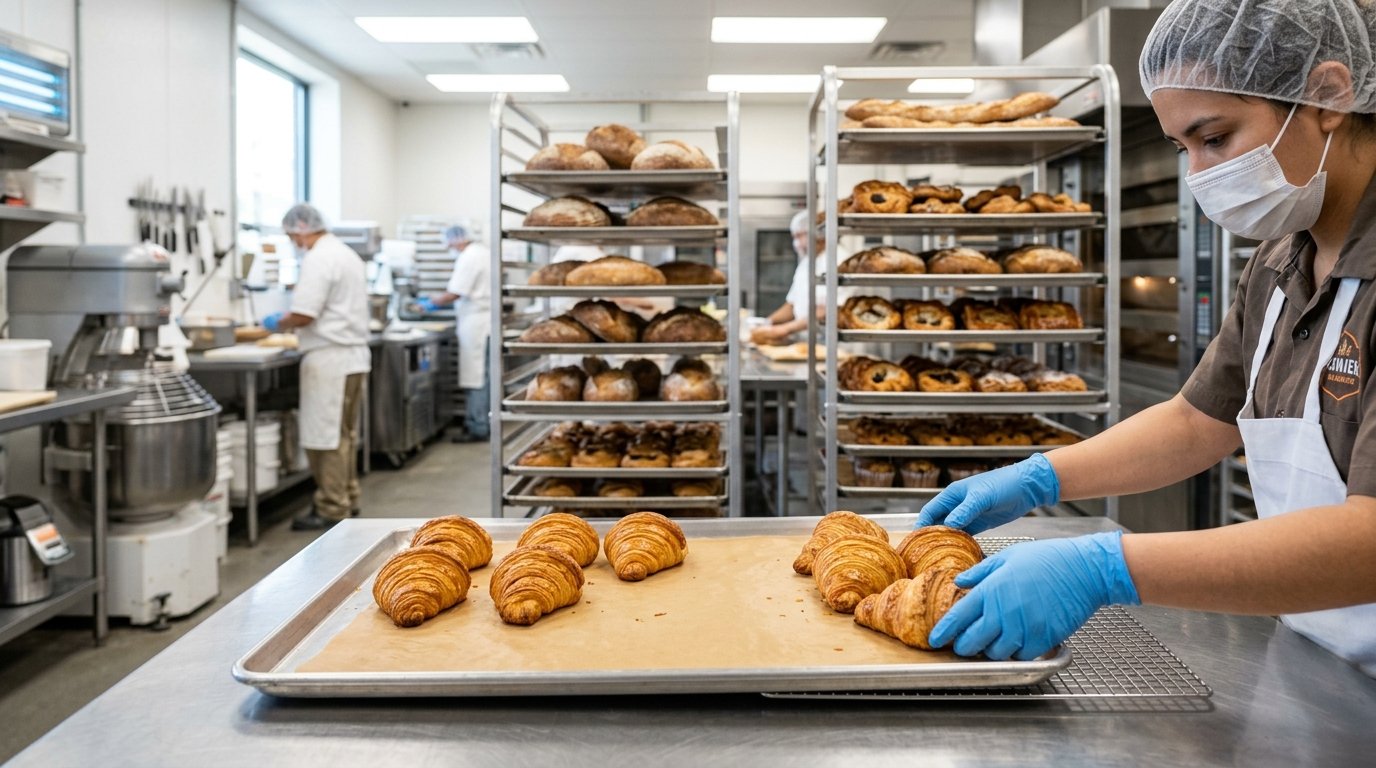
In commercial bakeries and food manufacturing plants, passing the baking paper non stick test under high thermal loads is essential for preventing ruined pastries, wasted ingredients, and production bottlenecks. When a sheet pan of delicate macarons or caramelized pastries fuses directly to the pan liner, operations grind to a halt.
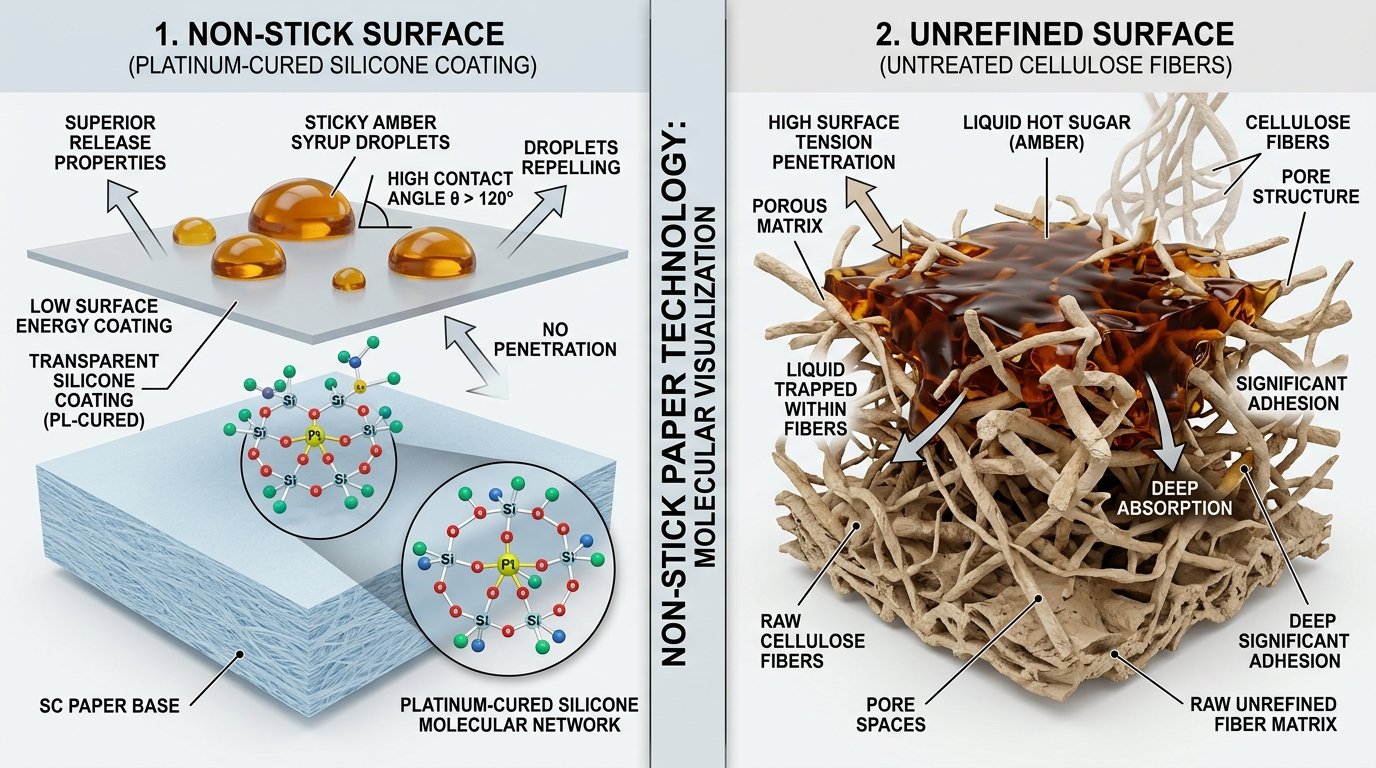
While many buyers assume all greaseproof papers perform identically, conducting an industrial baking paper non stick test reveals stark differences in release chemistry. The difference between baked goods that slide off effortlessly and those that tear comes down to base paper refinement and double-sided silicone cross-linking.
To understand why baked goods bond to paper, we must examine what happens during thermal transfer in an oven operating between 180°C and 220°C (356°F to 428°F).
When dough or batter begins to bake, moisture turns to steam, fats liquify, and sugars undergo caramelization and the Maillard reaction. Molten sugars and hot proteins are powerful natural adhesives. If the surface of the paper has microscopic crevices, unrefined wood fibers, or an uneven release coating, the hot sugar syrup penetrates the cellulose matrix. As the product cools, that molten bond solidifies, fusing the pastry base to the paper fibers.
Cheaper commercial liners fail the baking paper non stick test due to three primary structural deficiencies: