
Corrugated Box Collapse During Shipping: ECT & Humidity Prevention Guide
Oct 01, 2026

Premium Packaging Solutions

Retail & Food Bags
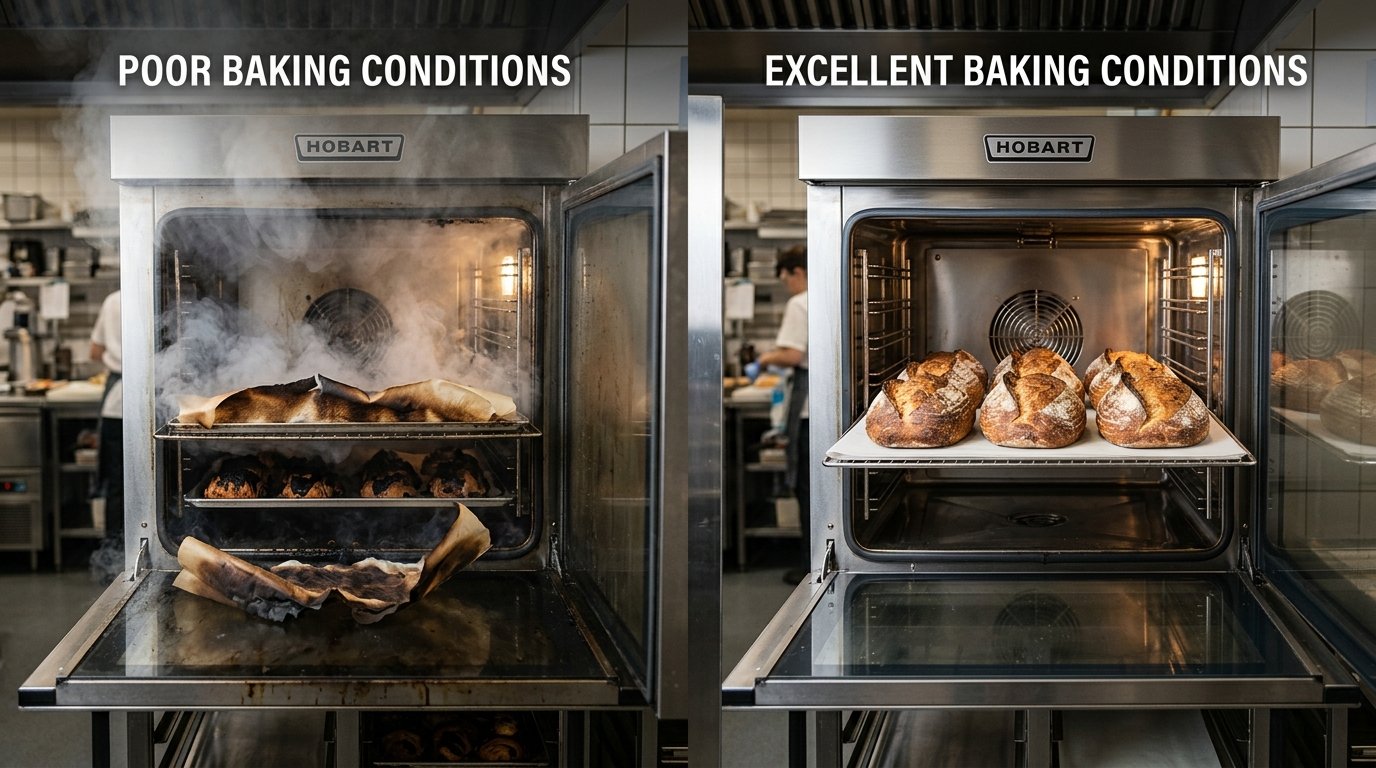
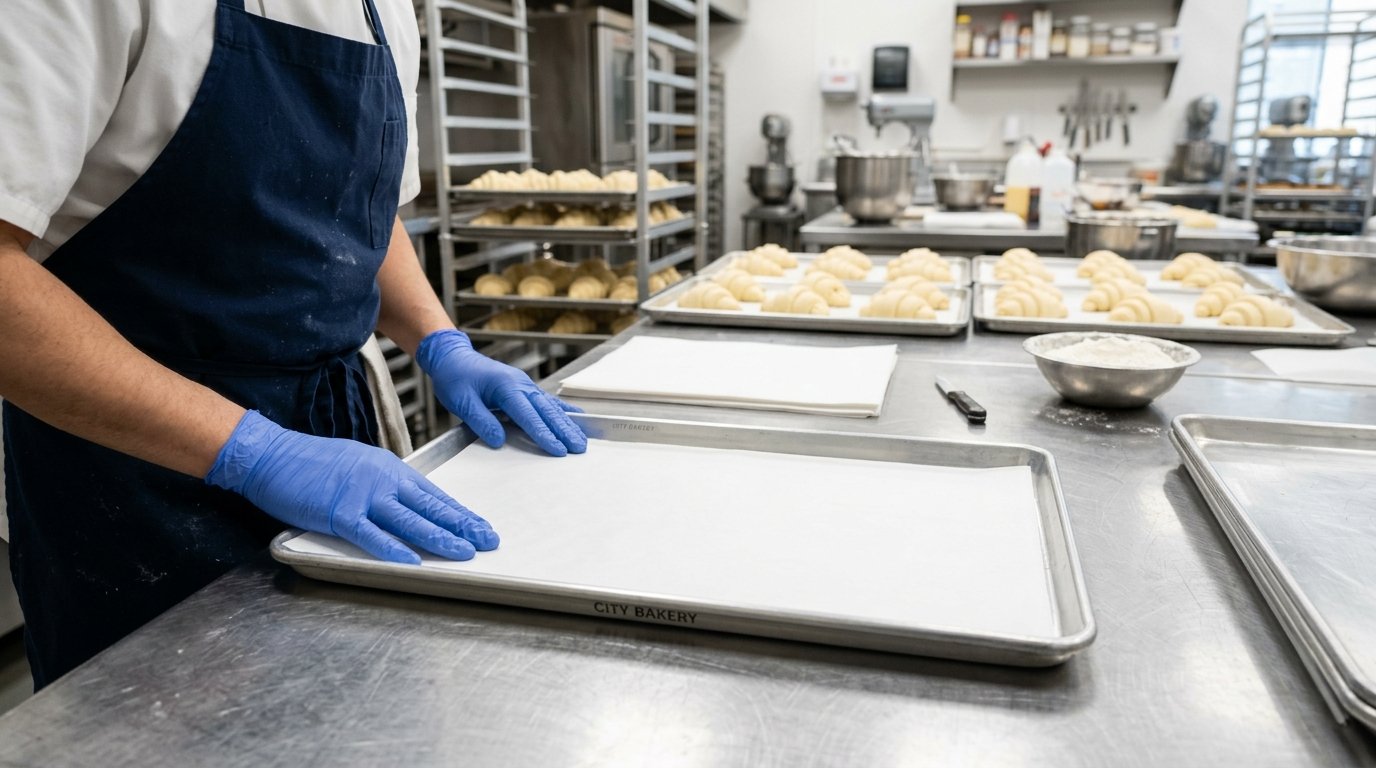
Encountering parchment paper smoking in oven chambers is an alarming operational hazard for commercial bakeries, food franchises, and commercial kitchens. Beyond triggering smoke alarms and halting busy kitchen prep lines, smoking pan liners can impart bitter, acrid off-flavors to delicate pastries and create serious fire hazards.
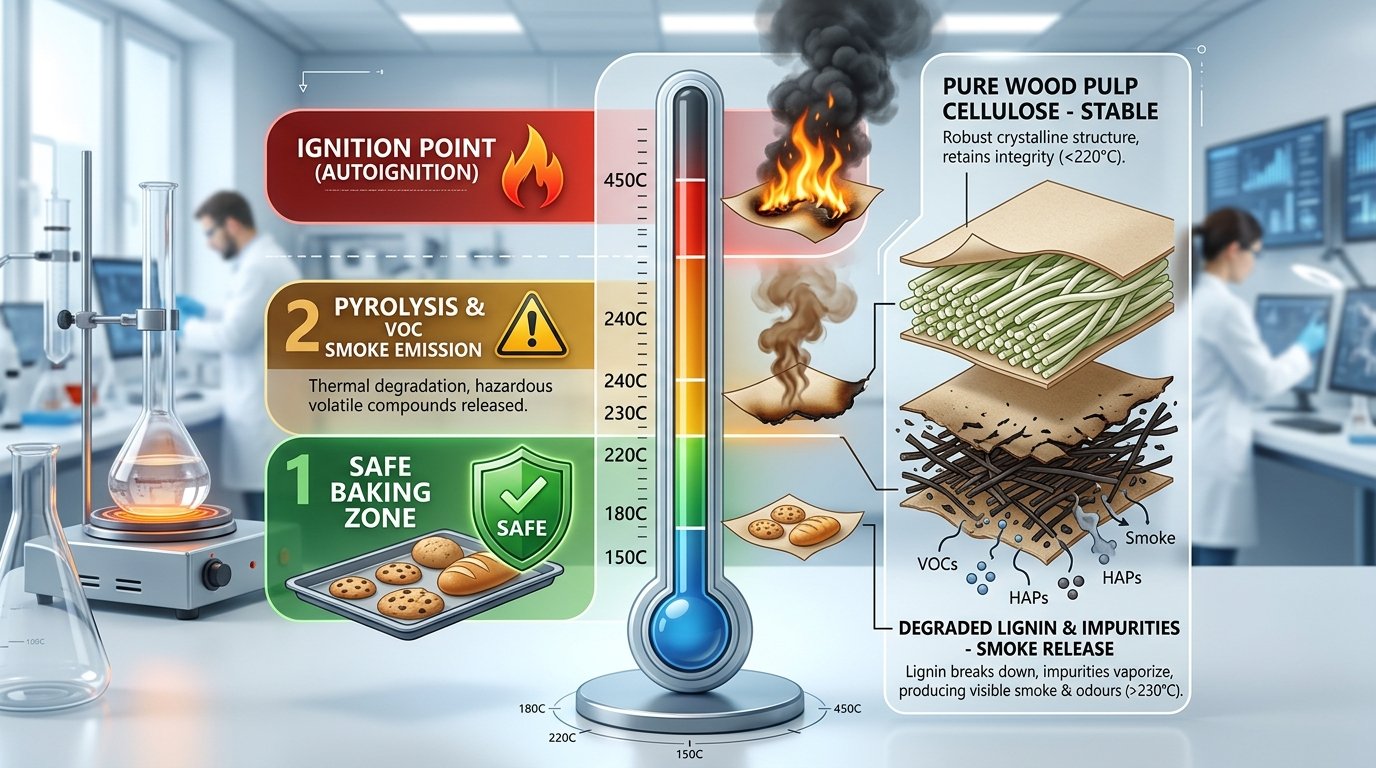
When kitchen managers report parchment paper smoking in oven equipment, the immediate assumption is often that the thermostat was set too high. While exceeding manufacturer heat ratings is a contributing factor, forensic paper science reveals deeper manufacturing defects: pulp impurities, low flash points, and uncrosslinked free silicone oils.
To evaluate baking liner safety, buyers must distinguish between three critical thermal metrics defined in paper converting:
Paper does not need to reach its ignition point to produce smoke. If low-grade pan liners begin smoking at 200°C or 210°C, the paper is experiencing premature thermal decomposition caused by structural defects.